NAM321/6 (50 ov)
 IRE
 AVL
 MNC
 RAY
 ELC
 GMB
 ZMB
 NGA
 LES
 CAG
 BOL
 COMO
 SAS
 FCA
 FCU
 KOE
 S04
 MOZ19
 UGA23/0 (0.5/20 ov, target 20)
 NZ180/5
 IND181/6 (19.5/20 ov, target 181)
 Ipswich1
 Nottm Forest1
 Alavés1
 Málaga1
 WA105/3 (18.5/50 ov, target 372)
 NSW371/8
 DEN
 KUW
 KENYA
 QAT
 SWD-W
 EPR-W
 TTN-W
 WPR-W
 BOR
 WAR15/1 (2.5/20 ov)
 LIONS
 Limpo21/1 (2.5/20 ov)
 NZ-A135/3 (41 ov)
 IND-A113
 DHA293/3 (84.1 ov)
 RAJ
 MYMS
 CHATT
 RAN320/5 (80 ov)
 BAR
 MEX-W
 ARG-W
 UAE
 NED
 PAK
 ENG
 IND-W
 ZIM-W
 AFG170/3 (34.3/50 ov, target 170)
 ZIM169
 CHE0
 DYI0
 CHO1
 QIN0
 HEN1
 BEI0
 LIA1
 ZHE0
 QWC1
 YUN0
 SHX0
 Shanghai Shenh0
 TIG0
 SHP0
 WTT1
 SHT3
 M05
 SVW
 RBL
 ELV
 Torino3
 Monza2
 Brest1
 Nice2
 Stuttgart2
 Gladbach3
 Al Ahli4
 Al Khaleej1

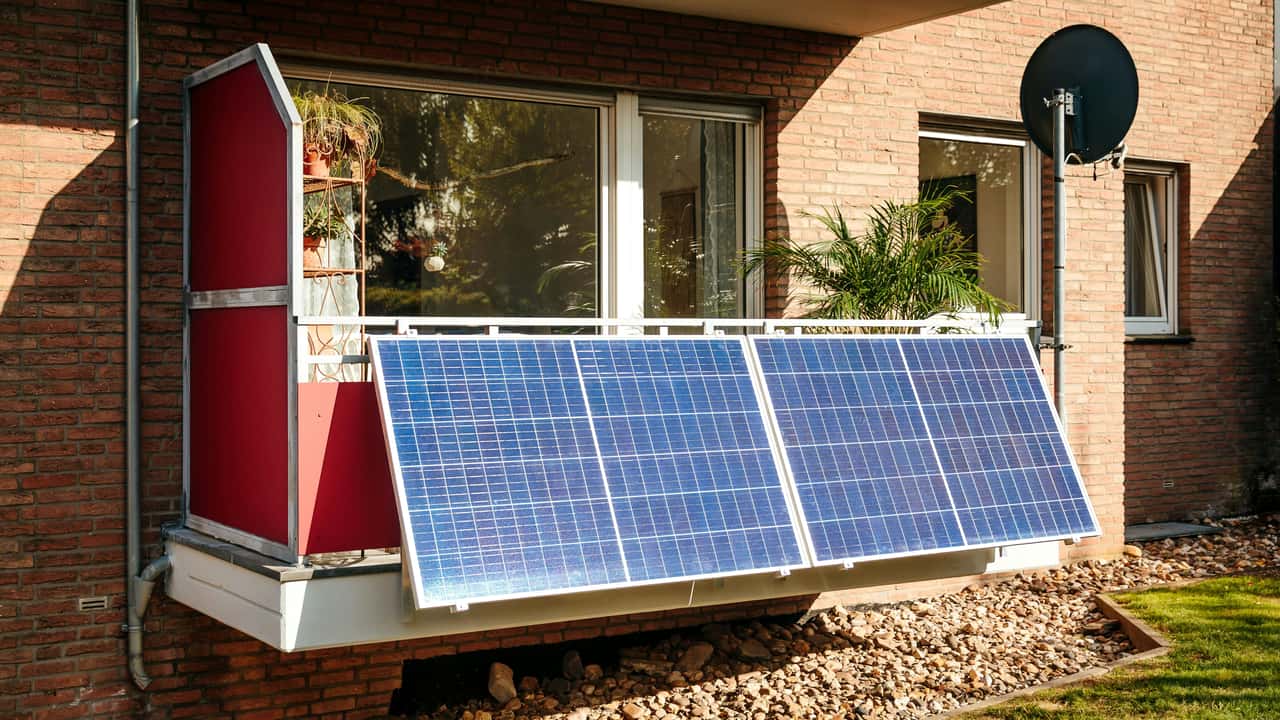
For roughly $600, a renter in New Jersey can now legally slow their electricity meter with a solar panel that plugs straight into a wall socket.
On Thursday, September 4, 2026, the state became one of the first in the US to formally permit plug-in balcony solar panels for residential properties, ending a grey zone that had left apartment dwellers guessing.
The move matters because it opens solar ownership to the millions of Americans who cannot touch a rooftop — renters, condo owners, and anyone whose landlord controls the building.
The Rule That Changed on September 4
Under the new framework, residents are allowed to connect photovoltaic units directly into a standard 120-volt household electrical outlet. No electrician, no roof work, no utility interconnection agreement.
Approval was spearheaded following reviews by the New Jersey Board of Public Utilities, which examined safety and grid-impact questions before clearing the category.
Specifications and pricing cited here are based on early supply-chain and regulatory reports rather than final official announcements, but the direction is unmistakable. > Plug it in, and the meter slows down. That is the entire pitch.
What a Balcony Solar Kit Actually Delivers
The newly permitted kits typically generate between 400 and 800 watts — enough to offset a meaningful slice of a small apartment’s daytime load such as a refrigerator, router, and laptop charging.
Manufacturers like EcoFlow already sell plug-in micro-inverter solar systems designed for exactly this use case, with built-in safety shutoffs that cut power the moment the grid goes down. Here is how the category shapes up as of September 2026:
| Spec | Typical Balcony Kit |
|---|---|
| Output | 400–800 watts |
| Connection | Standard 120V outlet |
| Starting | Around $600 in the US |
| Installation | DIY, no electrician required |
| Key player | EcoFlow micro-inverter systems |
Why Renters Win — and What Germany Learned First
Germany ran this experiment years ago with its beloved “Balkonkraftwerk” balcony power stations, and the results convinced regulators across Europe that plug-in solar is safe, popular, and genuinely useful. The US has lagged because electrical codes treated any grid-tied generation as a professional job. That assumption is what the Garden State has now overturned. The timing is notable, too. While American search trends this week have been dominated by kit reveals — from World Cup 2026: Germany’s fan initiatives to the Servotech Siliguri Strikers Unveil their new look and Apollo Tyres Becomes Team India’s sponsor show how fast consumer categories can scale once a market opens.
What Comes Next for Balcony Solar
Watch three things from here. First, whether major retailers begin stocking certified plug-in kits for the US market at scale, since availability currently leans on importers and direct-to-consumer brands.
Second, how utilities handle net metering for these micro-systems, because export rules determine how much value a 400W panel actually returns. Third, whether neighbouring states copy the framework — New York and California regulators have watched the German model closely, and a working template next door tends to accelerate decisions.
For now, the practical advice is simple: if you rent in the state and have a sunny balcony, wait for UL-certified kits to hit shelves, confirm your landlord’s blessing, and start small.
The bigger story is this — New Jersey just proved that solar access no longer requires owning a roof, and every other state will feel pressure to follow.
Related Articles
- IPL 2026 KKR New Jersey Unveiled: Purple, Gold & the 'Lines of…
- New York AI Ban Shocks Educators Across Primary Schools
- World Labs Atlas Unveils Single AI Model for 3D Worlds in 2025
FAQs
Do balcony solar panels really plug into a normal wall outlet?
Yes. The legislation explicitly allows photovoltaic units to connect to a standard 120-volt household outlet, with micro-inverters managing the flow safely. How much electricity does a 400–800W kit produce? Output depends on sunlight, but a kit in this range can offset a meaningful share of a small apartment’s daytime consumption, such as refrigeration and device charging.
Do renters need landlord permission? The law legalizes the technology for residential properties, but renters should still confirm building rules before mounting anything on a shared balcony. How much does a starter kit cost?
Was this article helpful?
Your feedback directly improves future articles on this site.