
 SA329 (82.3 ov)
 AUS
 ROMA1
 CAG1
 TOR0
 COMO0
 ALS3
 HIL1
 BRD1
 PET0
 FLE0
 ARS0
 BAN
 WI
 IND-W
 ZIM-W
 GOA
 SC Delhi
 Milan
 Bologna
 Parma
 Udinese
 Venezia
 Inter Milan
 Genoa
 Juventus
 Monza
 Napoli
 SAS2
 LAZ6
 AFG177
 ZIM140 (19.1/20 ov, target 178)
 ABH0
 ALF1
 PAK110
 SL114/2 (18.1/50 ov, target 111)
 SIKM184
 NAGA187 & 46/4 (34 ov)
 JHK131/4 (47 ov)
 DELHI515/5d
 ODSA194
 SVCS13/0 (5 ov)
 BRODA616
 J & K6/0 (4 ov)
 CHD685/5d
 HP49/0 (14 ov)
 CGR216/8 (95 ov)
 AP231
 HYD193/2 (54 ov)
 PNJB431
 KNTKA297/7 (95 ov)
 TPURA194
 KER101/6 (35 ov)
 BENG350
 MAHA278/9 (100 ov)
 GUJ223
 MNPR364
 ARP111 & 95/2 (36 ov)
 UAE
 OMA
 ENG
 AUCK
 CANT
 CD
 ND
 DEN
 QAT
 KENYA
 KUW
 NAM316/7
 IRE253 (44.5/50 ov, target 317)
 NZ198/3
 IND199/4 (13.2/20 ov, target 199)
 NED371/5
 JAB113 (19.3/20 ov, target 133)
 KAY132/9
 EXC1
 ADO1
 SES2
 ESP2
 BEN1
 CAT0
 SHO0
 ALH1
 UDC0
 ALM0
 ALC0
 LPA0
 TORD2
 MIR0
 Gamba Osaka
 Buriram
 Kashima
 Pohang Steelers
 Sevilla2
 Osasuna0
 PSG2
 Lyon0
 Mohun Bagan1
 Chennaiyin0
 SAA2
 EST0

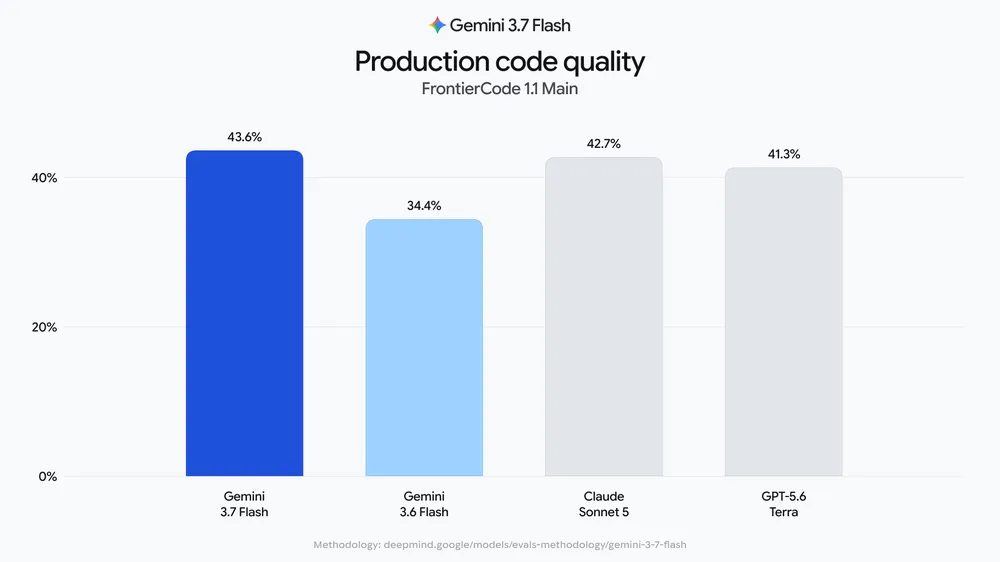
Until today, getting real work done with Gemini often meant carefully prompting, re-prompting, and juggling multiple steps across apps—especially when tasks weren’t strictly “chat-style.” On Friday, August 14, 2026, Google officially released Gemini 3.7 Flash, and it arrived with a new Spark agent designed to push beyond conversation into automated, user-task execution for everyday chores.
1) The before: fast chat, slower “done-for-you” workflows
Before Gemini 3.7 Flash, many users treated Google’s Gemini as an assistant for drafting, explaining, and brainstorming. When the next step required action—moving between calendars, gene.
That meant chores stayed fragmented. You might ask Gemini to outline what to do, but you still had to execute the steps in the real world—manually. Worth noting: the moment you jumped from “text output” to “task completion,” the product’s value swung on how reliably it could plan, act, and recover when details changed.
2) The catalyst: Gemini 3.7 Flash + Spark agent launch
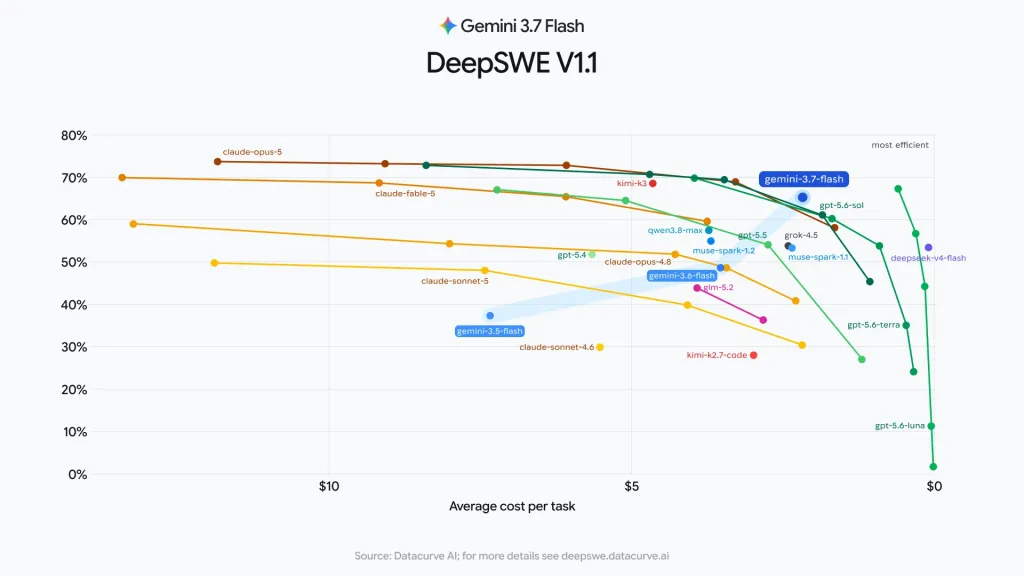
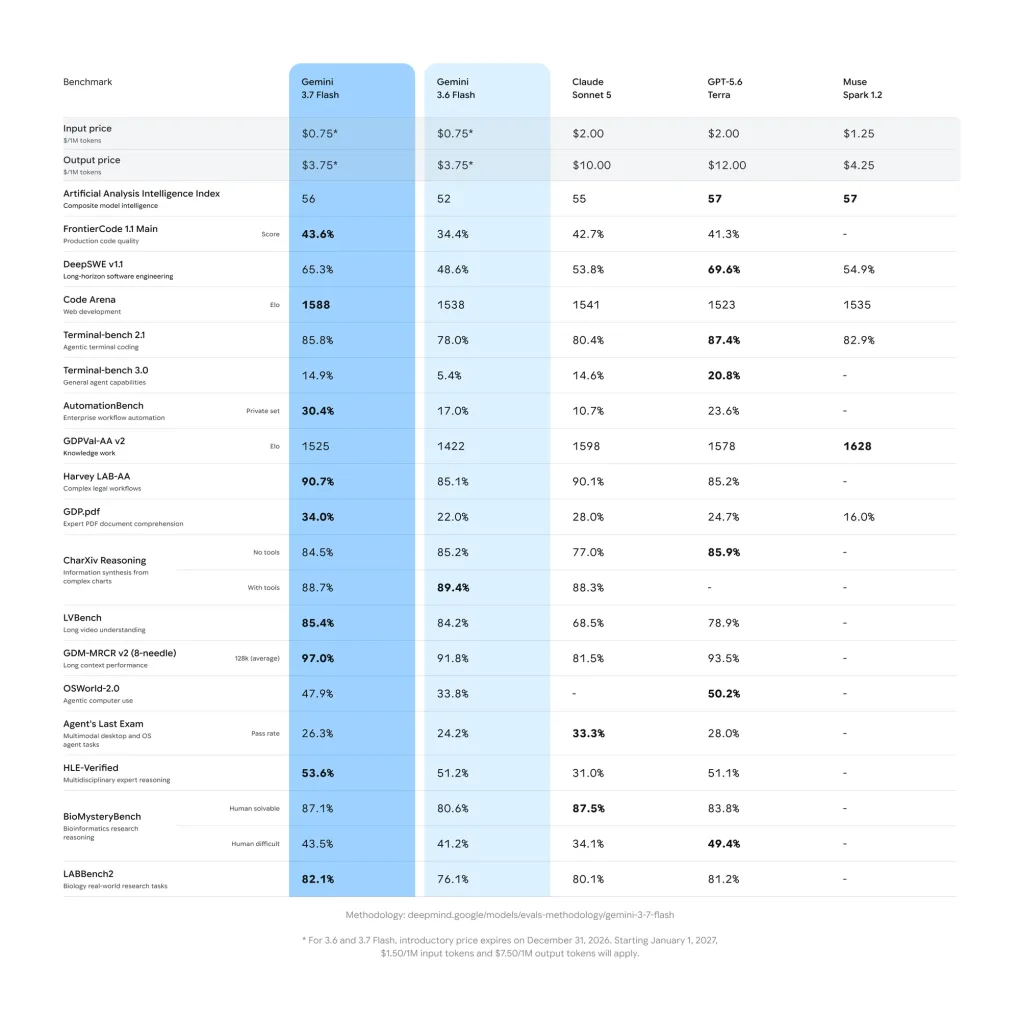
Google’s Gemini 3.7 Flash release on August 14, 2026 signals a clear product direction: quicker model performance paired with an agent that can take action. Alongside the model, Google introduced the Spark agent specifically to handle automated user chores and tasks—so users can convert intent into outcomes more directly.
Here’s the thing: this is less about raw speed alone and more about what a “Flash” model enables when paired with an agent layer. A faster model can iterate on plans, handle short back-and-forths efficiently, and keep the user experience feeling responsive—while the Spark agent focuses on turning plans into actions.
3) The after: chore automation with Spark, not just answers
After the launch, the practical expectation shifts. Instead of treating Gemini as a tool that helps you write the next message, the Spark agent is positioned to support routine task completion in a more automated flow. That includes the kind of chores people routinely start, pause, and revisit: reminders, follow-ups, checklists, and multi-step “do-this-then-that” routines.
However, chores aren’t one-size-fits-all. The real test for Spark will be how it handles permissions, context boundaries, and user preferences when tasks involve real-world side effects. If the agent behaves predictably—asking when it must, acting when it can—users get the convenience payoff without losing control.
4) Side-by-side comparison: before vs after
| What you were doing before | What changes with Gemini 3.7 Flash + Spark |
|---|---|
| Gemini helped with drafting and guidance | Spark agent targets automated chore completion |
| Users stitched steps across apps manually | Less step-hopping, more end-to-end intent handling |
| You re-checked details after each prompt | Faster iteration supports smoother multi-step workflows |
| “Chat” felt separate from “action” | Model + agent pairing narrows the gap |
Gemini Flash: Worth noting: Gemini 3.7 Flash is the engine, but Spark is the steering wheel—so value comes from the combination, not either piece alone. Stay tuned for more on Google.
5) Context: why this matters for everyday AI use (and how rivals fit)
The broader AI story has been consistent: people don’t just want better responses; they want fewer manual interruptions. That’s why agent features have become the center of attention across the industry, from consumer assistants to developer platforms.
For shoppers and builders in India, the timing also matters. When the agent layer improves, onboarding becomes easier for mainstream users who don’t want to learn “prompt engineering” to get results. And when automation is credible, adoption is more likely to stick—because chores are recurring, not one-time.
6) What’s next: how to choose the right setup when Spark starts doing chores
Google’s release on August 14, 2026 sets up a practical decision for users: do you want to stay in “assistant mode,” or move into “agent mode” for recurring tasks? If you mostly need writing, summarizing, and planning, you may still prefer a classic chat workflow. If your pain is the manual back-and-forth—starting chores, then switching apps, then remembering what’s pending—Spark is aimed squarely at that gap.
That said, you should keep expectations disciplined at first: start with low-risk chores, confirm what actions the agent will take, and watch for preference handling. If you want automation that feels fast and less fragmented, pick Spark for routine tasks. If you only need help producing content or structured ideas, stick with Gemini as a chat-first assistant.
Related Articles
- Google takes on AirTag with the new Pixel Tag: $29
- Ryanair Google Cloud AI deal 2026: five-year plan + fallback
- How to Watch Google Pixel 11 Launch Live Today (Aug 2026)
FAQs
What is Gemini 3.7 Flash?
Gemini 3.7 Flash is Google’s newly released Gemini model that launched Friday, August 14, 2026, positioned for faster assistant experiences.
What is the Spark agent?
The Spark agent was introduced alongside Gemini 3.7 Flash to help automate user chores and tasks, focusing on action rather than just conversation.
Will Spark replace Chat with Gemini?
Not necessarily. Spark is designed for chore automation, while Gemini can still be useful for explanation, drafting, and planning—so many users may use both modes depending on the task.
Where does this fit in Google’s broader AI strategy?
The move reflects a shift from “answers only” to agent-driven workflows, consistent with how major tech outlets have covered the industry’s focus on task performance.
Was this article helpful?
Your feedback directly improves future articles on this site.


