NZ113/3 (14.4 ov)
 IND
 NAM321/6
 IRE208/5 (37.3/50 ov, target 322)
 MEX-W
 ARG-W
 ARS
 EVE
 COV
 FUL
 OFC
 NEU
 NEOM
 ABH
 RAC
 ESP
 KHO
 ETT
 NAP
 ROMA
 MOZ19
 UGA23/0 (0.5/20 ov, target 20)
 Ipswich1
 Nottm Forest1
 Alavés1
 Málaga1
 Torino3
 Monza2
 KENYA
 QAT
 SWD-W
 EPR-W
 TTN-W
 WPR-W
 BOR135/3 (18/20 ov, target 137)
 WAR136/8
 NZ-A135/3 (41 ov)
 IND-A113
 DHA293/3 (84.1 ov)
 RAJ
 MYMS299/4 (87 ov)
 CHATT
 RAN320/5 (80 ov)
 BAR
 SYL
 KHU
 UAE
 NED
 PAK
 ENG
 IND-W
 ZIM-W
 GMB
 LES
 ZMB
 NGA
 AFG170/3 (34.3/50 ov, target 170)
 ZIM169
 CHE
 TOT
 Brest1
 Nice2
 Stuttgart2
 Gladbach3
 Al Ahli4
 Al Khaleej1

MacBook Air Supply Shortage: As of August 2, 2026, Apple is experiencing significant supply shortages of the MacBook Air globally. These shortages stem from a growing bottleneck in semiconductor memory. Current delivery delays come from leaks and supply-chain reports, and Apple hasn’t officially confirmed this yet.
Shipping estimates for customized configurations have slipped by three to five weeks in key markets like North America, Europe, and India. This inventory squeeze follows Apple’s Q3 2026 earnings report, which showed a revenue of $109.4 billion, highlighting strong hardware demand that current component supplies are struggling to meet.
Supply Shortages Impacting MacBook Air
Recent reports on supply chain disruptions
Assembly plants in East Asia are 9to5Mac reporting that DRAM fabricators are reallocating silicon wafers toward high-bandwidth memory modules used in data centers. Meanwhile, inventory is running low at primary distributor hubs, leading third-party stores to list extended backorders for standard consumer models.
Consumer laptops now find themselves competing directly with server hardware for basic memory dies. The unexpected shortage of high-density LPDDR5X chips has left consumer lines without critical RAM packages, forcing manufacturing lines to slow down their assembly schedules.
Apple’s response to the shortages
To ensure steady shipments of high-margin devices, production lines are prioritizing the M3 and M4 MacBook Pro series instead of entry-level machines. Standard configurations with 8GB RAM memory face the longest fulfillment delays because manufacturers are conserving available packaging substrates. Regional distribution centers in India are reporting decreased shipments of popular color variants, which delays scheduled retail restocks until late September.
In response, Apple is collaborating with secondary fabrication partners to secure more memory allocation. Hardware teams are reassessing batch schedules to ensure deliveries for educational channels remain prioritized, especially with the back-to-school shopping season approaching.
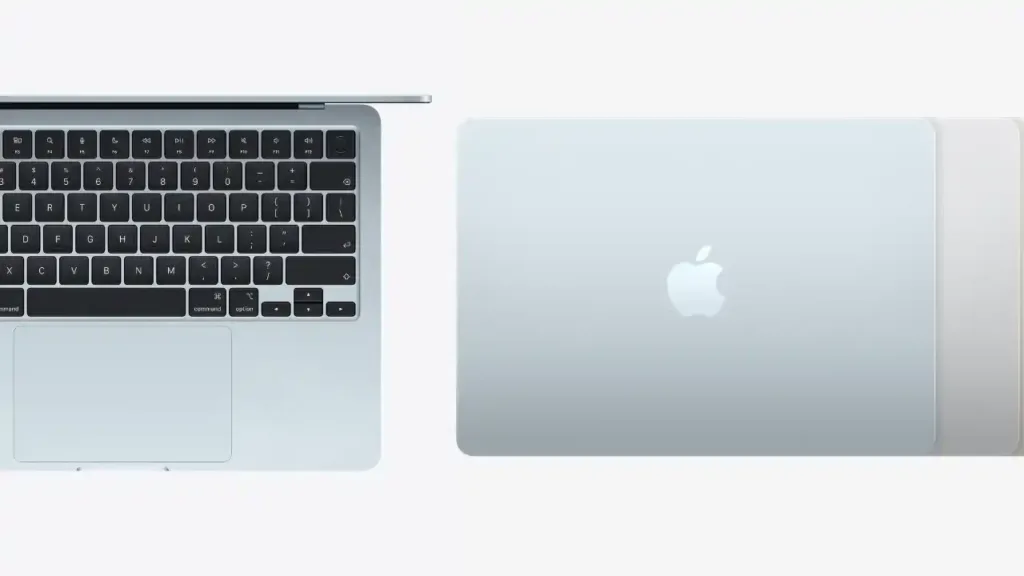
Causes of the AI-Driven Memory Crisis
Key components affected by the crisis
The main issue arises from massive infrastructure build-outs by major cloud providers and AI labs. Wafer fabrication plants owned by Samsung, SK Hynix, and Micron have shifted their cleanroom capacity toward high-bandwidth memory (HBM3e and HBM4) needed for advanced neural processors. Recent The Verge technology reporting highlights that this structural shift has reduced the output of standard LPDDR memory across the personal computing sector.
| Component Type | Primary Target Application | Market Availability (Q3 2026) | Estimated |
|---|---|---|---|
| HBM3e / HBM4 | AI Data Centre Accelerators | High Demand / Priority | +35% Enterprise |
| LPDDR5X (Unified RAM) | Thin-and-Light Laptops | Constrained Supply | +18% Wholesale |
| Standard DDR5 SODIMM | Desktop & Workstation PCs | Moderate Availability | +8% Retail |
This supply crunch is reminiscent of the semiconductor bottlenecks during the 2020 to 2021 global trade disruptions. But unlike earlier shortages caused by logistics backlogs and automotive chips, this current issue is purely structural. Now, consumer PC lines must outbid profitable enterprise AI server orders just to secure DRAM capacity. Stay tuned for more updates on the macbook air.