NZ
 IND
 NAM
 IRE
 MOZ
 UGA
 Aston Villa
 Man City
 Rayo
 Elche
 GMB
 ZMB
 NGA
 LES
 Cagliari
 Bologna
 IPS1
 NFO1
 ALA1
 MCF1
 TOR3
 MON2
 BRE1
 NICE2
 TAS67/4 (15.4/50 ov, target 305)
 VIC304/7
 NZ-A135/3 (41 ov)
 IND-A113
 DHA
 RAJ
 MYMS
 CHATT
 RAN
 BAR
 SYL
 KHU
 UAE
 NED
 PAK
 ENG
 IND-W
 ZIM-W
 AFG170/3 (34.3/50 ov, target 170)
 ZIM169
 DOLPH56/0 (3.5/8 ov, target 56)
 SWD51/4 (8/8 ov)
 WSW1
 BRI1
 Como
 Sassuolo
 Augsburg
 Union Berlin
 Cologne
 Schalke
 Mainz
 Bremen
 RB Leipzig
 Elversberg
 VFB2
 BMG3
 AHL4
 KHA1

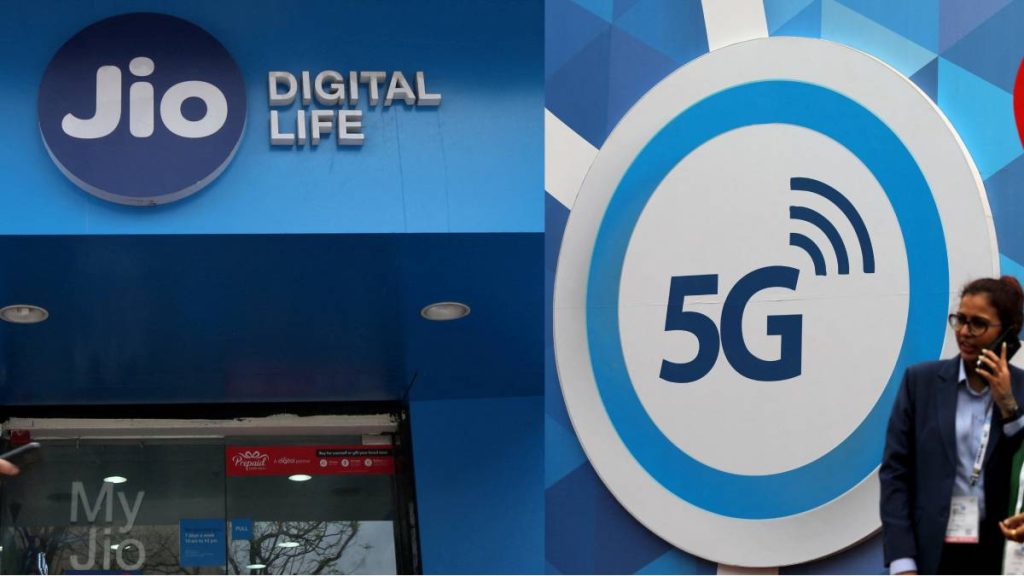
Reliance Jio’s global 6G strategy is set to reshape how Indian infrastructure providers impact international connectivity standards. This company, part of Reliance Industries Limited and led by Mukesh Ambani, shared its roadmap at the World Telecommunication Standardization Assembly in May 2026.
While we don’t have confirmed technical specs, frequency bands, or deployment timelines just yet, this move marks a bold shift toward defining the next generation of mobile networking on a worldwide level.
People remember Jio’s commercial launch of its 4G network in September 2016 in India, which drastically changed the country’s digital landscape. Following that, Jio announced plans to roll out 5G services starting in October 2022, beginning with select cities.
By evolving from a local disruptor to a global player in 6G standardization, Reliance Jio aims to shake off the “follower” label and position itself as a key architect in future telecommunications.
Technical Ambitions and Global Standardization
The International Telecommunication Union (ITU) oversees global 6G standardization, targeting commercial goals around 2030. Jio’s presence at the World Telecommunication Standardization Assembly suggests the operator is aligning its R&D efforts with these international standards.
This is a strategic move to ensure that Indian-developed intellectual property is integrated into the foundational structure of the 6G ecosystem.
This ambition rests on a solid historical foundation. Back in 2020, Jio Platforms raised ₹1.52 lakh crore (around $20 billion USD) from global investors, including Google and Meta. These funds have played a crucial role in helping the company shift from a traditional telecom operator to a deep-tech powerhouse, according to recent reports by TechCrunch.
Additionally, the Indian Department of Telecommunications (DoT) has provided regulatory support by allocating specific research funding as outlined in the Bharat 6G Vision document released in March 2023.
Competitive Landscape and Future Outlook
Reliance Jio built its reputation on low-cost, mass-market 4G deployment. Now, the company is setting its sights on leading the high-end innovation needed for 6G. Some critics might say Jio’s focus is still too domestic. Still, its global expansion in R&D clearly counters those concerns.
The company is no longer just selling data; it’s also providing the infrastructure that will drive the next decade of industrial automation and low-latency communication.
| Milestone | Year | Impact |
|---|---|---|
| 4G Commercial Launch | 2016 | Massive digital inclusion in India |
| 5G Rollout | 2022 | High-speed infrastructure expansion |
| 6G Strategy Unveiling | 2026 | Global influence on standards |
Looking ahead, the focus will shift from high-level talks to actual testing. As the DoT pushes the Bharat 6G Vision, it is likely to pilot proprietary testbeds to validate its 6G concepts, as reported by The Verge.
Success will hinge on whether they can keep pace with the innovation established by global players while navigating the complex regulatory requirements of international markets.
FAQs
What is the expected timeline for 6G commercial deployment?
The International Telecommunication Union (ITU) currently targets a commercial rollout of 6G technology around 2030.
How is Reliance Jio funding its 6G research?
Jio combines internal R&D with substantial capital raised from global investors like Google and Meta, along with government support through the Bharat 6G Vision.
Has Reliance Jio released specific technical specs for 6G?
Not yet. While the company presented its strategy at the 2026 World Telecommunication Standardization Assembly, specific technical specs, frequency bands, and deployment timelines are still unconfirmed.
When does Reliance Jio plan to implement its 6G strategy?
Reliance Jio plans to carry out its global 6G strategy in line with the 2026 roadmap presented at the World Telecommunication Standardization Assembly (WTSA).
Why is Reliance Jio participating in the World Telecommunication Standardization Assembly?
Reliance Jio wants to participate in the World Telecommunication Standardization Assembly to influence international standards and establish itself as a leader in developing 6G mobile connectivity.