NZ
 IND
 NAM
 IRE
 MOZ
 UGA
 Aston Villa
 Man City
 Rayo
 Elche
 GMB
 ZMB
 NGA
 LES
 Cagliari
 Bologna
 IPS1
 NFO1
 ALA1
 MCF1
 TOR3
 MON2
 BRE1
 NICE2
 TAS103/5 (20.2/35 ov, target 276)
 VIC304/7 (50 ov)
 WA
 NSW22/1 (4.2/50 ov)
 NZ-A135/3 (41 ov)
 IND-A113
 DHA
 RAJ
 MYMS
 CHATT
 RAN
 BAR
 SYL
 KHU
 MEX-W
 ARG-W
 UAE
 NED
 AFG170/3 (34.3/50 ov, target 170)
 ZIM169
 IND-W200/1 (27.1/50 ov, target 198)
 ZIM-W197
 DOLPH56/0 (3.5/8 ov, target 56)
 SWD51/4 (8/8 ov)
 WSW1
 BRI1
 Como
 Sassuolo
 Augsburg
 Union Berlin
 Cologne
 Schalke
 Mainz
 Bremen
 RB Leipzig
 Elversberg
 VFB2
 BMG3
 AHL4
 KHA1

Coraline has officially earned its crown as the anti-Disney movie that refuses to soften its edges for mainstream comfort. Released in 2009, Henry Selick’s stop-motion masterpiece has spent 17 years quietly dismantling the saccharine fantasy formula, proving that darkness, genuinely unsettling imagery, and moral ambiguity don’t need a studio mandate to captivate audiences. Unlike the house-of-cards optimism that defines Disney’s catalog, Coraline trades false comfort for authentic dread—and audiences keep returning to that cold, unsettling embrace.
Why Coraline Terrifies Where Disney Comforts
It doesn’t whisper reassurance. Instead, it locks you in a parallel dimension where button-eyed parents smile with hollow menace, and every door hides something wrong.
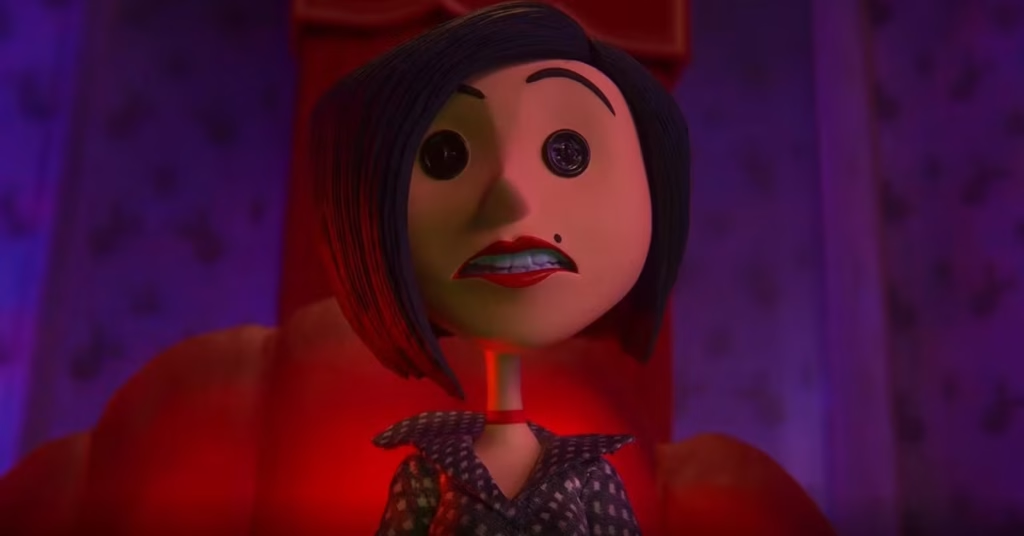
The film’s refusal to sanitize its horror—no redemption arcs for the Other Mother, no last-minute moral epiphanies—stands in direct opposition to Disney’s narrative gospel. Where Disney teaches that love conquers all, this teaches that survival sometimes requires you to sacrifice what you love most. That’s not a children’s film wrapped in darkness. It’s a horror film that respects its young audience’s intelligence enough to leave them genuinely unsettled.
The Visual Language That Sets Coraline Apart
Stop-motion animation becomes a weapon here. Each frame feels tactile, weighted, almost suffocating—button eyes gleam with predatory intent, and the Other World’s color palette shifts from seductive blues and greens to sickly yellows.
Compare this to Disney’s gleaming CGI perfectionism, where even the villains feel designed by committee. This approach’s aesthetic refuses polish. It embraces the uncanny valley, making viewers feel physically uncomfortable in ways that traditional fantasy narratives never attempt. The film doesn’t ask permission to disturb you—it demands your discomfort as the price of entry.
How Coraline Challenges the Fantasy Genre
It strips away the fantasy genre’s safety nets. There’s no chosen one prophecy, no magical bloodline, no destiny. Just a girl who finds a door, makes a choice, and lives with the consequences.
The film’s ending—ambiguous, unsettling, unresolved—refuses the tidy closure that defines mainstream family entertainment. Did she actually escape? Or is she still trapped? The film leaves that question deliberately unanswered, treating viewers as mature enough to sit with uncertainty.
Is Coraline Still Relevant in 2026?
Q: Why does the film still matter 17 years later?
Because it proved that darkness works. Every indie horror-fantasy that’s gained cult status since—from Kubo and the Two Strings to Wendell & Wild—owes a debt to this film’s fearless refusal to compromise. In 2026, as streaming platforms flood feeds with algorithmic comfort content, Coraline remains proof that real artistry demands discomfort.
Q: Is it appropriate for children?
Not all children. The film’s PG rating feels generous—it’s genuinely frightening. But for kids ready to move beyond Disney’s emotional training wheels, this offers something precious: respect for their capacity to handle complexity and fear (according to VentureBeat AI)
Q: Will the film ever get a sequel?
Unlikely. Selick has resisted revival pressures for nearly two decades. The film’s power lies partly in its refusal to be franchised, to be softened for sequels, to become a brand.