CFC0
 GRE0
 FLA2
 CAM1
 NED
 OMA
 NZ
 IND
 NAM
 IRE
 PAK
 SL
 SA
 AUS
 Abha
 Al Faisaly
 AFG
 ZIM
 Sassuolo
 Lazio
 SEV2
 OSA0
 PSG2
 LYON0
 MBSG1
 CFC0
 Barcelona1
 Real Madrid2
 NZ-A317 & 58/3 (18 ov, target 313)
 IND-A113 & 516
 SYL575/4 (167.3 ov)
 KHU
 MYMS465/7d
 CHATT424/6 (121 ov)
 DHA521
 RAJ162 & 215/5 (59.1 ov) (f/o)
 RAN402 & 5/0 (2.3 ov)
 BAR443/9d
 SIKM30/1 (15 ov)
 NAGA187
 JHK
 DELHI309/5 (90 ov)
 ODSA194
 SVCS13/0 (5 ov)
 BRODA259/6 (86 ov)
 J & K
 CHD363/2 (87 ov)
 HP
 CGR35/1 (14 ov)
 AP231
 HYD
 PNJB289/6 (90 ov)
 BAN
 WI
 IND-W
 ZIM-W
 MEX-W51 (12.5/20 ov, target 187)
 ARG-W186/7
 NGA148
 UGA147/9 (20 ov, target 149)
 BRB149/5 (16.2/20 ov, target 148)
 MIS147
 MOW107/9
 TOK111/5 (18.4/20 ov, target 108)
 LUL88/3 (9.5/20 ov, target 88)
 SPR87
 AMG1
 CUI0
 COR0
 LLA0
 TOR1
 HAL1
 MICH0
 WASH1
 ISU0
 BYU1
 JUV1
 NAU0
 BOL0
 UDV0
 AS Roma
 Cagliari
 Torino
 Como
 Daejeon
 Vissel Kobe
 Darul Ta'zim
 Port FC
 Kyoto Sanga
 Newcastle Jets
 Shanghai Port
 Cong An Ha Noi
 Udinese0
 Milan2
 Real Sociedad2
 Levante1

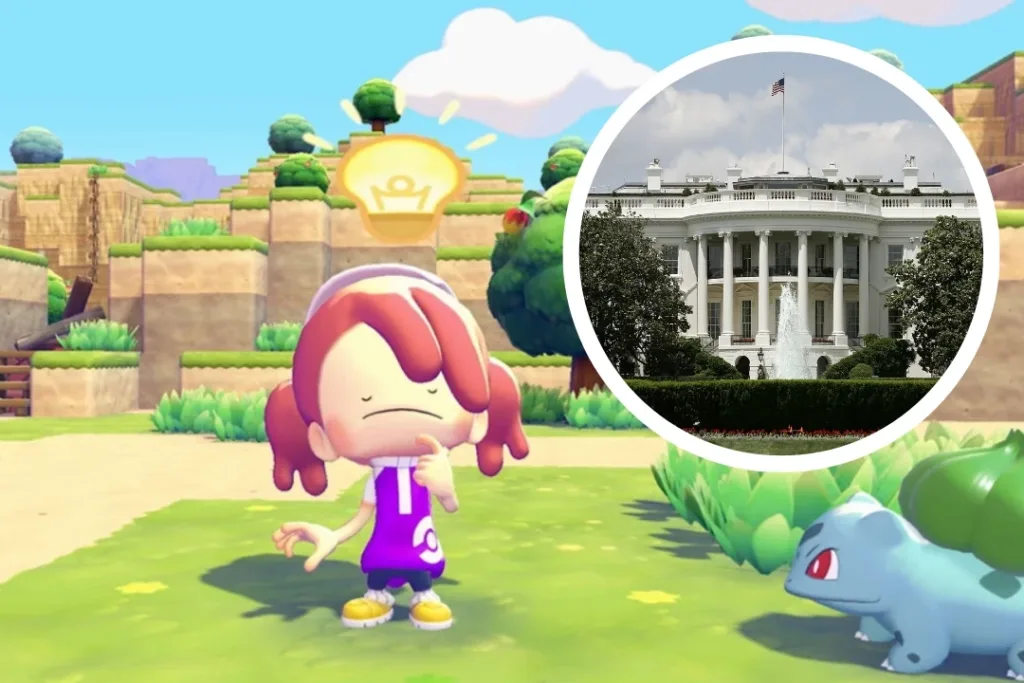
Pokémon Politics just went from the internet to the Oval Office. Nintendo fired back after the White House posted a Pokémon-themed meme with MAGA imagery, and things got real fast. This clash between gaming culture and political messaging shows exactly why brands guard their IP so carefully—especially when memes go viral in unexpected places.
Table of Contents
- The Core Story: Nintendo’s Official Response
- Context & Stakes: Why Brands Care About Political Memes
- How the Gaming Industry Reacted
- People Also Ask
The Core Story: Nintendo’s Official Response
The White House released a Pokémon Politics meme without asking Nintendo first. They used Pokémon characters to push political messaging. Nintendo’s legal team didn’t waste time—they sent a cease-and-desist notice demanding the meme come down immediately.
This wasn’t Nintendo being difficult. It’s how trademark law works. When government agencies use trademarked characters without permission, companies have to respond or risk losing their trademark protections. Let it slide once, and suddenly everyone thinks they can do it. Nintendo made sure that didn’t happen.
The timing matters here too. Political campaigns have started borrowing from pop culture more aggressively to reach younger voters. But using beloved franchises without permission crosses a legal line that Nintendo has defended for decades. The meme itself featured Pokémon characters in MAGA-themed imagery—brand association that Nintendo never signed off on.
Context & Stakes: Why Brands Care About Political Memes
Here’s the thing: when brands don’t protect their IP, they lose it. Unauthorized use—especially political use—damages reputation and weakens trademark value. When government entities use characters for political purposes, it blurs the line between entertainment and endorsement. Nintendo’s response mirrors how The Boys Season 5 explores political messaging in pop culture, where fictional worlds collide with real-world power dynamics.
The White House incident points to a bigger trend: politicians are borrowing entertainment IP for memes. This creates legal problems for everyone involved. Nintendo had to act fast or face a precedent that could encourage future unauthorized use. For more insights, see VentureBeat AI.
How the Gaming Industry Reacted
The gaming world split on Nintendo’s move. Some applauded them for protecting IP standards. Others wondered if a cease-and-desist was overkill for a single meme. Gaming communities debated whether Pokémon Politics had crossed from playful to problematic.
Legal experts pointed out something important: government entities don’t get special treatment. They’re bound by the same trademark laws as everyone else. No exemptions, no exceptions.
The incident opened up broader conversations about IP enforcement in the meme age. Content spreads faster than legal notices travel, and that’s created a real headache for brands trying to protect what’s theirs.
People Also Ask
Did the White House remove the meme?
Yes. The White House took down the Pokémon Politics meme after Nintendo’s cease-and-desist arrived.
Can the government use trademarked characters?
No. Government entities have to follow the same IP laws as everyone else. Fair use has its limits. For more insights, see OpenAI Blog.
Has Nintendo done this before?
Absolutely. Nintendo aggressively protects its IP everywhere—YouTube, social media, you name it.
Why didn’t the White House ask permission first?
That’s what everyone wanted to know. It’s still unclear whether it was an oversight or intentional. For more insights, see MIT Technology Review.
Pokémon Politics proved that even the highest offices aren’t exempt from trademark law. Nintendo’s response sends a clear message: intellectual property matters everywhere, no exceptions.