SAS
 FIO
 ATA
 PAR
 LOR
 BRE
 NEW
 EVE
 DEP
 OSA
 WI-A
 LIONS
 Galatasaray
 Stuttgart
 Shakhtar
 Sporting
 NED183/3 (36/50 ov, target 183)
 OMA182
 Athletic2
 Real Sociedad1
 Juventus2
 Napoli0
 Marseille2
 Toulouse0
 CHR13/1 (2.5/20 ov)
 SPR
 NZ-A424
 IND-A346 & 32/0 (11 ov)
 QLD280
 VIC307 & 136/6 (66 ov)
 SYL218 & 89/2 (38 ov)
 CHATT210
 MYMS108 & 57/2 (14 ov) (f/o)
 KHU288
 DHA
 BAR
 RAN122/3 (39 ov)
 RAJ231
 ASSAM135
 KNTKA180/2 (36 ov)
 MEGHA
 NAGA244/8 (67 ov)
 TPURA219/7 (74.3 ov)
 SAU
 BENG143
 MAHA21/2 (8 ov)
 ODSA
 JHK37/3 (25 ov)
 TOK
 MOW
 BIK
 JAB
 LUL
 POA
 DOLPH
 WPR
 CD
 AUCK
 OTAGO
 CANT
 WELL
 ND
 AFG81/3 (8.1/20 ov, target 80)
 ZIM79
 NAM131/5 (21.2/50 ov, target 130)
 IRE129
 NZ195/3 (18/20 ov, target 192)
 IND191/8
 MS-W109 (18.1/20 ov, target 125)
 PS-W124/9
 Atlético
 Bayern
 Elche0
 Valencia1
 Lecce1
 Genoa2
 Liverpool0
 Arsenal1
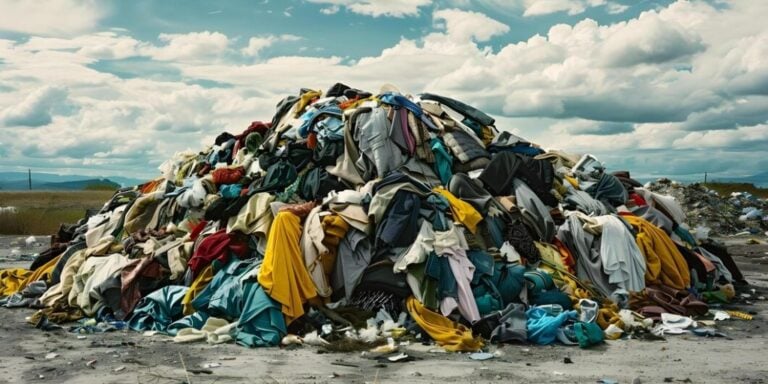
The global fashion industry dumps 92 million tonnes of textile waste annually into landfills. But a crop of material science startups is changing that equation—they’re finally making circular fashion work at scale, both environmentally and financially. Companies like Circ and Renewcell are taking cotton-polyester blends that would’ve ended up in a landfill and converting them into virgin-quality fibres. Major brands including Zara and H&M are already buying these materials at competitive prices. This is the first time sustainable fashion alternatives have actually matched both the quality and cost of conventional textiles.
The Technology Breakthrough Making Recycling Profitable
Here’s the problem that’s plagued textile recycling for years: separating cotton from polyester in blended fabrics destroys the fibres with harsh chemicals. Circ just solved that. The Virginia company uses targeted solvents at controlled temperatures to pull apart polycotton blends without damaging them, recovering both materials at 95% purity. Their first plant opens Q2 2026 and will process 60,000 tonnes annually—that’s roughly 240 million T-shirts.
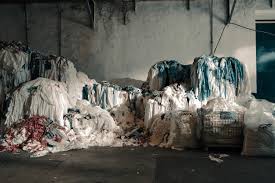
Renewcell, based in Sweden, takes a completely different path. Their Circulose technology turns pure cotton scraps into dissolving pulp, which becomes new viscose and lyocell fibres. When Levi’s tested Circulose in a 2025 denim collection, it performed just as well as virgin cotton denim in washing tests. The price gap has narrowed dramatically too—now it’s only 12% above conventional fibres, down from 40% just two years ago.
Market Adoption and Brand Commitments
Major retailers aren’t running pilot programs anymore. Inditex locked in a five-year deal with Circ worth €200 million, guaranteeing they’ll buy recycled polyester at fixed prices. H&M’s latest sustainability report shows 18% of its cotton now comes from recycled sources—up from 3% in 2024. These companies aren’t doing this for PR. They’re securing their supply chains as virgin cotton prices bounce around with climate-affected harvests.
Fast fashion’s involvement matters most. Shein launched a “Reuse & Recycle” program across 15 countries with drop-off points for garments that get processed by circular economy partners. In the first six months, they collected 4.2 million items. It’s still a tiny fraction of what they sell, but it’s the first time they’ve built the reverse logistics infrastructure to make it work.
Luxury brands? They’re surprisingly slow to move. Only Stella McCartney and Ganni have made serious recycled-content commitments. Most luxury houses still believe virgin materials are the only way to maintain quality.
Environmental Impact and Economic Viability
The environmental case is straightforward. Making one kilogram of recycled polyester from old textiles uses 59% less energy than virgin polyester and cuts CO2 emissions by 32%, per a 2025 Delft University study. Water savings are even more dramatic—recycled cotton production uses 91% less water than growing and processing new cotton.
Here’s what really matters: the economics work without subsidies now. Circ’s recycled polyester sells for $1.85 per kilogram versus $1.62 for virgin PET polyester. That 14% premium is tight enough that brands can absorb it without raising prices, especially once you factor in emerging carbon taxes in the EU. McKinsey predicts that by 2027, recycled content will hit price parity in European markets where carbon costs are fully baked into the numbers.
People Also Ask
Can recycled fabrics match virgin material quality?
Absolutely. The Hohenstein Institute ran third-party testing on Circ’s recycled polyester and found it performs identically to virgin polyester in strength, pilling resistance, and colour fastness over 50+ wash cycles. The secret is keeping fibre length intact during recycling—newer chemical processes do this where mechanical recycling couldn’t.
What happens to clothes that can’t be recycled?
Garments with complicated mixed materials or heavy contamination still get incinerated or dumped in landfills. About 73% of textile waste ends up in one of those two places. The industry needs design standards that eliminate problematic material combinations at the manufacturing stage.
How can consumers participate in textile recycling?
Check if your local H&M, Zara, or Uniqlo accepts garment returns—most locations do now. For online orders, brands like Patagonia and Eileen Fisher provide prepaid shipping labels. The clothing doesn’t have to be from that brand. Clean, dry items in any condition work best for recycling facilities.