Mohun Bagan
 Chennaiyin
 PSG
 Lyon
 Sevilla
 Osasuna
 NED
 OMA
 NZ
 IND
 NAM
 IRE
 PAK
 SL
 SA
 AUS
 BAR1
 RMA2
 UDI0
 MIL2
 RSO2
 LEV1
 LEC0
 JUV2
 BRB10/1 (1.3/20 ov)
 MOW
 NZ-A317
 IND-A113 & 220/2 (59 ov)
 SYL280/2 (84 ov)
 KHU
 MYMS465/7d
 CHATT134/2 (40 ov)
 DHA521
 RAJ103/6 (26 ov)
 RAN402
 BAR179/3 (56.1 ov)
 LUL
 SPR
 TOK
 MIS
 MEX-W51 (12.5/20 ov, target 187)
 ARG-W186/7
 NGA148
 UGA147/9 (20 ov, target 149)
 GMB112/9
 LES109 (19.5/20 ov, target 113)
 MOZ110/7 (19/20 ov, target 110)
 ZMB109/9
 IND-W328/6
 ZIM-W207 (48.5/50 ov, target 329)
 ENG241
 LAFC
 LA
 Neftchi Fergana
 Al Ittihad
 Besiktas
 Istanbul BB
 Caykur Rizespor
 Trabzonspor
 Al Ahli
 Al-Gharafa
 SUN0
 LEE0
 SCF1
 MUN3
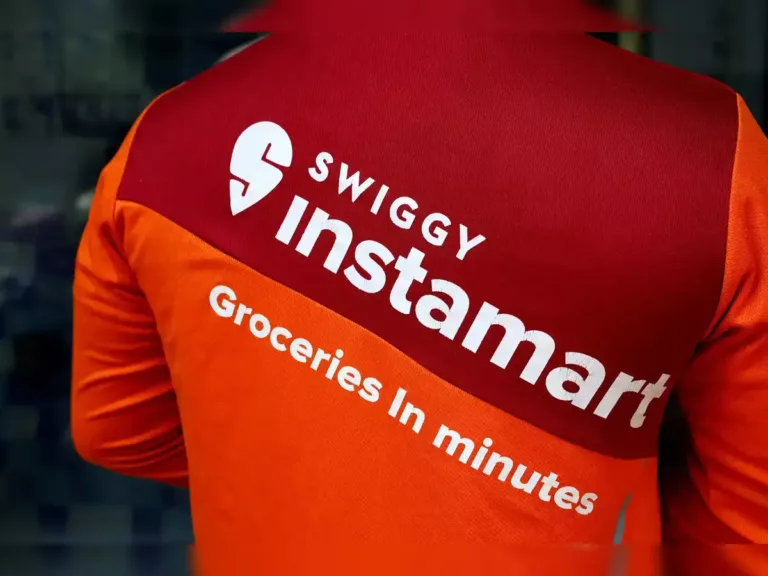
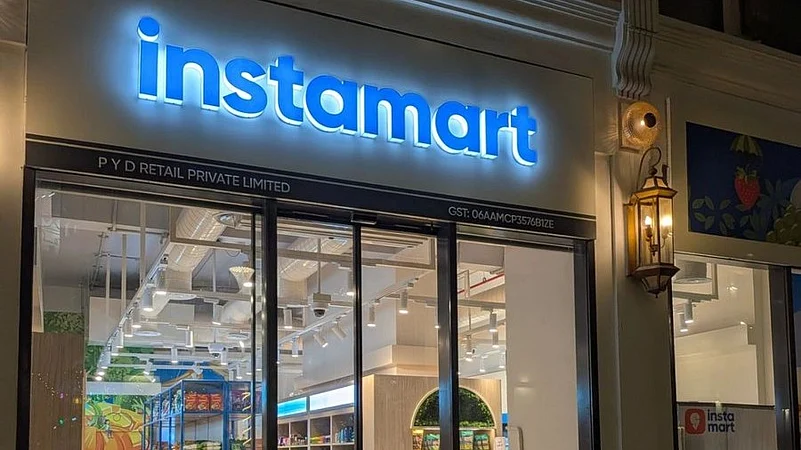
Swiggy’s Instamart has launched its first offline experiential store in Gurugram, marking a bold experiment as rapid delivery evolves. This compact outlet lets customers physically inspect products before purchasing—a departure from the app-first model that built the industry.Swiggy Instamart.
Swiggy Instamart Store Format & Key Details
| Aspect | Details |
|---|---|
| Location | M3M 65th Avenue, Gurugram (near residential societies) |
| Store Size | Under 1,000 sq ft (vs 2,500-8,000 sq ft dark stores) |
| Product Range | 100-200 SKUs (vs 40,000 in dark stores) |
| Focus Categories | Fresh produce, pulses, D2C brands, Noice private label |
| Ownership Model | Seller-owned & operated (Instamart provides branding) |
| Payment Flow | Direct to seller (no Swiggy commission deduction) |
Why This Matters for Quick Commerce
The experiential store addresses a fundamental challenge—trust in online grocery shopping. Categories like fresh produce require physical inspection. By offering touch-and-feel experiences, Instamart reduces quality returns and builds neighborhood visibility.
This pilot follows Swiggy’s ₹10,000 crore fundraise, with half allocated to quick commerce expansion. The move reflects pressure from rivals Blinkit and Zepto. Explore the quick commerce market evolution for deeper insights.
Seller-First Business Model
These stores operate through sellers who procure inventory independently. Revenue flows directly to them, bypassing Swiggy’s commission structure. This low-cost approach improves viability while reducing Instamart’s capital requirements. Stores are positioned near residential complexes for discovery and immediate purchases.
What This Means for Consumers
Benefits:
- Physical product inspection
- Instant purchases without app
- Discovery of new brands
- Neighborhood convenience
Limitations:
- Limited product selection (few hundred vs thousands online)
- Single location currently (expansion uncertain)
- Not a full-fledged supermarket alternative
Check our online grocery shopping guide for comprehensive platform comparisons.
Industry Context
Instamart’s offline experiment reflects quick commerce maturation. With Q2 FY26 losses reaching ₹739 crore despite growth, profitability pressures force innovation. The company holds 23-27% market share, trailing Blinkit but competing with Zepto. Analysts view this as branding rather than omnichannel pivot—Swiggy hasn’t committed to scaling beyond Gurugram.