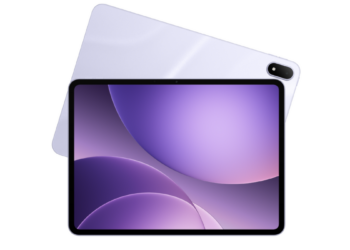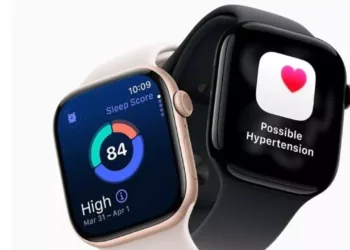

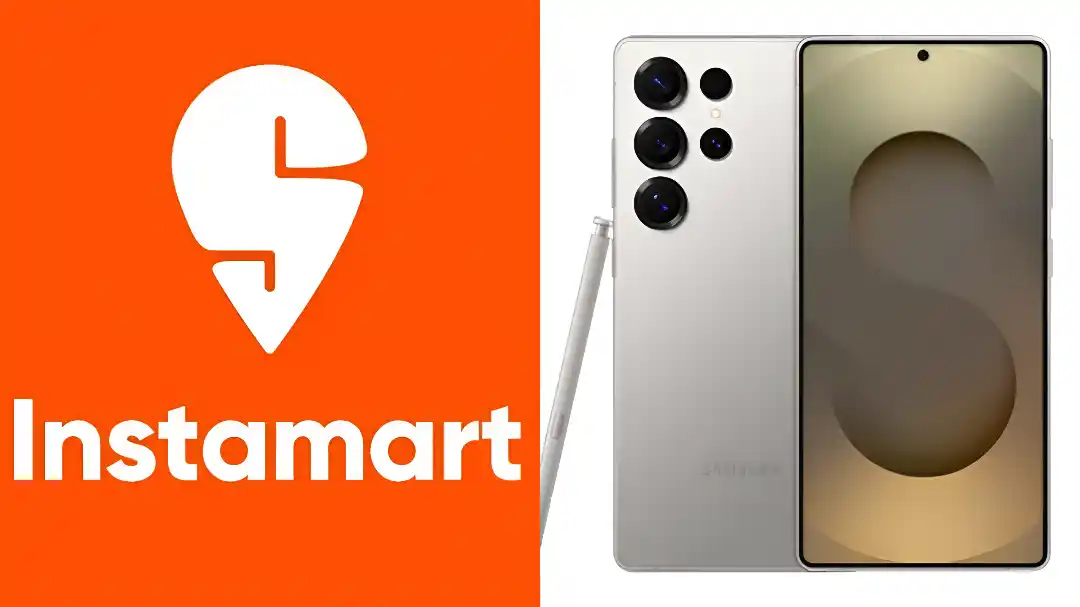
Samsung has partnered with Instamart to offer instant delivery of Galaxy smartphones, tablets, wearables, and accessories within 10 minutes across 128 Indian cities, deepening the brand’s omnichannel reach.
Table of Contents

Samsung-Instamart Partnership Details
| Information | Details |
|---|---|
| Announcement Date | December 5, 2025 |
| Delivery Time | 10-15 minutes |
| Coverage | 128 cities across India |
| Product Range | Galaxy smartphones, tablets, wearables, accessories |
| Platform | Instamart (Swiggy’s quick commerce platform) |
| Strategic Goal | Strengthen omnichannel strategy, instant accessibility |
| Launch Status | Live now |
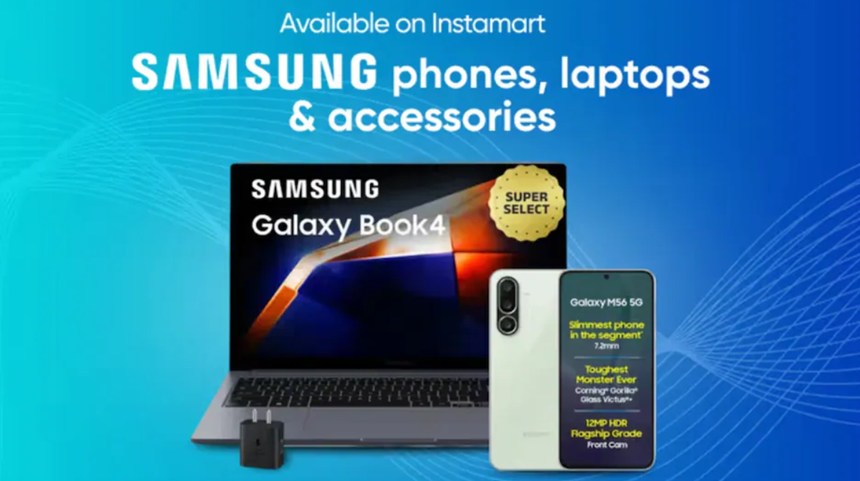
What This Partnership Means
Samsung’s collaboration with Instamart transforms how consumers access premium electronics, eliminating the traditional wait between purchase decision and product acquisition. Need a Galaxy phone urgently after your current device breaks? Order on Instamart and receive it within minutes—no store visits or next-day delivery waits required.
Omnichannel Expansion: Rahul Pahwa, Director of MX Business at Samsung India, emphasized this partnership strengthens Samsung’s omnichannel strategy by making Galaxy experiences available in minutes. The move aligns with Samsung’s commitment to extend retail presence and cater to consumers who value speed and accessibility across all price segments.
Consumer Behavior Shift: The partnership acknowledges changing consumer expectations shaped by quick commerce platforms. Manender Kaushik, AVP at Instamart, noted the collaboration ensures high-quality devices are “just a few taps and 10 minutes away, redefining what convenience in tech truly means.”
How It Works
Customers can browse Samsung’s Galaxy portfolio on Instamart’s platform (part of Swiggy), select desired devices, and place orders for hyperlocal delivery within 10-15 minutes. Instamart leverages Swiggy’s superior technology and dedicated delivery fleet to fulfill orders from strategically located dark stores stocking Samsung products.
Product Availability: While specific models weren’t detailed, the partnership covers “a wide portfolio” including smartphones, tablets, wearables like Galaxy Watches and Buds, plus accessories. Expect popular models like Galaxy S-series, A-series mid-rangers, and flagship foldables to be stocked based on demand patterns.
Geographic Reach: With presence across 128 cities, Instamart brings instant Galaxy access beyond metro areas into tier-2 and tier-3 markets—democratizing premium tech availability previously concentrated in urban retail ecosystems.
Industry Implications
This partnership represents a significant shift in consumer electronics distribution. Traditionally, smartphones required visiting physical stores or waiting days for e-commerce delivery. Quick commerce collapses this timeline entirely, competing directly with offline retail’s instant gratification while maintaining online convenience.
Competitive Pressure: Samsung’s move may force competitors like Xiaomi, Realme, and Apple to explore similar quick commerce partnerships. The convenience factor could influence purchasing decisions, particularly for impulse buyers or those facing urgent replacement needs.
Retail Evolution: The collaboration extends Samsung’s ecosystem beyond traditional retail, e-commerce platforms, and brand stores into the emerging quick commerce vertical—ensuring Samsung maintains visibility wherever consumer shopping behavior evolves.
The partnership launches immediately across all 128 Instamart-operational cities, with Samsung’s most loved Galaxy devices available for instant delivery through the Swiggy app.
Discover more retail innovation at TechnoSports and explore Samsung India’s newsroom for product updates.
FAQs
Which Galaxy devices are available through Instamart?
Samsung will offer smartphones, tablets, wearables (watches, earbuds), and accessories, though specific model availability may vary by location and stock.
Is 10-minute delivery available in tier-2/tier-3 cities?
Yes, Instamart operates across 128 cities including smaller metros and growing urban centers, not just major metropolitan areas.