NAM321/6 (50 ov)
 IRE
IRE GMB
GMB ZMB
ZMB NGA
NGA LES
LES CAG
CAG BOL
BOL COMO
COMO SAS
SAS FCA
FCA FCU
FCU KOE
KOE S04
S04 M05
M05 SVW
SVW RBL
RBL ELV
ELV MOZ19
MOZ19 UGA23/0 (0.5/20 ov, target 20)
 NZ180/5
 IND181/6 (19.5/20 ov, target 181)
 Ipswich1
 Nottm Forest1
 Alavés1
 Málaga1
 WA105/3 (18.5/50 ov, target 372)
 NSW371/8
 DEN
DEN KUW
KUW KENYA
KENYA QAT
QAT SWD-W
SWD-W EPR-W
EPR-W TTN-W
TTN-W WPR-W
WPR-W BOR
BOR WAR15/1 (2.5/20 ov)
 LIONS
LIONS Limpo21/1 (2.5/20 ov)
 NZ-A135/3 (41 ov)
 IND-A113
 DHA293/3 (84.1 ov)
 RAJ
RAJ MYMS
MYMS CHATT
CHATT RAN320/5 (80 ov)
 BAR
BAR MEX-W
MEX-W ARG-W
ARG-W UAE
UAE NED
NED PAK
PAK ENG
ENG IND-W
IND-W ZIM-W
ZIM-W AFG170/3 (34.3/50 ov, target 170)
 ZIM169
 SCP
SCP HSV
HSV ARS
ARS EVE
EVE Torino3
 Monza2
 Brest1
 Nice2
Nice2 Stuttgart2
 Gladbach3
 Al Ahli4
 Al Khaleej1
The Nipah virus isn’t just another headline—it’s a real threat that demands your attention. First identified in Malaysia back in 1998, this deadly zoonotic virus has claimed lives across South and Southeast Asia. But here’s the good news: knowledge is power, and prevention is possible. Let’s dive into everything you need to know about staying safe from this formidable pathogen.
Nipah Virus: Overview
| Aspect | Details |
|---|---|
| Virus Type | Zoonotic (animal-to-human transmission) |
| Mortality Rate | 40-75% (WHO data) |
| Incubation Period | 4-14 days |
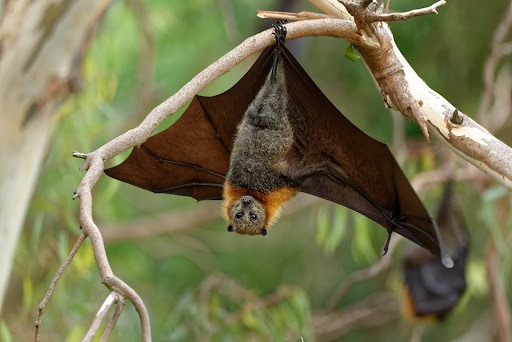
| Primary Hosts | Fruit bats (Pteropus species) |
| First Outbreak | 1998, Sungai Nipah, Malaysia |
| High-Risk Regions | India (Kerala, West Bengal), Bangladesh, Southeast Asia |
Recognizing the Red Flags
Early detection saves lives. Watch for these warning signs: sudden high fever, severe headaches, muscle pain, and respiratory distress. As the infection progresses, neurological symptoms like confusion, seizures, or altered consciousness may appear—signaling dangerous brain inflammation (encephalitis).
If you experience these symptoms after potential exposure to bats, pigs, or infected individuals, seek immediate medical attention. The World Health Organization (WHO) provides updated guidelines on Nipah virus management.
7 Proven Prevention Strategies
1. Maintain Safe Distance from Wildlife
Avoid direct contact with fruit bats or their roosting areas, especially caves. If you live near bat habitats, ensure your home is properly sealed to prevent bat entry. Never handle sick or dead animals without proper protective equipment.
2. Practice Smart Food Hygiene
Don’t consume fresh date palm sap unless it’s been boiled—bats often contaminate it overnight. Thoroughly wash all fruits, especially those that may have been exposed to bats. When in doubt, peel them before eating.
3. Master Hand Hygiene Basics
Regular handwashing with soap and water is your first line of defense. After handling animals, visiting markets, or returning home, scrub those hands for at least 20 seconds. Keep alcohol-based sanitizer (60%+ alcohol) handy when soap isn’t available.
4. Respect Bat Habitats
Tourist attractions featuring bat caves might seem exciting, but they’re high-risk zones during outbreak periods. If you must enter such areas, wear N95 masks and protective clothing. Remember: bats are natural reservoirs—respect their space.
5. Follow Healthcare Safety Protocols
Healthcare workers are frontline warriors against Nipah. If you’re caring for infected patients, strictly follow CDC infection control guidelines, including wearing PPE (personal protective equipment) and isolating patients to prevent human-to-human transmission.
6. Stay Informed, Stay Safe
Community awareness is crucial. Share prevention knowledge with family and neighbors. Report any suspected cases to local health authorities immediately—early containment prevents outbreaks from spiraling out of control. For the latest updates, visit technosports.co.in/health.
7. Travel Smart in Outbreak Zones
Planning a trip to Kerala, Bangladesh, or other affected regions? Check travel advisories first. Avoid livestock markets, stick to well-cooked foods, and follow all local health guidelines. Your vigilance protects not just you, but everyone around you.
Why Prevention Matters More Than Ever
With no specific antiviral treatment or vaccine currently available (though research continues), prevention remains our strongest weapon. Treatment focuses on supportive care—managing symptoms, providing respiratory support, and maintaining hydration. The best cure? Not getting infected in the first place.
According to recent health reports, Kerala has seen multiple Nipah outbreaks, making awareness critical for residents and travelers alike. Stay updated through technosports.co.in for breaking health news and prevention tips.
FAQs
Q1: Can Nipah virus spread from person to person?
Yes, Nipah can spread through respiratory droplets, direct contact with infected bodily fluids, or contaminated surfaces, particularly in healthcare settings and close family contacts.