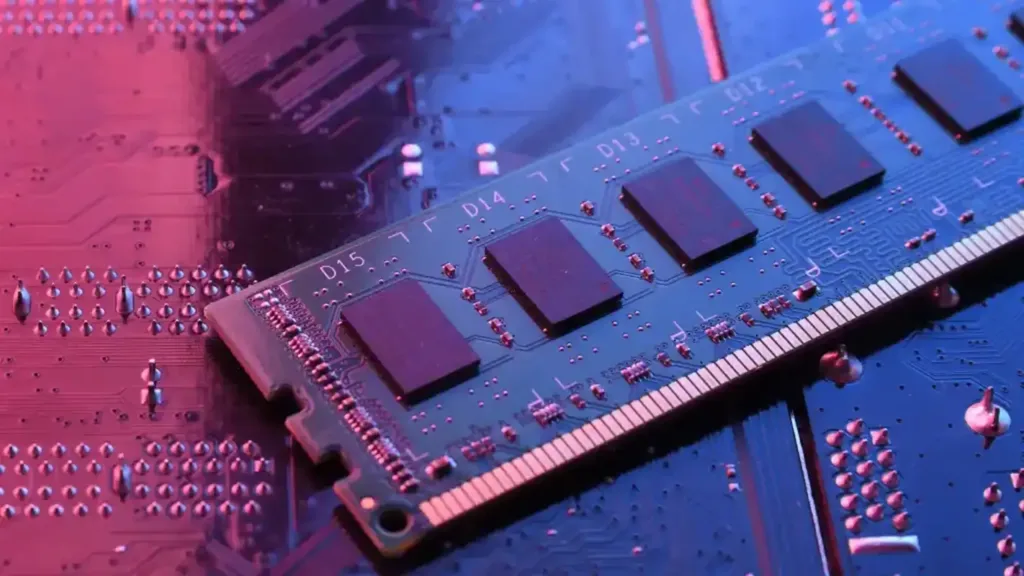
RAM shortages are threatening to drive up prices across consumer electronics, with Samsung warning that TVs, smartphones, and home appliances will face significant cost increases throughout 2026. The global memory chip crisis shows no signs of slowing.
Table of Contents

Samsung’s Price Hike Warning for 2026
Samsung Electronics co-CEO T M Roh confirmed the situation is “unprecedented” and that no company remains immune to the impact. As the world’s largest TV manufacturer, Samsung acknowledged that price increases are “inevitable” across multiple product categories.
The shortage stems primarily from surging AI demand among tech companies, which requires substantial memory resources. Samsung plans to integrate Google’s Gemini AI across 800 million devices this year, intensifying the competition for available RAM supplies.
| Affected Products | Impact Level | Expected Timeline |
|---|---|---|
| Smartphones | High | Immediate |
| Smart TVs | Medium-High | Q1-Q2 2026 |
| Home Appliances | Medium | Throughout 2026 |
| Gaming Consoles | Medium | Mid 2026 |

How RAM Shortages Affect Consumers
Beyond smartphones and TVs, the shortage impacts gaming platforms significantly. Microsoft’s “This Is an Xbox” strategy—which positions smart TVs as Game Pass streaming devices—faces challenges if TV prices surge dramatically.
According to Reuters reporting, Samsung is collaborating with production partners to minimize disruption, though complete mitigation appears unlikely given the scale of demand.
Tech Industry Response to Memory Crisis
Nvidia reportedly considers resurrecting discontinued GeForce RTX 3060 GPUs to combat shortages and high prices in the graphics card market. The company previously phased out the 3060 series favoring more expensive 40 and 50 series cards, but market conditions may force strategic reversals.
This approach contrasts with Samsung’s acknowledgment that price increases remain unavoidable despite mitigation efforts. The divergent strategies highlight industry uncertainty about navigating the shortage.
Why AI Drives RAM Demand
Artificial intelligence applications require massive memory bandwidth and capacity. As companies integrate AI features into consumer products—from Samsung’s Gemini-powered devices to smart home appliances—RAM requirements multiply exponentially.
The 800 million AI-enabled Samsung devices planned for 2026 alone represent unprecedented memory demand. When combined with AI initiatives from Apple, Google, Microsoft, and other tech giants, the supply-demand imbalance becomes clear.
What Consumers Should Expect
Price increases will likely vary by product category and region. Premium devices incorporating advanced AI features may see steeper hikes compared to budget models with minimal AI integration.
For tech enthusiasts and gamers, the shortage complicates upgrade plans across multiple device categories. Smart TV purchases, gaming console availability, and even smartphone replacements face potential delays and cost pressures.
Industry experts suggest consumers consider purchases sooner rather than later if planning upgrades, as prices may continue climbing throughout 2026 as AI adoption accelerates and memory supplies remain constrained.
Samsung’s transparency about inevitable price increases, combined with ongoing production partner negotiations, indicates the shortage will persist well into 2026 despite industry mitigation efforts.
FAQs
Why are RAM prices increasing in 2026?
Surging AI demand from tech companies is consuming available memory chip supplies.
Which Samsung products will cost more?
TVs, smartphones, and home appliances all face potential price increases this year.