Payal Dhare became the center of a major online controversy in December 2025 after a suspected deepfake video began circulating across social media platforms. The incident quickly attracted widespread attention and sparked renewed concern about the growing misuse of artificial intelligence in digital content manipulation.
The viral clip allegedly showed Payal Gaming in a compromising situation, leading to intense online discussion and speculation. As the footage spread rapidly, many users questioned whether the video was authentic or digitally altered. The situation highlighted how quickly manipulated content can gain traction online before proper verification takes place.
Tech-savvy viewers and digital analysts who reportedly reviewed the footage pointed out several irregularities that raised doubts about its legitimacy. Observers mentioned unnatural facial movements, inconsistent lighting, abrupt visual transitions, and expressions that appeared disconnected from the surrounding context. These anomalies led many to suspect that the clip may have been created or modified using deepfake technology or advanced AI-driven editing tools.
The incident reflects a broader challenge emerging in the digital era: the increasing difficulty of distinguishing authentic media from AI-generated or manipulated content. Modern deepfake technology is capable of realistically altering faces, voices, and expressions, often creating highly convincing but entirely fabricated scenarios that can mislead audiences and damage reputations.
The controversy also intensified conversations around digital safety, misinformation, online harassment, and the ethical use of artificial intelligence. Cybersecurity experts and privacy advocates continue urging users to verify viral content carefully, avoid spreading unconfirmed material, and remain aware of how AI-generated misinformation can affect individuals both emotionally and professionally.
The incident highlights the growing challenges posed by AI-driven misinformation and digital manipulation in today’s media environment. Experts continue to stress the importance of media literacy, fact-checking, and critical thinking before accepting or sharing viral content online. Carefully evaluating the source, context, and authenticity of videos has become increasingly essential in an era where manipulated media can spread rapidly across social platforms.
At the same time, the controversy also raises broader concerns about privacy, reputational harm, and the ethical use of artificial intelligence technologies. Many digital safety advocates are calling for stronger safeguards, better detection systems, and greater public awareness to help combat the misuse of AI-generated content.
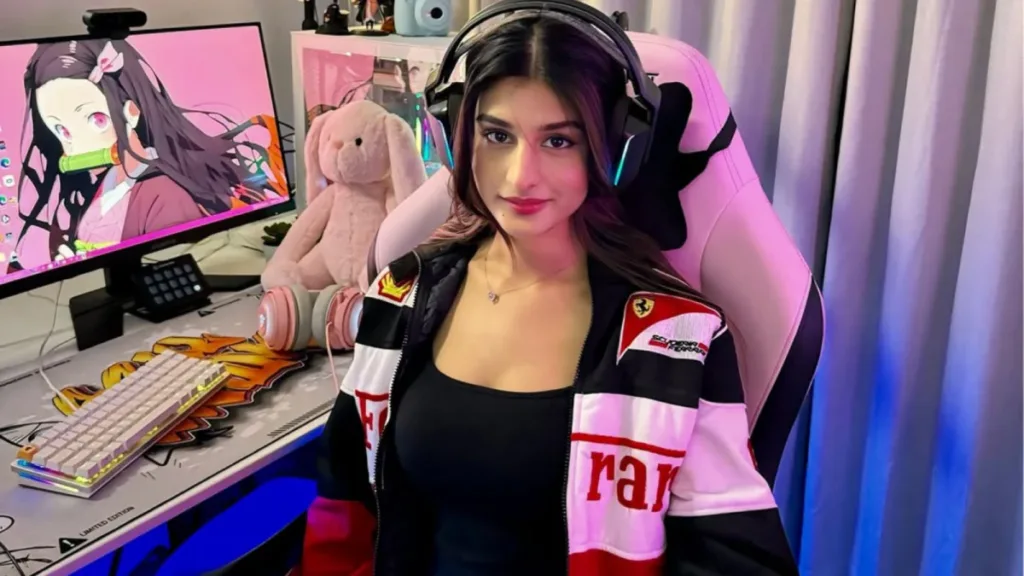
Experts soon indicated that the clip was likely created using artificial intelligence tools. Many analysts believe it was a deepfake, a type of manipulated media where AI technology is used to alter faces or voices to make content appear real. Such videos are often produced to attract attention, generate controversy, or spread misinformation online.
The incident highlights the growing challenges associated with digital media in an era where AI tools are becoming increasingly powerful and accessible. Deepfake technology can create highly convincing videos, making it difficult for viewers to immediately distinguish between real footage and fabricated content.
Misleading or out-of-context clips can spread rapidly across the internet, often reaching a wide audience long before any fact-checking or clarification appears. This fast circulation can easily fuel confusion and allow false narratives to take root, making it difficult for viewers to separate fact from fiction once something goes viral.
Such situations underline the importance of carefully verifying any content before believing or sharing it. Sensational videos, especially those that trend quickly on social media, should always be approached with caution. Relying on credible and trusted sources for confirmation helps prevent the further spread of misinformation and reduces the chances of contributing to online confusion.
On a broader level, these incidents also raise serious concerns about digital privacy, misinformation, and the responsible use of modern technology. When altered, misleading, or falsely framed content involves public figures or popular creators, the impact can be even more damaging. It can distort public perception, harm personal and professional reputations, and cause significant emotional distress to those targeted.
As digital platforms continue to expand, the responsibility also increases for users to maintain a healthier online ecosystem. Developing strong media literacy skills—such as checking the authenticity of sources, questioning viral claims, and avoiding impulsive sharing—plays a crucial role in limiting the reach of harmful or fabricated content.
Table of Contents
Payal Gaming: Facts at a Glance-
| Aspect | Details |
|---|---|
| Incident Date | December 15-17, 2025 |
| Platform | X (Twitter), Instagram, Telegram |
| Video Duration | 1 minute 20 seconds |
| Verdict | Confirmed AI-generated deepfake |
| Official Response | None issued yet |
What Sparked the Controversy?
A digitally altered intimate video recently began circulating across social media, with misleading claims falsely linking it to Payal Dhare. The clip quickly spread across multiple platforms, as many users shared the unverified content while attaching her name without any credible proof.
As the video gained traction, it sparked confusion and concern among online communities. However, her supporters were quick to respond, challenging the claims and urging others to look more closely at the footage. Upon closer examination, several inconsistencies were identified, raising doubts about its authenticity. Observers pointed out signs commonly associated with AI manipulation, including unnatural facial expressions, irregular movements, and mismatched visual details.
Many supporters argued that the video appeared to be a deepfake—content generated or altered using artificial intelligence to falsely depict someone in a fabricated situation. They emphasized that such material is often created to attract attention, generate online engagement, or damage an individual’s reputation.
The incident has also reignited broader concerns about the risks associated with AI-generated media. As technology becomes more advanced and accessible, it is becoming easier to create highly convincing but misleading content. This makes it increasingly important for users to verify information before sharing or reacting to it online.
In response, many voices across social media have called for greater awareness and responsibility. Users are being encouraged to think critically before engaging with viral content, especially when it involves sensitive or potentially harmful claims about individuals.
Overall, the situation highlights how quickly misinformation can spread in the digital age and the challenges of controlling it once it gains momentum. It also underscores the importance of responsible online behavior—fact-checking, avoiding the spread of unverified claims, and respecting individuals’ privacy—to help create a safer and more trustworthy digital environment.

The Gaming Queen Behind the Headlines-
Payal Dhare, professionally known as Payal Gaming, started her YouTube journey in 2019, streaming popular titles like BGMI, PUBG, and GTA V. She made history as India’s first female gamer to cross 3 million subscribers on YouTube, with current counts reaching 4.5 million on YouTube and 4.2 million on Instagram.
Her achievements include winning the 2024 MOBIES award, becoming India’s first female gamer to receive international recognition. She’s also earned titles like Female Streamer of the Year and represents brands like iQOO and Samsung. Learn more about female gamers breaking barriers in India’s gaming ecosystem.
Growing Threat of Deepfake Technology
This incident highlights a dangerous pattern targeting content creators. According to MIT’s research on deepfakes, AI-generated videos have become increasingly sophisticated, making them harder to detect.

Digital security experts emphasize that such fabricated content often serves as clickbait leading to malware and phishing scams. The Indian IT Act criminalizes the creation and distribution of morphed explicit content, with violators facing severe legal consequences.
Explore more about gaming industry trends and how creators are navigating digital challenges.
FAQs
Q: Is the viral video of Payal Gaming authentic?
No. Multiple fact-checks and fan investigations confirm the video is an AI-generated deepfake. Payal has not issued an official statement, but experts have identified clear signs of digital manipulation in the footage.
Q: How can you identify deepfake videos?
Watch for unnatural facial movements, mismatched lighting, inconsistent shadows, audio-video sync issues, and unusual blinking patterns. Use reverse image search tools and verify content through official sources before sharing.