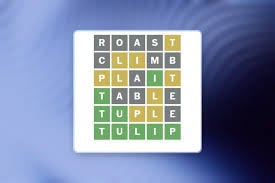
Today’s Wordle #1629 brings a botanical twist to your morning word puzzle routine. Whether you’re sipping coffee and hunting for that perfect starting word or desperately protecting your 200-day streak, this guide delivers strategic hints before revealing the complete answer. With an average solving rate of 3.4 guesses and 46.2% of players cracking it in three or fewer attempts, December 4’s puzzle presents a moderate challenge that rewards smart vowel placement and common letter elimination.
NYT Wordle #1629 Quick Stats
| Detail | Information |
|---|---|
| Date | Thursday, December 4, 2025 |
| Puzzle Number | #1629 |
| Answer | TULIP (spoiler below) |
| Vowels | 2 (U, I) |
| Repeated Letters | None |
| Starting Letter | T |
| Average Guesses | 3.4 attempts |
| Difficulty | Moderate |
| Success Rate | 46.2% solved in ≤3 guesses |
| Luck Score | 63.7/99 |
| Skill Score | 86.8/99 |
Strategic Hints (Spoiler-Free)
Hint 1 – Vowel Count: Today’s word contains exactly 2 vowels, neither appearing consecutively. This rules out words like “AUDIO” or “QUEEN” with vowel clusters.

Hint 2 – Letter Repetition: No repeated letters appear in this word. Eliminate common doubles like “LL,” “SS,” or “EE” from your mental database.
Hint 3 – Starting Letter: The word begins with “T”—one of English’s most common consonants. Strong openers include “TRAIN,” “TRADE,” or “TOAST” to maximize elimination.
Hint 4 – Contextual Clue: Think spring gardens, Dutch heritage, and vibrant colors. This word represents something delicate yet instantly recognizable across cultures.
For the official Wordle experience, visit The New York Times Wordle.
The Answer: TULIP
Spoiler Alert: Today’s Wordle answer is TULIP.
If you conquered it—congratulations! If not, tomorrow brings fresh opportunities. The beauty of Wordle lies not in perfection but in the daily ritual of linguistic deduction.
Why TULIP Challenged Players
With a 3.4 average guess count, TULIP presented moderate difficulty. The “U” in second position threw many players accustomed to “E” or “A” as early vowels. Additionally, “P” as the final letter isn’t as common as “T,” “S,” or “R” endings.
WordleBot Analysis:
- Luck Score (63.7/99): Moderate—meaning smart guessing could eliminate possibilities efficiently
- Skill Score (86.8/99): High—successful players demonstrated strong strategy rather than lucky guesses
- Success Rate: 46.2% solved in three or fewer attempts, indicating balanced difficulty
Explore more word game strategies at TechnoSports.
Fascinating TULIP Facts
Botanical Origins: Tulips belong to genus Tulipa, encompassing approximately 75 wild species and countless hybrids. Native to Central Asia and southern European mountains, these bulbous perennials revolutionized horticulture.
Dutch Tulip Mania: During 17th-century Netherlands, tulip bulbs became so valuable they sparked history’s first recorded speculative bubble—Tulip Mania—where single bulbs sold for the equivalent of Amsterdam houses.
Etymology: The name derives from Persian “dulband” (turban), referencing the flower’s distinctive shape when viewed from certain angles.
Cultural Significance: Tulips symbolize spring renewal, perfect love, and rebirth across various cultures. Their vibrant color spectrum makes them perennial favorites for gardens and floral arrangements worldwide.
Yesterday’s Answer: HASTE
Missed December 3’s puzzle? The answer was HASTE—a more challenging word with a 4.0 average guess count and only 30.8% solving it in three or fewer attempts. The uncommon “H” starting letter and tricky vowel placement made HASTE significantly harder than today’s TULIP.
Recent Wordle Answers
| Date | Puzzle # | Answer | Avg. Guesses |
|---|---|---|---|
| Dec 4 | #1629 | TULIP | 3.4 |
| Dec 3 | #1628 | HASTE | 4.0 |
| Dec 2 | #1627 | CACTI | — |
| Dec 1 | #1626 | LEACH | — |
| Nov 30 | #1625 | MUGGY | — |
| Nov 29 | #1624 | GRUFF | — |
Stay updated with daily Wordle solutions at TechnoSports.
Pro Tips for Future Wordles
1. Start Strong: Use vowel-rich openers like “ADIEU,” “ARISE,” or “ORATE” to maximize information from your first guess.
2. Eliminate Strategically: After identifying vowel positions, focus second guesses on common consonants (R, S, T, L, N).
3. Consider Letter Frequency: “E” is English’s most common letter, followed by “T,” “A,” “O,” “I”—prioritize these in early guesses.
4. Avoid Repeat Patterns: Once you know certain letters aren’t in the word, mentally eliminate all possibilities containing them.
5. Think Thematically: NYT Wordle occasionally features seasonal or culturally relevant words—TULIP fits spring/gardening themes perfectly.