SA329 (82.3 ov)
 AUS
AUS AFG146/6 (17.4/20 ov)
 ZIM
ZIM SAS
SAS LAZ
LAZ ROMA
ROMA CAG
CAG TOR
TOR COMO
COMO BAN
BAN WI
WI IND-W
IND-W ZIM-W
ZIM-W GOA
GOA SC Delhi
 Milan
Milan Bologna
 Parma
Parma Udinese
 ABH0
ABH0 ALF1
ALF1 PAK110
 SL114/2 (18.1/50 ov, target 111)
 NAM316/7
 IRE253 (44.5/50 ov, target 317)
 NZ198/3
 IND199/4 (13.2 ov)
 SIKM184
 NAGA187 & 46/4 (34 ov)
 JHK131/4 (47 ov)
 DELHI515/5d
 ODSA194
 SVCS13/0 (5 ov)
 BRODA616
 J & K6/0 (4 ov)
 CHD685/5d
 HP49/0 (14 ov)
 CGR216/8 (95 ov)
 AP231
AP231 HYD193/2 (54 ov)
 PNJB431
 KNTKA297/7 (95 ov)
 TPURA194
 KER101/6 (35 ov)
 BENG350
 MAHA278/9 (100 ov)
 GUJ223
 AUCK
AUCK CANT
CANT CD
CD ND
ND DEN
DEN QAT
QAT KENYA
KENYA KUW
KUW POA
POA SPR
SPR BRB
BRB VAG
VAG NED371/5
 OMA265 (49.3/50 ov, target 372)
 JAB113 (19.3/20 ov, target 133)
 KAY132/9
 BIK149 (19.3/20 ov, target 158)
 CHR157/3
 Venezia
 Inter Milan
 Genoa
Genoa Juventus
 Sevilla2
 Osasuna0
 PSG2
PSG2 Lyon0
Lyon0 Mohun Bagan1
 Chennaiyin0
 BEI2
BEI2 JHM2
JHM2 RCH0
RCH0 KRE0
KRE0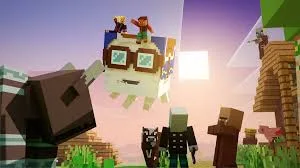
After months of silence, Mojang has finally broken their radio silence on Vibrant Visuals for Java Edition—the most significant visual overhaul in Minecraft’s history. While Bedrock Edition players have been enjoying shader-like enhanced graphics since earlier this year, Java Edition fans have been left wondering when they’ll get the same treatment. The good news? Mojang just shared a major development update revealing they’re nearly ready. Here’s everything you need to know about what’s coming, why it’s taking so long, and when you might finally see it.
What is Vibrant Visuals? Minecraft Biggest Visual Upgrade Since Launch
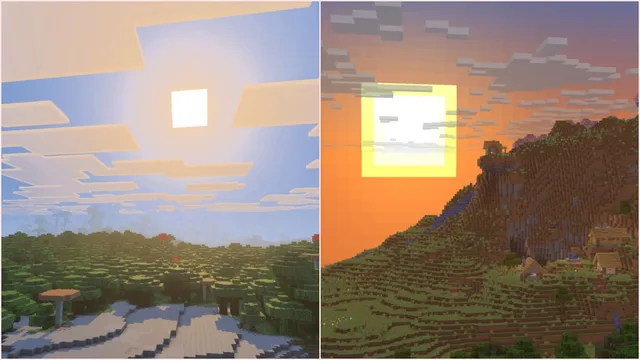
Vibrant Visuals represents Minecraft’s most ambitious graphical overhaul since the game’s 2011 launch. Think of it as native shader support built directly into the game—no mods required.

| Feature | Current Minecraft | With Vibrant Visuals |
|---|---|---|
| Lighting | Basic, flat lighting | Dynamic global illumination |
| Shadows | None (blocky only) | Real-time soft shadows |
| Water | Transparent blocks | Reflective, refractive surfaces |
| Atmosphere | Minimal effects | Volumetric fog, god rays |
| Performance | Single-thread rendering | Dual-thread rendering system |
| Compatibility | Limited shader support | Native visual enhancements |
Source: Mojang Studios Official Blog
The update transforms Minecraft’s iconic blocky aesthetic into something visually stunning while maintaining the game’s signature charm. It’s not about making Minecraft realistic—it’s about making it vibrant.
For more Minecraft updates and optimization guides, visit our Minecraft hub.
Why Bedrock Got It First: The Java Edition Challenge
Vibrant Visuals launched for Bedrock Edition earlier in 2025, leaving Java Edition players frustrated. But the delay isn’t arbitrary—it’s technical.
Bedrock vs. Java Architecture:
Bedrock Edition:
- Written in C++ (performance-optimized)
- Designed for cross-platform compatibility
- More efficient rendering pipeline
- Easier to implement dual-threading
Java Edition:
- Written in Java (more flexible but slower)
- Legacy codebase dating back to 2011
- Single-threaded rendering architecture
- Requires complete core rewrite for visual upgrades
The core issue? Java Edition’s rendering happens on the primary game thread, creating bottlenecks. Mojang can’t just “copy-paste” Bedrock’s system—they need to fundamentally rebuild how Java Edition renders the world.
The Technical Challenge: Dual-Thread Rendering Explained
Mojang’s latest update reveals their solution: introducing a dedicated render thread separate from the main game logic thread.
Current System (Single-Thread):
Main Thread: Game Logic + Rendering + Physics + AI = Performance Bottleneck
New System (Dual-Thread):
Main Thread: Game Logic + Physics + AI
Render Thread: Dedicated Visual Processing = Better Performance
What Mojang is Doing: According to their update, they’re “revamping the central code of the game and preparing it for the extraction of the game state from the main thread, which will then be used for rendering on the dedicated render thread.”
Translation: They’re splitting Minecraft’s brain in half—one side handles gameplay, the other handles graphics. This allows both processes to run simultaneously without competing for resources.
Progress Update: Mojang confirmed that “the majority of the work for entities, block entities, particles, and the UI is mostly complete.” This suggests they’re in the final stages of implementation.
Explore advanced Minecraft optimization techniques on our performance guide page.
What’s Actually Changing: Visual Features Breakdown
Enhanced Lighting System:
- Global illumination (light bounces realistically)
- Colored lighting from different block types
- Dynamic shadows that respond to time of day
- Smooth lighting transitions
Water and Reflections:
- Reflective water surfaces showing sky and surroundings
- Refractive effects when looking through water
- Enhanced underwater lighting
- Ripple effects from movement
Atmospheric Effects:
- Volumetric fog in caves and forests
- God rays (sunbeams) through trees and blocks
- Enhanced particle systems
- Improved weather effects
Performance Improvements:
- Better frame rates on mid-range hardware
- Reduced stuttering during world generation
- Smoother chunk loading
- More efficient resource usage
Modders and Shader Creators: Mojang Wants Your Help
In a smart move, Mojang is reaching out to the modding community—the same creators who’ve kept Minecraft visually competitive for years through shader packs like BSL, Complementary, and SEUS.
Community Support Channel: Mojang created a dedicated Discord support channel for:
- Resource pack creators
- Shader pack developers
- Mod developers
- Technical testing volunteers
Why This Matters: Minecraft’s modding scene is massive, with millions of players using shader mods. If Vibrant Visuals breaks compatibility with popular mods, the community backlash would be severe. By involving modders early, Mojang ensures:
- Smoother transition for existing shader users
- Feedback from experts who understand rendering
- Better compatibility with popular mods
- Community buy-in for the changes
Release Window: When Can Java Players Expect It?
Here’s the frustrating part: Mojang hasn’t announced a release date. However, we can make educated predictions based on their update.
What We Know: ✅ “Majority of work… is mostly complete”
✅ Minor changes remaining
✅ Testing and refinement phase ongoing
✅ Community feedback being incorporated
Realistic Timeline Prediction:
| Scenario | Release Window | Likelihood |
|---|---|---|
| Optimistic | Q1 2026 (Jan-Mar) | Possible if testing goes smoothly |
| Realistic | Q2 2026 (Apr-Jun) | Most likely based on Mojang’s development pace |
| Conservative | Q3 2026 (Jul-Sep) | If significant issues arise during testing |
| Pessimistic | Late 2026 or beyond | Only if major architectural problems emerge |
Best Guess: Early-to-mid 2026 seems most realistic. With the “majority of work complete” as of October 2025, a Q2 2026 release would allow 6-8 months for testing, refinement, and community feedback integration.
System Requirements: Will Your PC Handle It?
While official requirements haven’t been published, we can estimate based on Bedrock Edition specs and the dual-thread architecture:
Expected Minimum Requirements:
- CPU: Intel Core i5 / AMD Ryzen 5 (quad-core minimum)
- GPU: GTX 1060 / RX 580 or equivalent
- RAM: 8GB minimum, 16GB recommended
- Storage: SSD recommended for chunk loading
- Java Version: Java 21 or newer
The Good News: The dual-thread rendering should actually improve performance on multi-core processors compared to current Java Edition. Players with older hardware might see better frame rates than they currently get with shader mods.
Java vs. Bedrock: Will This Close the Gap?
For years, Java Edition has been considered the “true” Minecraft experience, while Bedrock offered better performance and cross-platform play. Vibrant Visuals could finally bridge the visual gap.
Current State:
- Bedrock: Better performance, visual upgrades, cross-play
- Java: Better modding, more features, legacy preference
Post-Vibrant Visuals:
- Bedrock: Performance advantage remains
- Java: Visual parity + superior modding ecosystem
This could make Java Edition the definitive version for PC players who prioritize both visuals and modding flexibility.
Community Reactions: Excitement Mixed with Impatience
The Minecraft community’s response has been overwhelmingly positive—with one caveat: “We’ve been waiting too long.”
Positive Sentiment:
- “Finally! Java deserves this upgrade”
- “The dual-thread rendering will help performance massively”
- “Glad they’re working with shader developers”
Frustrated Sentiment:
- “Bedrock got it months ago, why the delay?”
- “Just give us a release date already”
- “At this rate, it’ll arrive in 2027”
The Reality: Software development is unpredictable, especially when rewriting core architecture. Mojang’s cautious approach prevents another disastrous launch like Minecraft 1.19.4’s performance issues that plagued Java players for months.
What This Means for Shader Pack Users
If you currently use shader packs like BSL, Complementary, SEUS, or Vanilla Plus, here’s what to expect:
Short-Term:
- Continue using your favorite shaders until Vibrant Visuals launches
- Monitor Discord channel for compatibility updates
- Expect some shader packs to break initially
Long-Term:
- Shader developers will adapt packs to work with Vibrant Visuals
- You might not need shaders anymore (native visuals could suffice)
- Hybrid approach: Vibrant Visuals + minimal shader enhancements
Best Practice: Keep your current shader setup backed up, and don’t delete anything when Vibrant Visuals launches—you might want options during the transition period.
Frequently Asked Questions
Q: Will Vibrant Visuals for Java Edition be free, and will it affect Minecraft’s iconic blocky aesthetic?
Q: Will my current mods and resource packs break when Vibrant Visuals launches on Java Edition?
A: There’s moderate risk of compatibility issues, but Mojang is proactively addressing this by working directly with the modding community. Since Vibrant Visuals requires revamping the central code and introducing a dedicated render thread (extracting game state from the main thread), any mods that interact with rendering, lighting, or visual systems could potentially break. However, Mojang created a dedicated Discord support channel specifically for modders, shader pack creators, and resource pack developers to test compatibility and provide feedback before the official release. This early collaboration means popular mods like OptiFine, Sodium, Iris Shaders, and major modpacks will likely have compatibility updates ready at or shortly after launch. Resource packs (texture packs) should remain largely unaffected since they modify textures, not rendering architecture. The biggest disruption will be for shader packs, but developers are already working on updates. Best practice: Back up your current mod setup, monitor mod developer announcements as the release approaches, and wait a week or two after launch for mod updates to stabilize before updating your game if you rely heavily on mods.