
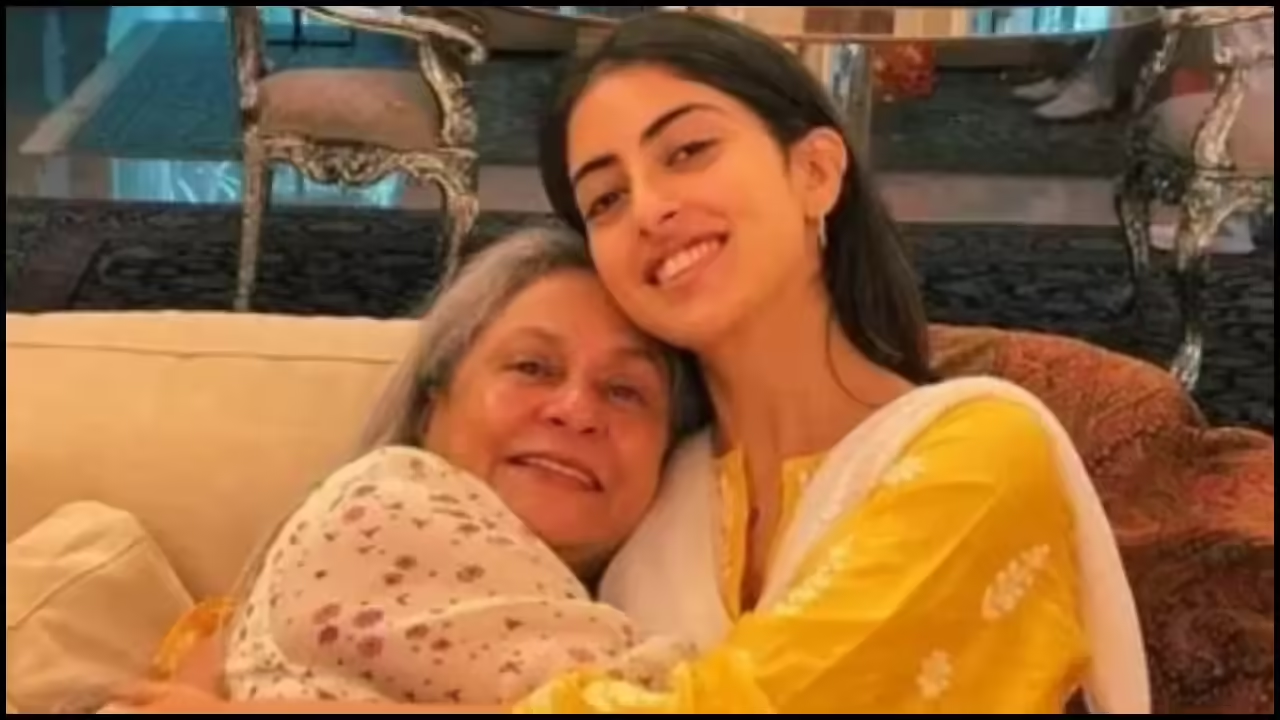
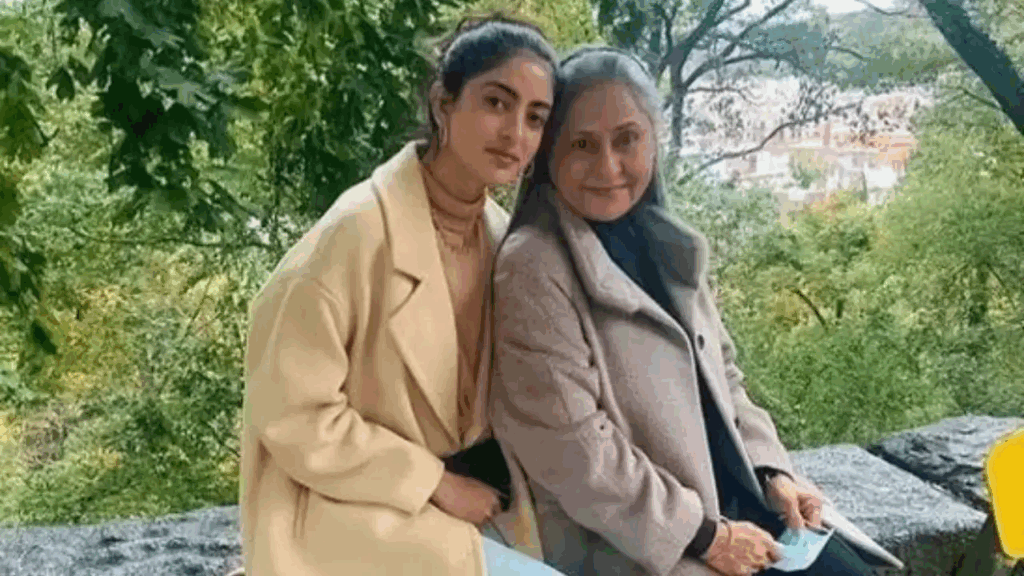
Veteran actress Jaya Bachchan sparked a nationwide conversation on modern relationships at Mumbai’s We The Women event, declaring marriage an “outdated institution” and revealing she doesn’t want her 28-year-old granddaughter Navya Naveli Nanda to tie the knot—despite her own 52-year marriage to Amitabh Bachchan.
Table of Contents
Jaya Bachchan’s View on Marriage: Key Takeaways
| Category | Details |
|---|---|
| Event | We The Women, Mumbai |
| Speaker | Jaya Bachchan (Veteran Actress) |
| Topic | Modern Marriage and Relationships |
| Key Statement | “Marriage is outdated; I don’t want Navya to marry” |
| Interviewer | Journalist Barkha Dutt |
| Granddaughter | Navya Naveli Nanda (turning 28) |
| Jaya’s Marriage | 52 years with Amitabh Bachchan (married June 3, 1973) |
| Context | Generational perspectives on relationships |
| Reaction | Widespread social media discussion |
“I Don’t Want Navya to Get Married”
In conversation with journalist Barkha Dutt, Jaya was asked whether marriage still holds the same relevance in today’s world. Her response was unequivocal: “Yes, absolutely. I don’t want Navya to get married.”
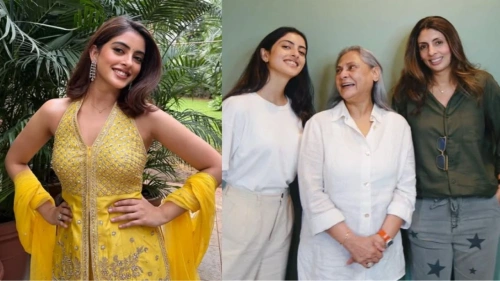
The statement caught many by surprise, particularly given Jaya’s own enduring marriage. However, she clarified that today’s generation lives in a fundamentally different reality than previous ones.
Jaya’s reasoning: “Today’s world is very different from the one I grew up in, and young people are more aware, independent and sharp. Older generations should allow youngsters to make their own choices without pressure.”
This perspective reflects growing conversations about individual choice, autonomy, and the changing nature of commitment in modern India—particularly among urban, educated youth who increasingly prioritize career, personal growth, and flexibility over traditional life milestones.
The “Delhi Ka Laddoo” Analogy: Marriage’s Complications
Using the famous Hindi phrase “Delhi ka laddoo,” Jaya humorously explained marriage’s paradoxical nature: “Woh Delhi ka laddoo hai… khao toh mushkil, na khao toh bhi mushkil. Either way it’s difficult. But just enjoy life!”
Translation: Like the Delhi laddoo (a famous sweet)—it’s problematic whether you eat it or don’t eat it; similarly, marriage brings challenges whether you commit or stay single.
This pragmatic view acknowledges that:
- Marriage isn’t inherently easier than singlehood
- Social pressure exists regardless of choice
- Happiness should be prioritized over expectations
- Both paths have unique challenges and rewards
The analogy resonated across social media, with many appreciating her refreshingly honest take on an institution often romanticized without acknowledging its complexities.
Legal Validation Doesn’t Define Love
Jaya emphasized that emotional security doesn’t require a marriage certificate—a progressive stance challenging traditional Indian perspectives on relationships and commitment.
Her view on modern relationships: “Legal validation does not define a relationship. Emotional security does not always need a marriage certificate.”
This statement aligns with growing acceptance of:
- Live-in relationships gaining social legitimacy
- Partnerships prioritizing emotional connection over legal formality
- Individual definitions of commitment and family
- Recognition that paperwork doesn’t guarantee happiness
For a woman of Jaya’s generation—raised in conservative 1940s-50s India—to articulate these views publicly demonstrates remarkable evolution and openness to changing social norms.
The Irony: 52 Years of Marriage
What makes Jaya’s statements particularly fascinating is the context: she’s been married to Bollywood legend Amitabh Bachchan for 52 years, since June 3, 1973—one of Indian cinema’s most enduring and iconic partnerships.
The Bachchan marriage:
- 52 years together (married 1973)
- Two children: Shweta Bachchan-Nanda and Abhishek Bachchan
- Multiple iconic films together (Sholay, Abhimaan, Mili, Chupke Chupke)
- Weathered numerous challenges including Amitabh’s near-fatal accident (1982)
- Represent Bollywood’s first couple for multiple generations
This paradox—advising against marriage while living in one for over five decades—sparked debate: Does her experience make her uniquely qualified to critique the institution, or does it undermine her argument?
Jaya’s perspective: She’s not condemning her own choices but rather advocating for younger generations to have options she didn’t, free from societal pressure.
Navya Naveli Nanda: Charting Her Own Path
Navya, the granddaughter of Amitabh and Jaya Bachchan and daughter of Shweta Bachchan-Nanda and businessman Nikhil Nanda, is building an impressive career outside Bollywood despite her famous lineage.
Navya’s Achievements:
- Co-founder, Aara Health (2020): Women’s health platform addressing healthcare accessibility
- MBA student, IIM Ahmedabad: Pursuing business education at India’s premier institution
- Social initiatives: Active in causes related to women’s empowerment and health
- Author: Currently co-writing her first book
- Podcast host: “What The Hell Navya” featuring three generations of Bachchan women
Why she chose entrepreneurship over acting: Navya has repeatedly stated she’s not interested in Bollywood, preferring to create impact through business and social work—a decision her family fully supports.
Her grandmother’s public stance against marriage pressure likely reflects respect for Navya’s independent choices and desire to shield her from traditional expectations that often accompany prominent families.
Social Media Reactions: Divided Opinions
Jaya’s comments triggered widespread reactions across Twitter, Instagram, and other platforms:
Supporters praised:
- Her progressive thinking despite generational differences
- Willingness to challenge outdated norms publicly
- Recognition that marriage isn’t necessary for fulfillment
- Empowering granddaughters to make independent choices
Critics questioned:
- The contradiction of criticizing an institution she’s practiced for 52 years
- Whether younger generations need advice against marriage
- If personal experience should influence blanket recommendations
The conversation reflects broader generational divides on marriage, relationships, and individual autonomy in contemporary India.
Generational Wisdom: “Children Are Too Smart Now”
Jaya acknowledged the intelligence and awareness of today’s youth: “I am a grandmother now… I am too old to advise young girls on how to bring up children. Things have changed so much and today little children are so smart, they will outsmart you.”
This humility—recognizing that older generations shouldn’t impose outdated advice—represents refreshing self-awareness rarely seen in public discourse about intergenerational relationships.
Jaya’s Upcoming Work
On the professional front, Jaya will next appear in “Dil Ka Darwaaza Khol Na Darling,” co-starring Wamiqa Gabbi and Siddhant Chaturvedi, continuing her selective but impactful film career.
For more insights into Bollywood’s iconic families and their evolving perspectives, TechnoSports provides comprehensive coverage of entertainment news and cultural conversations shaping modern India.
The Bigger Picture: Marriage in Modern India
Jaya’s comments arrive during significant social evolution in India:
- Rising age of first marriage
- Increasing acceptance of live-in relationships
- Growing divorce rates challenging marriage permanence myths
- Career prioritization among educated women
- Declining social stigma around singlehood
Her willingness to publicly question marriage’s necessity—especially given her celebrity status—legitimizes conversations that younger Indians are already having privately, potentially accelerating cultural shifts toward relationship diversity and individual choice.
Frequently Asked Questions
Why Would Jaya Bachchan Call Marriage Outdated After 52 Years of Marriage?
Jaya’s critique of marriage as “outdated” doesn’t contradict her own 52-year marriage to Amitabh Bachchan; rather, it reflects evolved understanding based on lived experience and observation of how marriage has changed across generations. Her perspective suggests that while marriage worked within her generation’s social context—where women had fewer options and societal pressure was intense—today’s young people face entirely different realities with expanded educational opportunities, career possibilities, and social acceptance of diverse relationship models. Jaya recognizes that her granddaughter Navya has choices she didn’t, including the option to remain unmarried without social ostracization. Her statement advocates for removing pressure rather than condemning the institution itself, acknowledging that what made sense in 1973 may not be universally applicable in 2025 when women enjoy greater autonomy and relationships can be defined individually rather than socially.
How Does Navya Naveli Nanda’s Life Differ From Traditional Bachchan Family Expectations?
Navya Naveli Nanda represents a significant departure from traditional Bachchan family patterns in multiple ways. Unlike her grandmother Jaya (actress), mother Shweta (who married into business), uncle Abhishek (actor), and aunt-in-law Aishwarya Rai Bachchan (actress), Navya explicitly chose entrepreneurship over Bollywood despite possessing the looks and lineage for film success. At 28, she’s focused on building Aara Health (women’s healthcare platform), pursuing an MBA at IIM Ahmedabad, and engaging in social initiatives rather than marriage or traditional career paths. Her family’s public support for these choices—including Jaya’s statement discouraging marriage pressure—indicates evolved thinking within the Bachchan household that prioritizes individual fulfillment over conforming to family legacy expectations. Navya’s emphasis on creating social impact through business rather than entertainment or matrimonial alliances demonstrates how even traditional prominent families are adapting to modern women’s expanded possibilities and aspirations beyond conventional roles.