


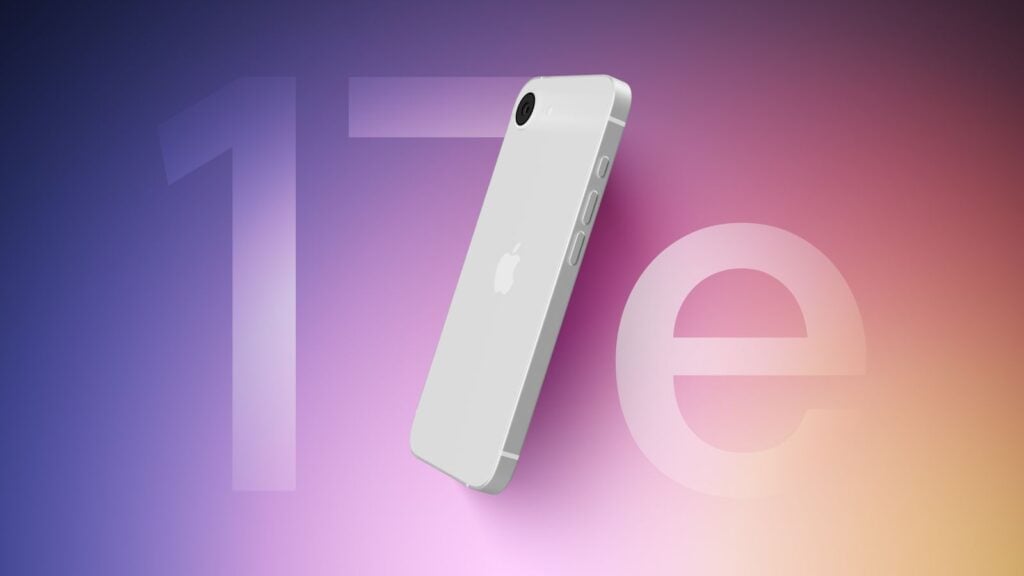
Apple’s budget-friendly iPhone 17e will launch in early 2026 with Chinese manufacturer BOE as the primary OLED supplier, though modest shipment targets suggest cautious expectations for the entry-level model.
Table of Contents
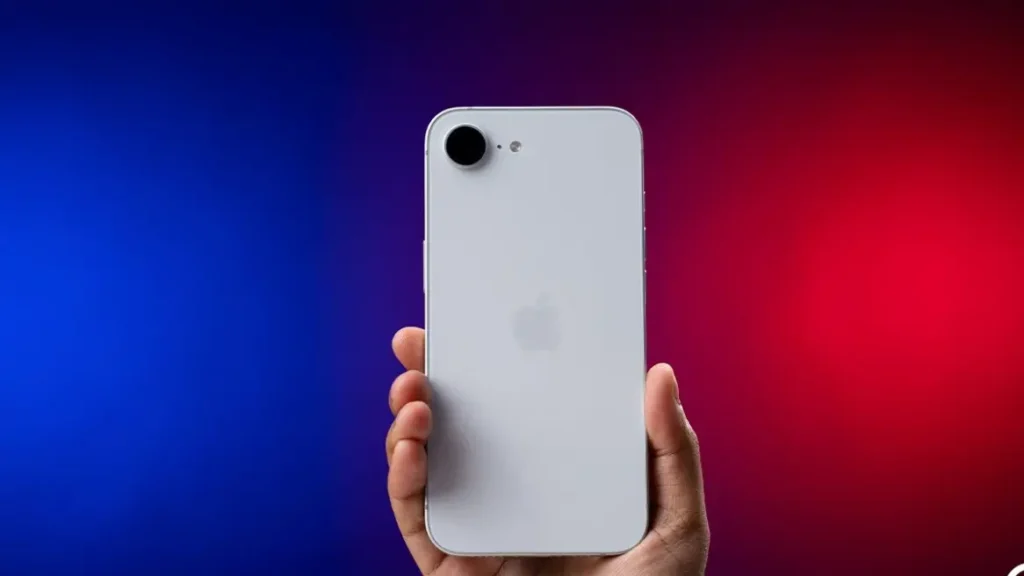
iPhone 17e OLED Supply Breakdown
| Specification | Details |
|---|---|
| Launch Window | H1 2026 (Early 2026) |
| Estimated Shipments | 8 million units |
| Primary Supplier | BOE (China) |
| Secondary Suppliers | Samsung Display & LG Display |
| Display Type | LTPS OLED (not LTPO) |
| Display Size | 6.1-inch, 60Hz refresh rate |
Why BOE Won the Contract
Despite struggling with iPhone 17 flagship orders—where the company’s share collapsed to just 1.4% due to quality control issues—BOE secured the lead supplier role for the iPhone 17e by focusing on simpler LTPS technology instead of advanced LTPO panels used in premium models.
Strategic Recovery: BOE successfully mass-produces LTPS displays, the same panel technology used in the iPhone 16e. This allows Apple to reuse proven manufacturing processes while keeping costs down for its budget line. Samsung and LG will supplement production but BOE handles the majority.
Cost Advantages: Manufacturing in China reduces component costs for Apple, crucial for maintaining competitive pricing in China’s massive smartphone market where local brands like Huawei pose fierce competition. Lower panel costs translate directly to better margins on each iPhone 17e sold domestically.
Modest Ambitions: The 8 million unit target for H1 2026 signals Apple isn’t expecting the iPhone 17e to be a blockbuster. For context, older iPhone SE models targeted 20 million first-year shipments. This conservative approach reflects Apple’s “e” strategy: reuse mature components paired with modern processors to serve price-conscious buyers without cannibalizing flagship sales.
What to Expect from iPhone 17e
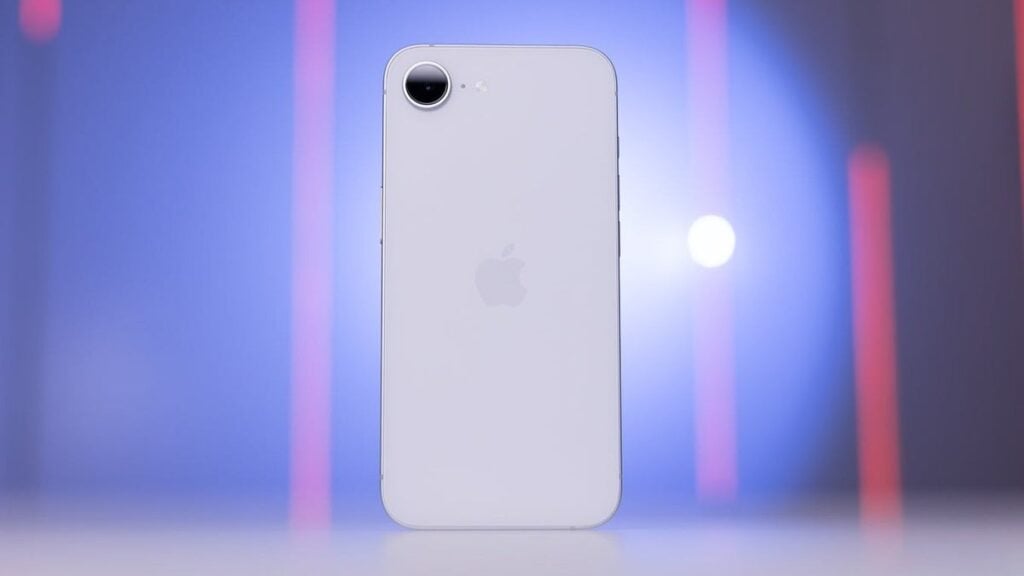
The device will retain the 6.1-inch display with 60Hz refresh rate and likely feature thinner bezels compared to the iPhone 16e. Rumors suggest upgrades including the A19 chip and potentially Dynamic Island, though implementing Dynamic Island would require significant retooling that contradicts the cost-saving strategy.
The iPhone 17e represents Apple’s continued commitment to offering affordable options while navigating complex supply chain dynamics and geopolitical pressures affecting display manufacturing.
Read more tech news and explore detailed analysis visit at TechnoSports.
FAQs
Why is BOE the lead supplier despite quality issues with iPhone 17?
BOE can reliably produce simpler LTPS panels for the 17e, while its problems involve advanced LTPO technology used in flagship models.
Will the iPhone 17e be worth buying over the iPhone 16e?
Expect incremental improvements like thinner bezels and a newer chip, but not revolutionary changes—it’s designed as an affordable option, not a flagship alternative.