Bluepoint Games’ shelved God of War sequel represents one of gaming’s biggest missed opportunities. After years of development, Sony’s legendary remake studio pivoted away from the Norse saga, leaving fans wondering what could have been. This cancellation reshapes expectations for PlayStation’s gaming roadmap and signals a strategic shift toward live-service titles over single-player epics—a decision that’s dividing the Indian gaming community hard.
Table of Contents
Why This Matters in March 2026
The canceled Bluepoint God of War project hits different in 2026 because PlayStation is facing mounting pressure to deliver blockbuster exclusives. With Xbox Game Pass dominating subscription gaming and competition from BGMI and free-to-play titans, Sony’s reliance on premium single-player games is under scrutiny.
For Indian console gamers who’ve invested ₹50,000+ in PS5 hardware (available via Amazon India Gaming and Flipkart), this cancellation stings—it’s fewer reasons to justify that investment against cheaper gaming PCs or mobile alternatives. The decision also reveals Sony’s internal conflict: Bluepoint wanted to push creative boundaries, but corporate mandates demanded monetizable, online-connected experiences instead.
The Bluepoint Pivot: From Remakes to Live Service
Bluepoint Games built its reputation on pixel-perfect remasters—Shadow of the Colossus, Demon’s Souls. The God of War sequel would’ve been their first original AAA title, a chance to prove they could craft narrative-driven experiences, not just polish existing ones. According to reports, the project had 2-3 years of development time invested before cancellation.
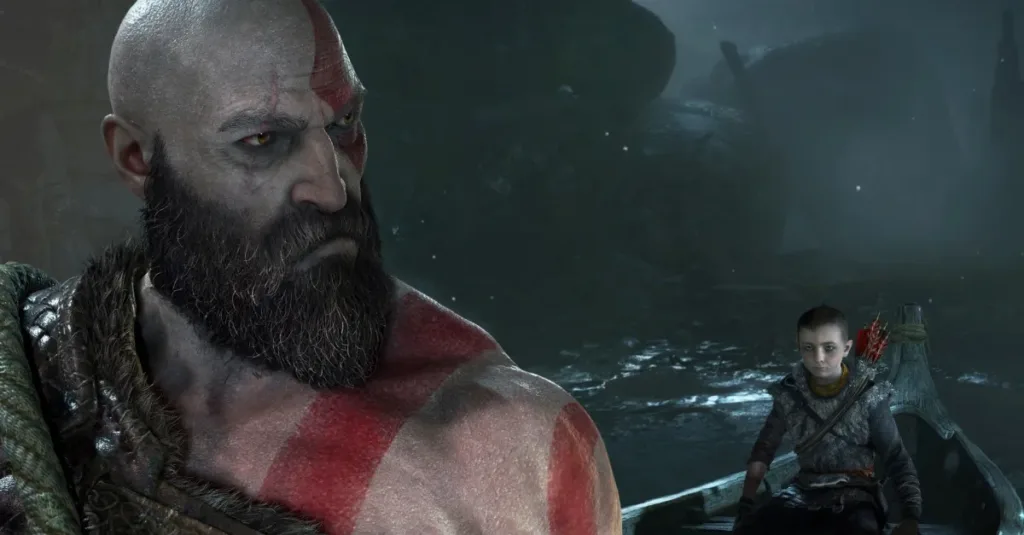
The team reportedly wanted to explore Atreus’s journey deeper into Greek mythology, moving away from Kratos’s Norse saga toward fresh storytelling. However, Sony’s corporate strategy demanded live-service elements—seasonal content, battle passes, cosmetic monetization—which clashed with Bluepoint’s vision of a focused, complete narrative experience. The studio ultimately chose to pivot toward an unannounced live-service title instead, leaving the God of War universe in limbo.
What Fans Are Speculating: The Hades Connection
The “Atreus to Hades” angle isn’t accidental—fans are theorizing Sony might greenlight a Supergiant Games collaboration or indie-backed God of War spinoff exploring the underworld. Supergiant’s Hades (available on Steam) proved roguelike mythology games resonate globally, and Atreus’s arc naturally leads toward Hades’ domain.
Some Reddit communities speculate Sony could hand the franchise to smaller studios like Rogue Games or Annapurna Interactive, reducing budget risk while maintaining creative control. Others believe the cancellation signals a multi-year hiatus for God of War—not returning until PS6 era (2028-2030). The most grounded theory? Sony’s keeping God of War in cold storage for a 10th-anniversary relaunch in 2028, bundled with a live-service multiplayer component nobody asked for.
PlayStation’s Live-Service Gamble: The Real Story
This cancellation isn’t really about God of War—it’s about Sony doubling down on live-service games after Concord‘s catastrophic failure (shut down after 2 weeks, costing ₹200+ crore). Bluepoint’s pivot signals Sony wants guaranteed recurring revenue, not one-time ₹5,000 game purchases.
For Indian gamers on limited budgets, this is bad news: live-service games demand continuous spending on battle passes (₹500-1,200 per season) and cosmetics, while single-player games offer complete experiences upfront. Esports India communities are already discussing whether this trend makes console gaming unsustainable versus investing in gaming PCs (₹80,000-₹2,00,000+) or sticking with mobile gaming’s free-to-play dominance.
Comparison: God of War Alternatives for 2026
| Game/Platform | Type | Price (₹) | Best For | Rating |
|---|---|---|---|---|
| God of War Ragnarök (PS5) | Single-Player Action | ₹3,999 | Narrative-driven gamers | ⭐ 9.5/10 |
| Helldivers 2 (PS5/PC) | Live-Service Co-op | Free-to-play | Squad-based gameplay | ⭐ 8.5/10 |
| Elden Ring (PS5/PC) | Action RPG | ₹3,999 | Challenge seekers | ⭐ 9.0/10 |
| Final Fantasy VII Rebirth (PS5) | Single-Player RPG | ₹4,999 | Story enthusiasts | ⭐ 9.2/10 |
| Dragon Age: The Veilguard (PS5/PC) | Single-Player RPG | ₹3,499 | Fantasy RPG fans | ⭐ 8.0/10 |
Pros and Cons
| ✅ Pros of Bluepoint’s Pivot | ❌ Cons of Bluepoint’s Pivot |
|---|---|
| Reduces financial risk for Sony on unproven original IP | Kills a highly anticipated God of War continuation |
| Live-service games generate recurring revenue streams | Indian gamers face higher lifetime costs (battle passes + cosmetics) |
| Allows Bluepoint to experiment with multiplayer design | Dilutes PlayStation’s single-player exclusive identity |
| Frees resources for other narrative projects | Leaves Atreus’s story unresolved for years |
Our Verdict
Bluepoint’s God of War cancellation is a strategic loss for PlayStation fans, especially in India where ₹50,000+ PS5 purchases demand strong exclusive justification. While live-service games offer long-term engagement, they’re not replacements for narrative-driven masterpieces.
Indian gamers should expect a 3-5 year wait before God of War returns, likely on PS6. Until then, top gaming laptops in India (₹1,20,000+) running Elden Ring or Final Fantasy VII Rebirth on emulation offer better value. Sony’s betting on live-service monetization—but history shows players want both, not either/or. The real story? PlayStation’s losing confidence in single-player exclusives, and that should worry every gamer holding a controller.