


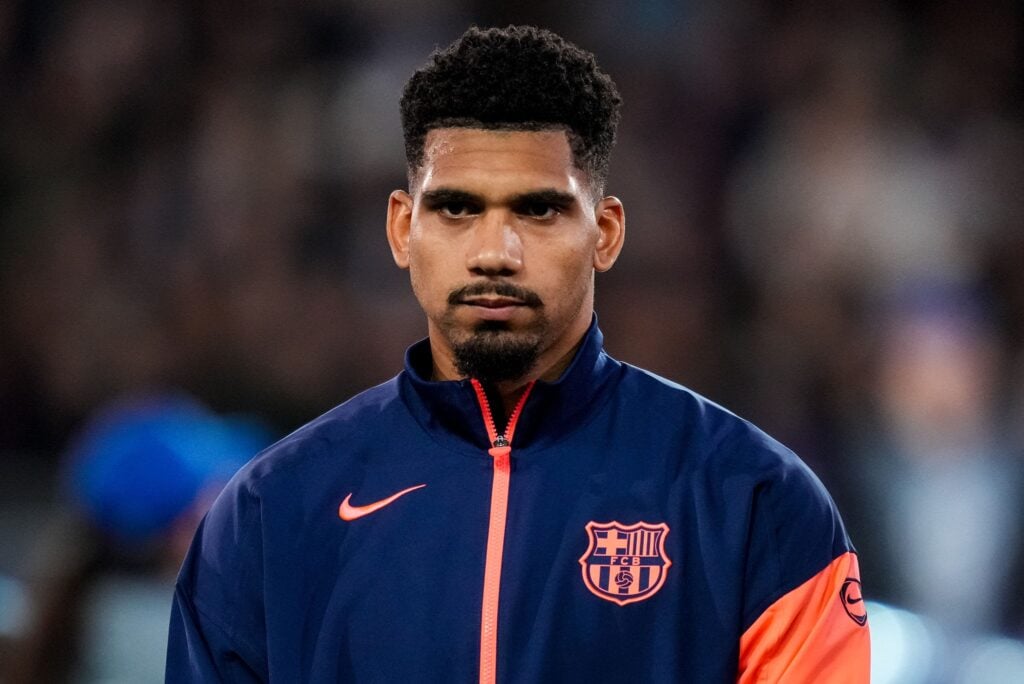
Barcelona captain Ronald Araujo has been granted an indefinite leave of absence by the Spanish club following a request from the Uruguayan defender to step away from football temporarily. The decision came after meetings between Araujo’s representatives and Barcelona sporting director Deco on Monday, December 2, 2025, marking a significant moment that highlights the growing acknowledgment of mental health challenges in elite football.
The 26-year-old centre-back has been absent from Barcelona training since the club’s devastating 3-0 Champions League defeat to Chelsea at Stamford Bridge on November 25, where he received a red card that proved pivotal in the match outcome. His departure from the squad comes at a crucial juncture of the season, with Barcelona currently leading La Liga but facing mounting pressure in both domestic and European competitions.
Table of Contents
The Chelsea Match That Changed Everything
Araujo’s troubles began during Barcelona’s Champions League encounter with Chelsea in London, a match that descended into disaster for the Catalan giants. The Uruguayan defender was shown his second yellow card and subsequently sent off just before halftime after a clumsy challenge on Chelsea’s Marc Cucurella. The dismissal left Barcelona to play the second half with 10 men, and Chelsea ruthlessly exploited their numerical advantage.

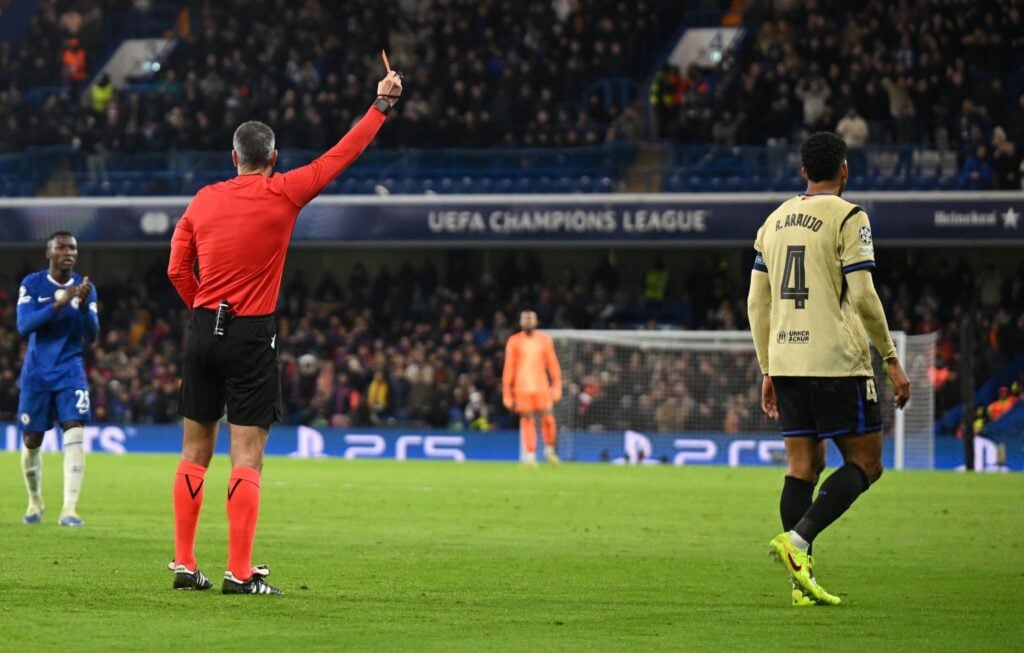
The match had already been challenging for Barcelona before Araujo’s red card, but his dismissal effectively ended any hopes of a comeback. Chelsea capitalized on their extra-man advantage in spectacular fashion, scoring three goals in the second half. The match finished 3-0 in Chelsea’s favor, with goals from Estevao and Liam Delap adding to an earlier own goal by Jules Kounde. The result left Barcelona in a precarious position in the Champions League and exposed defensive vulnerabilities that critics were quick to exploit.
For Araujo, the red card represented an uncharacteristic error from a player who has built his reputation on reliability and defensive solidity. The criticism that followed was swift and harsh, with social media platforms and traditional media outlets dissecting his performance and questioning his judgment. What many observers failed to recognize in their immediate reactions was the cumulative psychological toll such intense scrutiny can take on even the most resilient athletes.
The Request and Barcelona’s Response
According to reports from major Catalan newspapers including Mundo Deportivo, Araujo approached Barcelona through his agents to request time away from the team. The defender reportedly told club officials that he did not believe he could deliver the level of performance Barcelona required at the current moment. More significantly, he expressed concern that forcing himself to play could actually “hurt” the team rather than help it.
This level of self-awareness and honesty represents a mature approach to mental health that is increasingly necessary but still relatively rare in elite sports. Rather than attempting to push through or mask his struggles, Araujo recognized his limitations and sought the support he needed. His agents, Edoardo Mazzolari and Edoardo Crnjar, met with Deco at the Ciutat Esportiva training complex to formalize the request and discuss the defender’s wellbeing.
Barcelona’s response demonstrated the club’s commitment to supporting players through difficult periods. Deco granted Araujo’s wish to step away, with the club committing to give him “the time he needs” without setting a specific return date. This approach prioritizes the player’s full recovery over short-term competitive considerations, representing an enlightened stance on athlete welfare.
Speaking to the media on Tuesday, December 3, Deco provided an update while respecting Araujo’s privacy: “Araujo is doing well, he’s in his prime. I think he’s going to recover. It’s a specific moment and we’re not setting any date. It has to be a gradual process, recovering until he reaches his full potential.”
Hansi Flick’s Protective Stance
Barcelona manager Hansi Flick has been notably protective of Araujo throughout this situation, refusing to provide details that might compromise the player’s privacy or wellbeing. When questioned about the Uruguayan’s absence during Monday’s pre-match press conference ahead of the Atletico Madrid clash, Flick kept his response brief but revealing.
“Ronald is not ready at the moment. He has a private situation. I don’t want to say more, and please, also respect it. This is what I can say and what I want to say,” Flick stated in Portuguese. His careful, measured response made it clear that Araujo’s situation was neither a physical injury nor a disciplinary issue, but rather a personal matter requiring discretion and respect.
Flick’s handling of the situation reflects a growing understanding among coaches about the importance of mental health in sports. Rather than dismissing or minimizing Araujo’s struggles, the German manager has consistently emphasized the need for privacy and support. This approach stands in contrast to earlier eras when psychological challenges were often stigmatized or ignored entirely.
The manager initially cited a “stomach virus” as the reason for Araujo’s absence from the matchday squad for Barcelona’s 3-1 La Liga victory over Alaves on Saturday, November 30. However, subsequent reports revealed that this physical ailment was either secondary to or cover for the deeper psychological struggles the defender was experiencing.
Presidential Support and Public Backing
Barcelona president Joan Laporta publicly defended Araujo even before the full extent of his situation became clear. Speaking at an event in Andorra on Friday, Laporta offered strong support for his captain and pushed back against critics who had targeted the defender following the Chelsea match.
“He has been heavily criticised, and I don’t think that’s fair,” Laporta declared. “He gives his all on the pitch, he’s our captain, and now he needs to get through this difficult period because he’s a very emotional person with strong feelings. He’s had a tough time, and I want to tell him that we’re behind him, that he needs to turn the page because here we all win and we all lose, and no one person is responsible for defeats or victories.“
Laporta’s comments proved prescient, coming days before Araujo’s formal request for leave became public. The president’s characterization of Araujo as “a very emotional person with strong feelings” suggests club leadership understood the psychological pressures their captain was facing. By publicly supporting Araujo and acknowledging the unfair criticism he had endured, Laporta sent a clear message that Barcelona would stand behind their players through difficult moments.

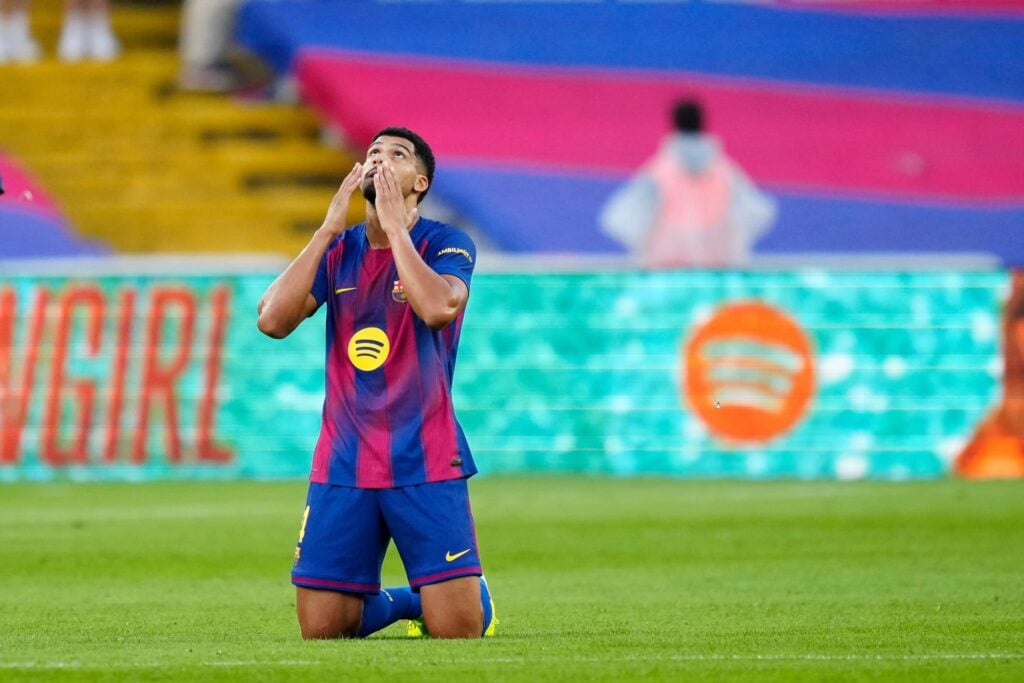
This institutional support extended beyond words. The club’s willingness to grant Araujo indefinite leave without pressure for a quick return demonstrates a genuine commitment to player welfare that transcends immediate competitive concerns.
Teammate Support and Locker Room Reaction
According to multiple reports, Araujo’s decision to request leave was met with full support from his Barcelona teammates. The defender is highly regarded in the locker room, valued not only for his defensive contributions but also for his leadership qualities and character. His position as one of the team captains reflects the respect his fellow players have for him.
The supportive reaction from teammates highlights the changing culture around mental health in professional sports. Rather than viewing Araujo’s request as weakness or abandonment, his colleagues recognized it as a courageous and necessary step. This collective understanding creates an environment where players feel safer acknowledging psychological struggles rather than suffering in silence.
Barcelona fans also rallied behind their captain. During Tuesday’s match against Atletico Madrid, supporters at the Camp Nou held up messages of support for Araujo, demonstrating that the club’s faithful understand the difference between criticizing a performance and supporting a person through difficulties. This public backing from the fanbase may prove crucial to Araujo’s recovery and eventual return.
Additionally, Araujo was spotted arriving at the Ciutat Esportiva training complex on Wednesday, though he has not yet resumed first-team training with his teammates. His presence at the facility suggests he remains connected to the club even while taking time away from formal team activities.
The Broader Context: Mental Health in Elite Football
Araujo’s situation reflects broader conversations about mental health challenges facing professional footballers. Elite athletes operate under extraordinary pressure—constant performance scrutiny, intense media attention, social media criticism, and the weight of supporter expectations. While the financial rewards are substantial, the psychological toll can be devastating.
Barcelona, specifically, carries particular weight in this conversation due to its tragic history with player mental health. In 2009, former Barcelona goalkeeper Robert Enke passed away after struggling with depression, some of his worst episodes occurring during his time in the Catalan capital. Enke’s death shocked football and raised awareness about mental health challenges in the sport, though progress in addressing these issues has been gradual.
The augmented pressure and scrutiny at the world’s top clubs has only intensified in the social media era. Players face immediate, often harsh criticism from millions of people after every mistake. The 24-hour news cycle and constant content demands mean errors are dissected endlessly, with slow-motion replays and tactical analysis amplifying individual moments of failure.
For Araujo, the Chelsea red card became such a moment—a single decision that spiraled into overwhelming criticism and self-doubt. The defender reportedly feared that the psychological weight of the error would compromise his ability to perform, potentially causing further harm to Barcelona’s collective efforts.
Barcelona’s supportive response to Araujo’s situation deserves recognition in this context. The club’s willingness to prioritize mental health over immediate competitive concerns sends an important message throughout football. By publicly backing Araujo and granting him time without pressure, Barcelona demonstrates that player wellbeing matters more than any single match or competition.
Araujo’s Barcelona Career and Importance
To understand the significance of Araujo’s absence, it’s essential to recognize his importance to Barcelona and his remarkable journey to becoming a key player for one of football’s most storied clubs. The Uruguayan defender joined Barcelona from his hometown club Boston River in 2018 for a modest fee, arriving as a relatively unknown prospect.
Araujo’s rise through Barcelona’s ranks represents one of the club’s most successful development stories of the past decade. He gradually earned opportunities with the first team, establishing himself as a regular by 2021. His combination of physical strength, defensive awareness, and improving technical ability made him an increasingly vital component of Barcelona’s defense.
The defender played a crucial role in Barcelona’s 2022-23 La Liga title triumph, forming the core of a defense that provided the foundation for the championship campaign. His performances earned him recognition as one of Europe’s premier young defenders and eventually led to his appointment as one of the team’s captains—a role that carries enormous prestige and responsibility at Barcelona.
This season, despite his current difficulties, Araujo has been central to Barcelona’s strong start under Hansi Flick. He has made 15-18 appearances across all competitions (reports vary slightly), contributing to seven clean sheets and maintaining an impressive 89% pass completion rate while winning the majority of his defensive duels. These statistics underscore his continued quality and importance to the team.
His absence creates a significant gap in Barcelona’s defensive structure. With Araujo unavailable, Hansi Flick has had to improvise, using left-back Gerard Martin in central defense alongside young prospect Pau Cubarsi, or turning to options like Andreas Christensen. While Barcelona possesses defensive depth, none of the alternatives quite replicate what Araujo brings—a combination of physicality, leadership, and big-game experience.
The Timing: Barcelona’s Crucial Period
Araujo’s leave of absence comes during a pivotal stretch of Barcelona’s season. The Catalan club currently leads La Liga, sitting atop the table after their victory over Alaves. A double from Dani Olmo and a strike from Lamine Yamal secured the 3-1 win that pushed Barcelona ahead of Real Madrid, who drew 1-1 with Girona.
However, Barcelona’s position at the summit remains precarious. They hold just a one-point advantage over Real Madrid and face significant challenges in maintaining their lead. The team has shown vulnerability in recent matches, with Flick himself acknowledging, “We are leaders but at the moment we are not at our best. We need to move forward to get back playing our best football. I think we are committing too many mistakes, despite having the quality to control matches.”
The absence of Araujo compounds these concerns. Barcelona faced fourth-placed Atletico Madrid on Tuesday in a match that could determine the trajectory of the title race. Diego Simeone’s Atletico entered the match just three points behind Barcelona with the league’s best defensive record, having lost only one of their 14 league matches while winning nine and drawing four.
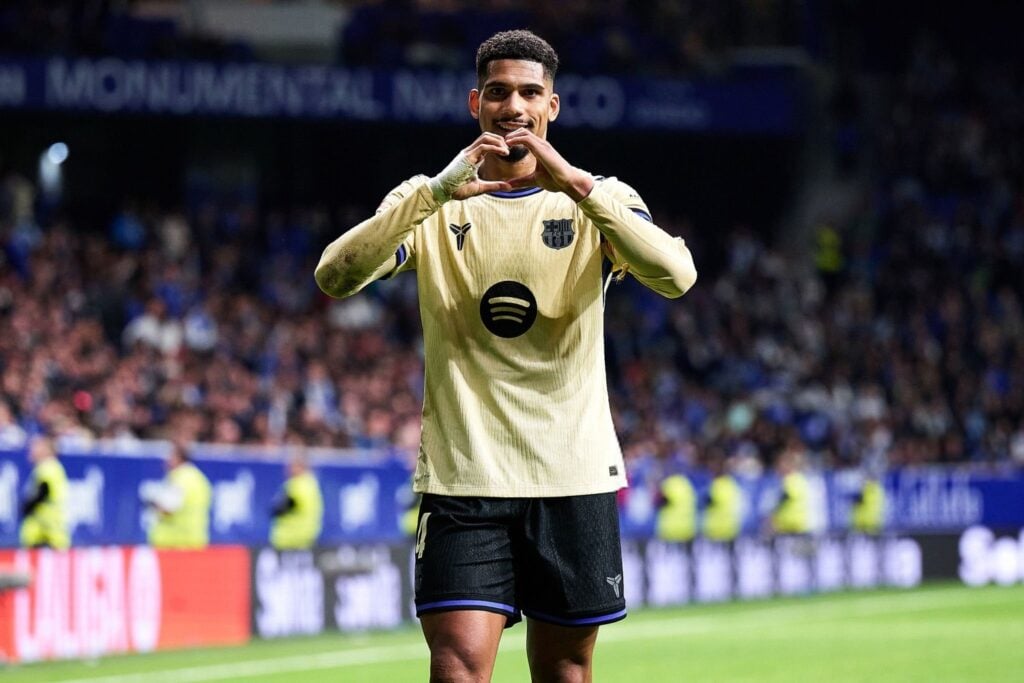
Looking ahead, Barcelona must navigate a demanding fixture schedule without their captain. The team’s ability to maintain their league position while competing in multiple competitions will be tested. The defensive line, already under scrutiny following the Chelsea collapse, must find cohesion and consistency without one of its most important leaders.
That said, Barcelona’s decision to prioritize Araujo’s wellbeing over short-term results reflects a mature institutional perspective. While his absence creates challenges, forcing a player to compete before he’s mentally ready could produce worse outcomes—both for the individual and the team.
Read More: Erling Haaland Becomes Fastest Player to Score 100 Premier League Goals in Just 111 Games
FAQs
Why has Ronald Araujo been granted leave of absence from Barcelona?
Ronald Araujo requested time away from football to recover mentally after struggling following his red card against Chelsea. Barcelona granted his request after his agents met with sporting director Deco, with the club committing to give him the time he needs without setting a specific return date.
What happened in the Chelsea match that affected Araujo?
Araujo was sent off for a second yellow card just before halftime in Barcelona’s 3-0 Champions League defeat to Chelsea on November 25, 2025. His dismissal left Barcelona with 10 men, and Chelsea scored three goals in the second half. The performance drew heavy criticism that deeply affected the defender.
How long will Araujo be absent from Barcelona?
There is no set date for Araujo’s return. Barcelona sporting director Deco stated they are “not setting any date” and that it will be “a gradual process, recovering until he reaches his full potential.” The club has prioritized his full recovery over establishing a timeline.
What did Barcelona’s president and manager say about Araujo’s situation?
President Joan Laporta said Araujo has been “heavily criticised” unfairly and declared the club is “behind him.” Manager Hansi Flick called it a “private situation” and asked for respect, declining to provide details while emphasizing that Araujo is “not ready at the moment.”
How important is Ronald Araujo to Barcelona?
Araujo is one of Barcelona’s captains and a crucial defender who has made 15-18 appearances this season, contributing to seven clean sheets with an 89% pass completion rate. He was instrumental in Barcelona’s 2022-23 La Liga title and has been central to their strong start this season under Hansi Flick.