If you buy regularly from Amazon or sell on it, brace yourself — a new cost is quietly creeping into the equation. Amazon has officially announced a fuel and logistics surcharge on third-party sellers, and the ripple effects could soon land right at your checkout screen.
Table of Contents
What’s Happening in Amazon?
Amazon is slapping a 3.5% fuel and logistics surcharge on third-party sellers using its fulfillment services starting April 17, 2026, in the US and Canada. ABC News The company cited surging fuel costs driven by the ongoing war in Iran as the primary reason for the move.
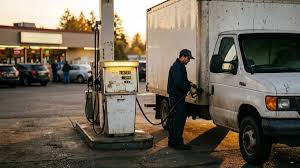
In a notice to sellers, Amazon wrote: “Elevated costs in fuel and logistics have increased the cost of operating across the industry.” CNBC It’s a familiar justification — but one that sellers and consumers are increasingly feeling the weight of.
Amazon Sales Key Dates & What’s Covered
| Effective Date | Service Affected | Region |
|---|---|---|
| April 17, 2026 | Fulfillment by Amazon (FBA) | US & Canada |
| April 17, 2026 | Remote Fulfillment with FBA | US → Canada, Mexico, Brazil |
| May 2, 2026 | Buy with Prime | US |
| May 2, 2026 | Multi-Channel Fulfillment (MCF) | US & Canada |
The surcharge will be calculated on fulfillment fees, not on the sale price of items. On average, this equates to approximately $0.17 per unit for US FBA orders, though it varies based on item size and dimensions. Amazon

Why Is Amazon Doing This Now?
The short answer: war-driven oil prices. West Texas Intermediate crude topped $111 per barrel, while global benchmark Brent crude was around $109, as investors assessed the duration and impact of the Iran conflict on global energy markets.
Amazon is joining a growing list of major logistics providers that are hitting shippers with price hikes. UPS and FedEx’s fuel surcharge rates continue to climb, and the US Postal Service plans to launch an 8% temporary price hike on package shipping starting April 26. Supply Chain Dive
Amazon, however, maintains that its surcharge is the most competitive. The company noted its surcharge is “meaningfully lower than other major carriers,” pointing to efficiency work already done across its network.
How Long Will This Last?
Nobody knows for certain — and sellers are rightfully skeptical. On industry discussion forums, one seller bluntly asked: “Has anyone ever seen a surcharge go away before on Amazon — even if the problem that causes it does?” EcommerceBytes Amazon’s own representative confirmed the surcharge will remain “until further notice” and will be reassessed as conditions evolve.
This is not the first time Amazon has done this. Back in April 2022, the company introduced a 5% fuel and inflation surcharge amid supply chain shocks and rising carrier rates Tech Startups — a pattern that feels eerily familiar.
What Does This Mean for Buyers and Small Sellers?
For the roughly 2 million third-party sellers relying on FBA, this is another dent in already thin margins. And while Amazon hasn’t explicitly said sellers will pass costs to consumers, the economic logic is straightforward — higher costs often mean higher prices at checkout.
If you’re a seller looking for ways to manage your e-commerce costs, or a buyer watching out for price creep, staying informed is your best defence. Check out our latest coverage of global tech and e-commerce trends on TechnoSports to stay ahead of the curve.
Also, if you’re evaluating your Amazon selling strategy in light of these changes, don’t miss our guide to top e-commerce and tech business tips on TechnoSports.
FAQs
Q: When does Amazon’s fuel surcharge take effect for FBA sellers?
Amazon’s 3.5% fuel and logistics surcharge applies to FBA sellers in the US and Canada starting April 17, 2026, with Buy with Prime and MCF sellers following on May 2, 2026.
Q: Will Amazon’s fuel surcharge increase the prices of products for buyers?
While Amazon calculates the surcharge on fulfillment fees rather than product sale prices, sellers operating on thin margins may pass on the extra cost, potentially nudging consumer prices upward over time.