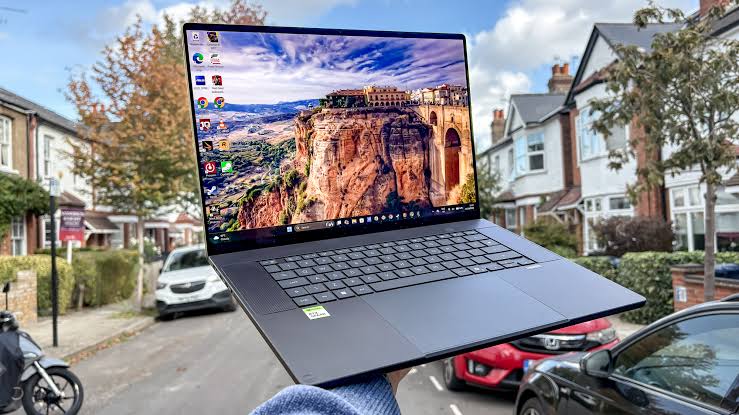
RTX Spark laptops introduce a new hardware tier for offline AI workloads. They’re scheduled to launch on Sunday, October 18, 2026, after NVIDIA partner manufacturers officially announced them on September 12, 2026.
Industry analysts say early adopters will drive sales, according to Tom's Guide. We contacted IDC device research leadership to learn where the platform fits in the current market. The conversation points to a clear divide between professional workflows and traditional consumer electronics.

Who Actually Needs Rtx Spark Laptops Right Now?
“These are outside the budget and needs of mainstream users, for now.”
Machine learning engineers and independent software developers building local neural networks are the main target audience. These professionals need dedicated graphics processing units to train massive datasets without relying on the cloud. These machines are built for specialized professionals who need immediate computational feedback during development. Early testing shows that integrated AI accelerators cut model compilation times compared with standard architectures. Content creators handling high-resolution video rendering can also benefit from the raw parallel processing power. Casual gamers and office workers, however, rarely run workloads that need this much sustained power. For everyday media and basic productivity software, the platform simply isn’t worth the cost.
What Specifications Define The Current Generation Of Ai Workstations?
Supply chain documentation describes an internal configuration designed to maximize throughput for complex algorithms. The hardware ecosystem pairs an Intel Core Ultra 9 285H processor with substantial system memory. With thirty-two gigabytes of fast LPDDR5X RAM, engineers can run multiple virtual environments at once.
Two terabytes of rapid NVMe storage can hold sprawling project files without bottlenecks. The sixteen-inch organic light-emitting diode displays run at two hundred and forty hertz, with features like DLSS RTX Spark to optimize frame delivery. The high refresh rate makes visuals smoother, but the underlying silicon architecture matters more. Battery capacity reaches about ninety-nine point nine watt-hours, supporting extended fieldwork away from wall outlets.
How Do Premium Pricing Models Impact Consumer Adoption Rates?
Pricing strategies shape purchasing decisions across economic segments. Initial NVIDIA RTX Spark announcements indicate that enterprise procurement teams reportedly receive most early inventory, while converted rupee equivalents come to about ₹1.9 lakh.
These platforms are well beyond the budget of most households. The latest Apple MacBook Pro still leads the creative sector, leaving room for AMD and Samsung to gain secondary market share among gamers and streaming enthusiasts. With prices this high, manufacturers must rely on enterprise contracts instead of impulse retail purchases.
Will Rtx Spark Laptops Replace Cloud Computing Subscriptions?
Concerns about data sovereignty push many enterprises toward local processing infrastructure. Running demanding computational tasks on physical hardware eliminates recurring subscription fees and third-party data privacy risks. Developers can iterate quickly without depending on an outside network or dealing with bandwidth throttling.
Still, this generation can’t match the sheer scale of hyperscale server farms. Local inference works efficiently for smaller models, but it can’t replace distributed cluster training for reportedly billion-parameter architectures. We expect gradual improvements as software catches up with hardware limitations, reportedly over the next eighteen months.
RTX Spark laptops mark a strategic move toward specialized professional hardware, not broad consumer appeal. Their premium prices and targeted specifications make them a fit for niche industrial applications.
As software ecosystems mature, wider compatibility could eventually bridge the gap between professional workstations and personal computers. For now, these remain specialized tools for people willing to pay for local processing power.
FAQs
Who are rtx spark laptops designed for?
These devices are built for machine learning engineers, AI researchers, and professional content creators who need offline computing power. Casual users and standard office workers aren’t the target audience. When will the base model become widely available? The official launch date is Sunday, October 18, 2026, though initial inventory favors enterprise procurement teams over retail customers. How much does the entry-level configuration cost? The starting Tom's Guide
Was this article helpful?
Your feedback directly improves future articles on this site.