NAM321/6 (50 ov)
 IRE
 RAY
 ELC
 GMB
 ZMB
 NGA
 LES
 CAG
 BOL
 COMO
 SAS
 FCA
 FCU
 KOE
 S04
 M05
 SVW
 MOZ19
 UGA23/0 (0.5/20 ov, target 20)
 NZ180/5
 IND181/6 (19.5/20 ov, target 181)
 Ipswich1
 Nottm Forest1
 Alavés1
 Málaga1
 WA105/3 (18.5/50 ov, target 372)
 NSW371/8
 DEN
 KUW
 KENYA
 QAT
 SWD-W
 EPR-W
 TTN-W
 WPR-W
 BOR
 WAR15/1 (2.5/20 ov)
 LIONS
 Limpo21/1 (2.5/20 ov)
 NZ-A135/3 (41 ov)
 IND-A113
 DHA293/3 (84.1 ov)
 RAJ
 MYMS
 CHATT
 RAN320/5 (80 ov)
 BAR
 MEX-W
 ARG-W
 UAE
 NED
 PAK
 ENG
 IND-W
 ZIM-W
 AFG170/3 (34.3/50 ov, target 170)
 ZIM169
 RBL
 ELV
 SCP
 HSV
 Torino3
 Monza2
 Brest1
 Nice2
 Stuttgart2
 Gladbach3
 Al Ahli4
 Al Khaleej1

When the Volkswagen Supervisory Board approves a workforce reduction plan, the ripples affect global manufacturing stability and economic output across Europe. The restructuring plan was linked to Volkswagen AG’s broader cost-cutting program announced in late 2024, aiming to save roughly €4 billion annually to combat narrowing profit margins.
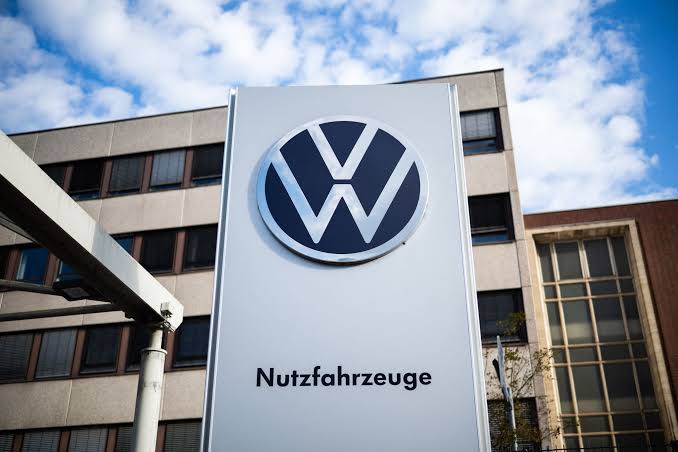
Why Did Volkswagen Approve This Massive Workforce Reduction Plan?
Volkswagen Group CEO Oliver Blume oversaw the restructuring strategy as part of a broader turnaround effort for the brand after financial pressures mounted significantly. The Supervisory Board approved a workforce reduction plan targeting approximately 35,000 job cuts across German plants to address severe structural imbalances.
Which German Manufacturing Plants Face the Highest Risk?
Volkswagen operates approximately 10 manufacturing facilities in Germany, several of which faced potential downsizing or closure discussions during protracted board negotiations. The main Wolfsburg plant, recognized globally as the world’s largest car factory by area, was identified as one of the primary sites affected by the headcount reductions.
Workers at this massive facility and surrounding regional sites absorb the brunt of the consolidation efforts. Worth noting: manufacturing efficiency across these domestic hubs dropped behind foreign competitors, prompting management to act.
How Are Labor Unions Responding to the Restructuring Strategy?
The German metalworkers’ union IG Metall represented Volkswagen workers in intense negotiations over the restructuring terms and severance packages. The Works Council, led by Daniela Cavallo, played a central role in negotiating worker protections within the approved plan to limit forced redundancies.
Union leaders pushed back against plant closures, forcing executives to rely primarily on early retirement schemes and voluntary departure incentives. That said, tensions remain high as union representatives monitor the implementation of these sweeping administrative cuts.
What Caused the Sudden Decline in Volkswagen’s Profitability?
The cuts were partly driven by declining demand for Volkswagen’s electric vehicles, including the ID.3 and ID.4 models, in key European markets. Slower-than-expected consumer adoption rates left assembly lines underutilized and bloated overhead expenses unsupported by incoming revenue. Analysts note that high energy More on Volkswagen Supervisory Board Approves wo as the story develops.
What Lies Ahead for Volkswagen and Its Global Workforce?
The approved restructuring positions the automaker to streamline operations through the end of the decade, provided labor relations remain stable. Executive leadership intends to reinvest savings from the workforce reduction plan into next-generation battery technology and software development. Industry observers will closely watch whether these internal adjustments restore profit margins to competitive levels against emerging global rivals.
Related Articles
- Volkswagen Pickup Truck For America 2026: Build Plan
- eBikeGo Unveils Plan for 50 Integrated Bicycle Stores Across India
- Every Actor in Om Was Plan A — Director Rajkumar Periasamy Reveals All
FAQs
What is the primary goal of the Volkswagen cost-cutting program?
How many jobs are affected by the approved reduction plan?
The plan targets approximately 35,000 job cuts across various manufacturing facilities located in Germany.
Which labor union negotiated on behalf of the workers?
The German metalworkers’ union IG Metall, alongside Works Council leader Daniela Cavallo, represented the workforce during negotiations.
Which facility is most impacted by the restructuring?
The main Wolfsburg plant, recognized as the world’s largest car factory by area, stands as one of the primary sites affected by headcount reductions.
Was this article helpful?
Your feedback directly improves future articles on this site.