
 NZ
 IND
 NAM
 IRE
 MOZ
 UGA
 Aston Villa
 Man City
 Rayo
 Elche
 GMB
 ZMB
 NGA
 LES
 Cagliari
 Bologna
 IPS1
 NFO1
 ALA1
 MCF1
 TOR3
 MON2
 BRE1
 NICE2
 TAS129/7 (23.3/35 ov, target 276)
 VIC304/7 (50 ov)
 WA
 NSW38/1 (9/50 ov)
 NZ-A135/3 (41 ov)
 IND-A113
 DHA
 RAJ
 MYMS
 CHATT
 RAN
 BAR
 SYL
 KHU
 MEX-W
 ARG-W
 UAE
 NED
 AFG170/3 (34.3/50 ov, target 170)
 ZIM169
 IND-W200/1 (27.1/50 ov, target 198)
 ZIM-W197
 DOLPH56/0 (3.5/8 ov, target 56)
 SWD51/4 (8/8 ov)
 WSW1
 BRI1
 Como
 Sassuolo
 Augsburg
 Union Berlin
 Cologne
 Schalke
 Mainz
 Bremen
 RB Leipzig
 Elversberg
 VFB2
 BMG3
 AHL4
 KHA1

Until last week, an entire network of AI-generated news channels operated on YouTube in plain sight — fronted by real, paid human actors who gave synthetic content a trustworthy face.
That arrangement has now collapsed. YouTube removed 20 channels after Semafor investigators traced the network and exposed how it hired genuine people to present deceptive, machine-written news. The report, subsequently covered by The Next Web, has become the clearest case yet of how bad actors exploit the gap between platform detection systems and human presentation.
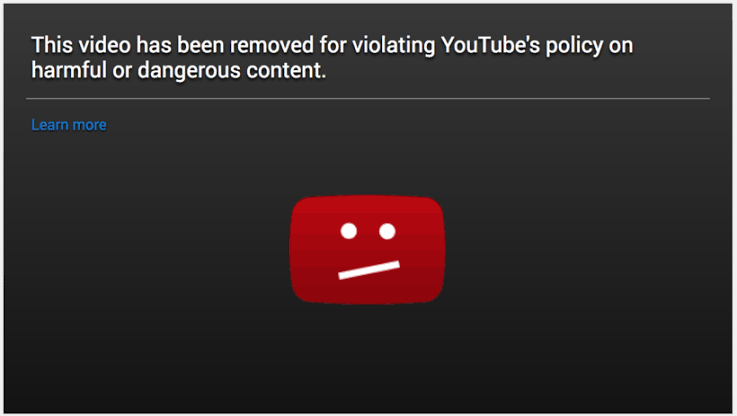
Semafor ai: Before the Crackdown: A Network Built on Loopholes
For months, the network functioned like a legitimate media operation. Real actors were hired to read scripts on camera, lending the videos an authentic, broadcast-quality appearance. Behind the scenes, the content itself was generated by artificial Intelligence — scripted, voiced, and scaled at a pace no human newsroom could match.
Worth noting: this design was deliberate. YouTube’s automated systems flag fully synthetic channels, but they struggle when a verified human face sits in front of the camera. The actors became the loophole. Viewers saw a person they could trust; the platform saw a human creator; the operators saw scale. Meanwhile, legitimate creators — from journalists to entertainers like David Letterman to Interview subjects on Netflix — compete in the same ecosystem under far stricter scrutiny.
The Catalyst: How the Investigation Unfolded
Semafor’s reporting traced the network’s structure, connecting the channels to a shared operation and documenting the practice of paying actors to front AI-written news.
The Next Web then amplified the findings, detailing how these ghost creators bypassed AI detection through paid human presenters. The evidence was specific enough that YouTube acted. The platform removed all 20 channels tied to the network, a decisive enforcement action following the publication of the investigation.
After the Purge: What Changes Now
The removals mark a shift in how platforms treat hybrid content. Here’s the thing: the before-and-after is stark.
| Aspect | Before Investigation | After Removals |
|---|---|---|
| Channel status | Active, monetised | 20 channels removed |
| Front faces | Paid human actors | Operation exposed |
| Detection | Bypassed AI flags | Human scrutiny triggered action |
| Viewer trust | Borrowed from real presenters | Publicly documented as deceptive |
The case also lands at a crowded moment for YouTube content, where genuine productions — EXCLUSIVE: Christopher Nolan-Matt Damon-Tom Holland coverage, festival reports like The Odyssey Heads to Mumbai, and film verdicts such as The Rip Reviews Are in — rely on real accountability that synthetic networks deliberately avoid.
The Verdict: Human Faces Are No Longer Proof
The lesson cuts against intuition: seeing a person on camera proves nothing about the content behind them. Platforms will likely tighten verification around presenter identity and disclosure, and audiences should treat unfamiliar news channels with the same scepticism they apply to forwarded messages.
If you want news you can trust, pick outlets with named editorial staff and a track record — not a polished face reading a machine-written script. The Semafor AI investigation may have taken down 20 channels, but the playbook it exposed will resurface until detection catches up.
Related Articles
- The Rip Cast Guide: Matt Damon & Ben Affleck Lead Netflix's Explosive Cop Thriller
- The Rip Trailer Out: Matt Damon and Ben Affleck Star in Gritty Netflix Thriller
- The RIP: Matt Damon & Ben Affleck Reunite for Netflix Thriller –…
FAQs
How many channels did YouTube remove?
YouTube removed 20 channels following the Semafor investigation into the AI news network.
Why did the network hire real actors?
Real actors fronted the content to bypass YouTube’s AI detection systems, which flag fully synthetic channels but struggle to identify deception when a human presenter appears on camera.
Who exposed the network?
Semafor traced the network and its use of paid actors, and The Next Web covered the findings about ghost creators evading detection.
Was this article helpful?
Your feedback directly improves future articles on this site.




