SA329 (82.3 ov)
 AUS
 BAN177/3 (59 ov)
 WI
 IND-W
 ZIM-W
 FC Goa
 SCD
 MIL
 BOL
 PAR
 UDI
 VEN
 INT
 GEN
 JUV
 MON
 NAP
 UAE
 OMA
 AS Roma4
 Cagliari2
 Torino1
 Como3
 Sassuolo2
 Lazio6
 AFG177
 ZIM140 (19.1/20 ov, target 178)
 DEN
 QAT
 KENYA
 KUW
 SIKM184 & 15/0 (8 ov, target 212)
 NAGA187 & 208
 JHK131/4 (47 ov)
 DELHI515/5d
 ODSA194
 SVCS13/0 (5 ov)
 BRODA616
 J & K87/4 (35 ov)
 CHD685/5d
 HP198/1 (58 ov)
 CGR216/8 (95 ov)
 AP231
 HYD294/4 (91 ov)
 PNJB431
 KNTKA429/8 (131 ov)
 TPURA194
 ENG
 SL
 POA
 SPR
 BRB
 VAG
 LIONS
 EASTN
 WELL
 OTAGO
 PAK110
 NAM316/7
 IRE253 (44.5/50 ov, target 317)
 NZ198/3
 IND199/4 (13.2/20 ov, target 199)
 NED371/5
 AUCK361/5 (50 ov)
 CANT311 (44.1/46 ov, target 345)
 Al Khaleej
 Al Hazem
 Frosinone
 Lecce
 Abha0
 Al Faisaly1
 Fleetwood Town1
 Arsenal1
 Bradford2
 Peterborough0

Warren Spector retiring was reportedly confirmed on Wednesday, August 19, 2026, when the legendary designer announced he is stepping away from game development for good.
This matters because Spector isn’t just another veteran calling it quits—he’s the architect of the immersive sim, the man who shaped how an entire genre thinks about player freedom. His departure leaves a question hanging over the industry: who carries that philosophy forward?
Spector broke the news on LinkedIn with characteristic candor. “Let me cut right to the chase. I’m retiring from game development,” he wrote. “At least I think so.
I’ve been here before and changed my mind, but this time I’m pretty sure I mean it.” In a later conversation with PC Gamer, he elaborated on his reasoning, explaining that he’s “feeling like I’ve done what I set out to do.” After nearly 44 years in the business, that sense of completion feels earned.
The Legacy Behind Warren Spector Retiring
The numbers tell only part of the story. Spector’s career spans tabletop RPGs, board games, and digital titles that redefined their categories. He led teams ranging from a dozen people to 800, worked inside massive corporations and scrappy startups, and mentored countless developers along the way.
But the games are what endure. Ultima Underworld gave us real-time first-person dungeon crawling. System Shock fused that with systemic simulation. Deus Ex then pulled it all together—a conspiracy thriller where every locked door, every conversation, and every skill point opened a different path through the same story.
Here’s the thing: even his supposedly weaker entries deserve a second look. Deus Ex: Invisible War took flak for streamlining, but its world-building held up. Thief: Deadly Shadows, meanwhile, delivered some of the stealth genre’s most memorable levels.
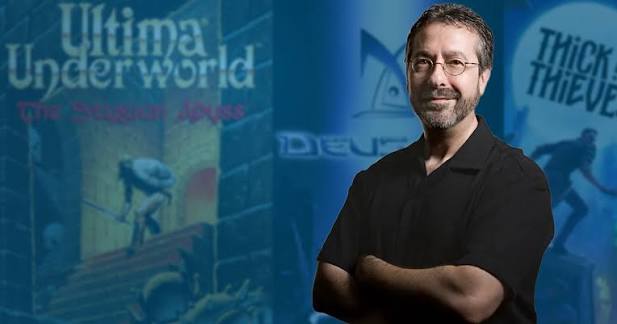
Spector himself said he wouldn’t change a thing about his career. Given the body of work, it’s hard to argue with him. The root cause of this retirement isn’t a scandal or a corporate dispute—it’s simpler and more human than that.
Spector cited age and health as factors catching up with him. “I’ve worked for big companies and done startups,” he wrote. “I like to think I’ve helped some insanely talented people along in their careers.
That last is the most important. “For a designer who spent four decades pushing against convention, the decision feels less like surrender and more like a deliberate final move.
What Fills the Void Spector Leaves Behind
The industry now faces a genuine problem: immersive sims are notoriously hard to make, expensive to market, and risky to greenlight. Who picks up that torch? The answer, thankfully, isn’t a single successor but a constellation of them.
Arkane Studios has spent years refining the Dishonored and Prey formula, carrying Spector’s systemic DNA into modern hardware. Independent studios like WolfEye Studios—founded by Spector’s former collaborator Raphaël Colantonio—are keeping the spirit alive on a smaller budget.
Even mainstream hits like Baldur’s Gate 3 lean into the emergent, consequence-driven design Spector championed.
| Successor Path | Strength | Trade-off |
|---|---|---|
| AAA studios (Arkane) | Big budgets, polish | Corporate pressure, franchise fatigue |
| Indie studios (WolfEye) | Creative freedom | Limited scope, niche reach |
| Mainstream adoption | Wider audience | Dilutes core immersive sim identity |
None of these paths is perfect. AAA development often sands down the rough edges that make immersive sims special. Indie budgets cap ambition. Mainstream adoption risks watering down the philosophy into checklist-driven “choice mechanics.” But that’s the nature of legacy—it gets reinterpreted, not preserved in amber. The Road Ahead for the Genre
Spector’s retirement doesn’t sound a death knell for the immersive sim; it sounds a changing of the guard. The systems-driven, player-authored storytelling he pioneered has become a baseline expectation across modern gaming. From emergent physics puzzles to branching narratives, his fingerprints are everywhere.
And his own words suggest a man at peace: after 44 years, he’s earned the right to stop. The genre he built will keep evolving, carried by the developers he mentored and the design language he codified.
Warren Spector retiring is a goodbye to a singular voice, but the conversation he started is far from over.
If you love games that respect your intelligence, Spector’s catalog remains essential reading—and his influence will outlast any single retirement announcement.
Related Articles
- Helldivers 2 Sends Players Into the Void to Fight the Illuminates
- Phantom Blade Zero Deep Dive Unveils Dozens of Weapons and
- Ronaldo vs Messi: Who Has Better EA FC 27 Ratings
FAQs
Q: When did Warren Spector announce his retirement?
A: Warren Spector reportedly announced his retirement on Wednesday, August 19, 2026, through a LinkedIn post and a subsequent interview with PC Gamer.
Which games is Warren Spector best known for?
A: He is best known for his leading roles on Ultima Underworld, System Shock, and Deus Ex, alongside later titles like Thief: Deadly Shadows.
Why is Spector retiring now?
A: Spector cited his age and health catching up with him, along with a genuine feeling that he has accomplished what he set out to do in his career. Stay tuned for more on Warren Spector retiring.
Was this article helpful?
Your feedback directly improves future articles on this site.