
 NAM321/6 (50 ov)
 IRE
 RAY
 ELC
 GMB
 ZMB
 NGA
 LES
 CAG
 BOL
 COMO
 SAS
 FCA
 FCU
 KOE
 S04
 M05
 SVW
 MOZ19
 UGA23/0 (0.5/20 ov, target 20)
 NZ180/5
 IND181/6 (19.5/20 ov, target 181)
 Ipswich1
 Nottm Forest1
 Alavés1
 Málaga1
 WA105/3 (18.5/50 ov, target 372)
 NSW371/8
 DEN
 KUW
 KENYA
 QAT
 SWD-W
 EPR-W
 TTN-W
 WPR-W
 BOR
 WAR15/1 (2.5/20 ov)
 LIONS
 Limpo21/1 (2.5/20 ov)
 NZ-A135/3 (41 ov)
 IND-A113
 DHA293/3 (84.1 ov)
 RAJ
 MYMS
 CHATT
 RAN320/5 (80 ov)
 BAR
 MEX-W
 ARG-W
 UAE
 NED
 PAK
 ENG
 IND-W
 ZIM-W
 AFG170/3 (34.3/50 ov, target 170)
 ZIM169
 RBL
 ELV
 SCP
 HSV
 Torino3
 Monza2
 Brest1
 Nice2
 Stuttgart2
 Gladbach3
 Al Ahli4
 Al Khaleej1
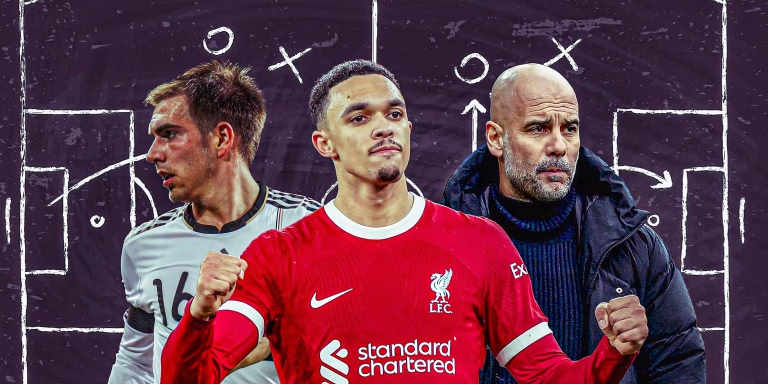
Liverpool FC shifted their tactical style during the 2025/2026 Premier League season by adopting the inverted full-back approach under manager Arne Slot.
With Trent Alexander-Arnold drifting into central midfield, the team created a strong double pivot that transformed their build-up play. This change shifted their strategy from traditional wide-crossing roles to a more centralized, possession-focused game.
The impact of this tactical change was clear in the numbers. Liverpool boosted their average possession to 61.2% during the 2025/2026 season, a noticeable increase from the 55.9% the year before. This transition, which Sky Sports tactical analysts identified as a key part of Slot’s philosophy, improved both their defensive stability and attacking fluidity in the midfield. When Liverpool had the ball, Alexander-Arnold played as a situational midfielder—often dubbed a “double six”—creating passing lanes that pressured opposing defenses to tighten their shape. This compression opened up space on the wings for wingers like Cody Gakpo and Federico Chiesa to exploit.
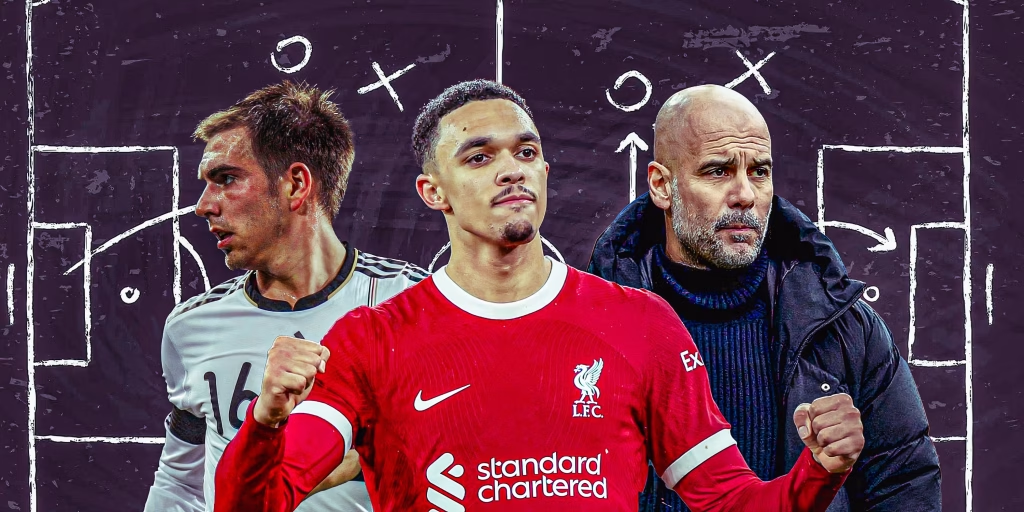
This system hinges on precise positional discipline, heavily borrowing from “Juego de Posición” principles. Instead of rushing forward right after winning the ball, the team now takes its time, patiently probing defensive lines and picking the right moment to attack.
In this formation, Alexander-Arnold supports the midfield alongside Fabinho, while Jordan Henderson and Curtis Jones act as wide 8s. This setup effectively forms a situational back three during high-possession moments, providing a solid safety net against counter-attacks.
The tactical sophistication also reaches the left side. Andrew Robertson and his backup Kostas Tsimikas switch between inverting or stretching wide, depending on what the match requires.
This adaptability means opponents can’t just focus on neutralizing Alexander-Arnold on the right. By making defenders track multiple movement patterns, Liverpool creates confusion in the final third. The inverted formation allows Alexander-Arnold to cut inside, offering another avenue for attack and making him a more formidable presence capable of creating quality scoring opportunities.
Looking ahead, it’ll be interesting to see if opponents can consistently disrupt this centralized control. While the current system offers a solid foundation for ball retention, it depends on specific players to effectively perform these complex movements. Maintaining high fitness levels and tactical sharpness will be crucial. We expect Slot to keep refining these tactics, possibly integrating…
FAQs
How does the inverted wingback role impact Liverpool’s defensive structure?
The full-back’s movement into a double pivot creates a situational back three when the team is in possession. This adds extra protection against counter-attacks, enabling quicker transitions when possession is lost.
Why do wingers like Cody Gakpo play narrower in this system?
By playing narrower, the wingers bolster the central area and create space for the full-backs or wide 8s to exploit. This approach forces the opposition defense to remain compact, making it harder for them to track runs into the wide channels.
Is the inverted role permanent for Trent Alexander-Arnold?
Under Arne Slot, this role has become a key component of the team’s tactical strategy. Statistics show that this BBC Sport coverage of tactical trends indicates such roles are becoming standard for players with elite passing skills, ensuring Alexander-Arnold stays a primary playmaker from the center of the pitch. Inverted wingbacks…