NAM321/6 (50 ov)
 IRE
 AVL
 MNC
 RAY
 ELC
 GMB
 ZMB
 NGA
 LES
 CAG
 BOL
 COMO
 SAS
 FCA
 FCU
 KOE
 S04
 MOZ19
 UGA23/0 (0.5/20 ov, target 20)
 NZ180/5
 IND181/6 (19.5/20 ov, target 181)
 Ipswich1
 Nottm Forest1
 Alavés1
 Málaga1
 WA105/3 (18.5/50 ov, target 372)
 NSW371/8
 DEN
 KUW
 KENYA
 QAT
 SWD-W
 EPR-W
 TTN-W
 WPR-W
 BOR
 WAR15/1 (2.5/20 ov)
 LIONS
 Limpo21/1 (2.5/20 ov)
 NZ-A135/3 (41 ov)
 IND-A113
 DHA293/3 (84.1 ov)
 RAJ
 MYMS
 CHATT
 RAN320/5 (80 ov)
 BAR
 MEX-W
 ARG-W
 UAE
 NED
 PAK
 ENG
 IND-W
 ZIM-W
 AFG170/3 (34.3/50 ov, target 170)
 ZIM169
 CHE0
 DYI0
 CHO1
 QIN0
 HEN1
 BEI0
 LIA1
 ZHE0
 QWC1
 YUN0
 SHX0
 Shanghai Shenh0
 TIG0
 SHP0
 WTT1
 SHT3
 M05
 SVW
 RBL
 ELV
 Torino3
 Monza2
 Brest1
 Nice2
 Stuttgart2
 Gladbach3
 Al Ahli4
 Al Khaleej1

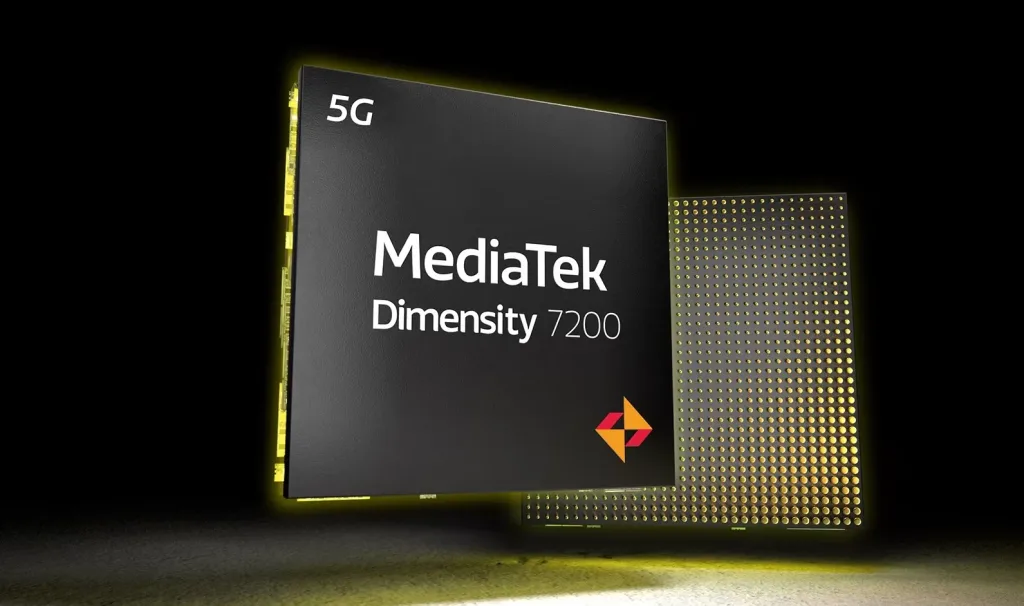
MediaTek introduced the Dimensity 7500 to revitalize the mid-tier smartphone market in 2026. By incorporating Arm’s latest C1 CPU cores along with a dedicated Neural Processing Unit (NPU) for generative AI, MediaTek aims to close the gap between high-end performance and affordable pricing.
This chipset is crafted using an advanced 4-nanometer (4nm) fabrication process, marking a significant upgrade from the previous Dimensity 7400.
Architectural Shifts and Efficiency Gains
The Dimensity 7500 features an octa-core CPU setup based on the latest Armv9.3-A architecture. It employs a split cluster design: four high-performance Arm C1 Pro cores running at 2.6GHz, paired with four efficiency-oriented Arm C1 Nano cores clocked at 2.0GHz.
MediaTek asserts that this hardware configuration brings immediate power efficiency improvements, targeting a 5% to 9% reduction in power use during everyday applications, along with a 4% to 7% boost in performance during intense gaming.
But the real highlight is the dedicated NPU for generative AI. This design choice allows the SoC to manage complex AI tasks locally, eliminating the need for cloud processing. This shift enhances user privacy and reduces latency.
It clearly aims to introduce flagship-level AI capabilities to devices typically sold at more budget-friendly prices.
| Metric | Performance Increase |
|---|---|
| Video Transcoding | Up to 68% faster |
| File Transfer | Up to 40% faster |
| App Switching | Up to 30% faster |
| Game Level Loading | Up to 19% faster |
Real-World Impact and Market Positioning
What really counts for users is how these improvements affect daily tasks. The 68% boost in video transcoding speed means faster export times when editing videos for social media, as noted in TechCrunch.
On the flip side, a 30% increase in app switching speed and a 19% drop in game loading times tackle the common issues of lagging performance in mid-range devices.
Not everyone thinks speed is the only measure of success, as software optimization often lags behind for many Android manufacturers. Still, the Dimensity 7500 sets a solid foundation, prompting competitors to rethink their mid-range strategies.
This chipset is expected to make high-end features like on-device AI and quick multitasking standard in the sub-₹30,000 category by late 2026.
The first devices featuring this chipset will likely arrive in the Indian market soon. Manufacturers may use these efficiency gains to promote slimmer designs with smaller batteries that still deliver all-day performance, according to The Verge.
The big question is how quickly software developers will optimize their apps to take full advantage of the new C1 core architecture.
FAQs
Is the MediaTek Dimensity 7500 a flagship chipset?
No, the Dimensity 7500 targets mainstream, mid-range smartphones instead of ultra-premium flagship devices.
Does the Dimensity 7500 support generative AI?
Yes, it includes a dedicated Neural Processing Unit (NPU) specifically designed for handling generative AI workloads locally.
How does the 4nm process benefit the user?
The 4nm fabrication process increases transistor density, leading to better power efficiency and lower heat generation compared to older 6nm or 7nm chips.
Does the MediaTek Dimensity 7500 support generative AI features?
Yes, it has dedicated hardware support for generative AI, enabling mid-range smartphones to run advanced AI models and creative tools locally.
How much faster is video transcoding on the MediaTek Dimensity 7500 compared to previous generations?
The MediaTek Dimensity 7500 offers 68% faster video transcoding speeds, greatly enhancing high-resolution video processing for mid-range mobile device users.