Traffic congestion and pollution are pushing commuters toward electric bikes, turning everyday commutes into a more conscious choice. Even with ongoing supply chain problems, e-bike adoption keeps climbing across major Asian markets. It’s really about a shift toward health and efficiency that goes beyond just saving money.
Manufacturers Driving Growth in China, India, and Japan
The boom in electric bike sales isn’t just about getting around faster. Major manufacturers like Yamaha, Hero, and BYD see a real opportunity in the urban commuter market and are launching new models left and right.’
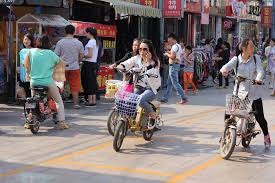
Students and delivery workers especially need affordable, dependable transport options. What’s striking is that this growth is happening despite component shortages hitting other industries hard. China’s government has set a target of 20 million units on the road by 2025, showing real commitment at the policy level. Across Asia, governments are backing cleaner urban mobility the same way they’re pushing for better air quality.
Impact of Pricing and Performance on Consumer Adoption
Supply chain issues have created some price swings, but electric bikes still stay affordable. You’re typically looking at $300 to $1,200, which works for students and office workers on a budget.
Most models give you 30 km to 80 km per charge—plenty for a typical day in the city. Sure, some people worry about battery disposal down the road. But the shift to electric mobility is becoming unstoppable. As people care more about their health and cutting emissions, those concerns about manufacturing delays fade into the background. The market’s heading upward, period. Motor Trend reports.
FAQs
How much do electric bikes cost in Asia?
You’ll typically spend between $300 and $1,200. The price depends on the brand, battery size, and what smart features it has.
What is the typical range of a new electric bike?
Most bikes available in Asia offer between 30 km and 80 km per charge. That’s enough distance for your daily commute around the city.
Why are sales growing despite supply chain issues?
People care more about the environment than they used to. Governments are offering incentives, and cities are getting more crowded, making these bikes a practical choice for your wallet and your health.
What factors are driving the surge in electric bike sales in Asia?
More people are moving to cities, gas prices keep climbing, and pollution’s a real concern. E-bikes are convenient for quick trips. Government subsidies and better cycling infrastructure are helping too.
Are electric bikes more cost-effective than traditional bikes?
You’ll pay more upfront, but you’ll save money over time. Maintenance costs less, you’re not buying gas, and many governments offer subsidies. Most users find the convenience and efficiency worth the initial expense.
How are supply chain challenges affecting electric bike availability?
Component shortages and shipping costs have slowed production and delivery. But manufacturers are fighting back by finding new suppliers and ramping up local production to keep up with demand.
What are the environmental benefits of using this?
They produce zero emissions while you’re riding, cutting your carbon footprint way down compared to cars. They also reduce traffic jams and push cities toward sustainable mobility, giving you cleaner air and a healthier environment overall.
Will the trend of electric bike adoption continue beyond 2026?
Almost certainly. Cities keep growing, technology keeps improving, and people care more about climate change than ever. More cities are building cycling infrastructure, so adoption should keep climbing well past 2026. Staying on top of these developments matters.