
 NZ
 IND
 NAM
 IRE
 MOZ
 UGA
 Aston Villa
 Man City
 Rayo
 Elche
 GMB
 ZMB
 NGA
 LES
 Cagliari
 Bologna
 IPS1
 NFO1
 ALA1
 MCF1
 TOR3
 MON2
 BRE1
 NICE2
 TAS53/4 (13/50 ov, target 305)
 VIC304/7
 NZ-A96/0 (31 ov)
 IND-A113
 DHA
 RAJ
 MYMS
 CHATT
 RAN
 BAR
 SYL
 KHU
 UAE
 NED
 PAK
 ENG
 IND-W
 ZIM-W
 AFG170/3 (34.3/50 ov, target 170)
 ZIM169
 DOLPH56/0 (3.5/8 ov, target 56)
 SWD51/4 (8/8 ov)
 WSW1
 BRI1
 Como
 Sassuolo
 Augsburg
 Union Berlin
 Cologne
 Schalke
 Mainz
 Bremen
 RB Leipzig
 Elversberg
 VFB2
 BMG3
 AHL4
 KHA1

Age verification technology is now embedded in next-generation vaping devices, marking a major shift in how manufacturers address underage consumption concerns. Major vape manufacturers have begun rolling out hardware and software solutions that require users to authenticate their age before the device activates, according to Wired. Regulators worldwide are intensifying pressure on the vaping industry to prevent minors from accessing nicotine products.
How Age Verification Works in Vapes
Smart vapes use biometric scanning, ID authentication, or blockchain-based digital credentials to confirm user age before the device will operate. Some models require you to scan your government-issued ID through a companion mobile app. Others use facial recognition to check against age databases.
The device won’t heat up or produce vapor until verification succeeds. This approach is similar to what Walmart and other retailers have explored with smart shopping technology—building intelligence into consumer hardware to enforce compliance automatically.
Why Regulators Demanded This Change
Youth vaping rates stayed stubbornly high despite existing restrictions, forcing regulators to take action. The FDA and international regulatory bodies pointed to troubling statistics: nearly 20% of U.S. high school students reported using e-cigarettes in recent years.
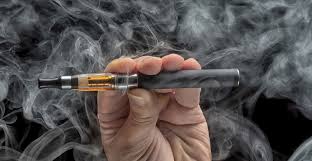
Traditional age checks at the point of sale just weren’t cutting it. Smart age verification gives manufacturers a way to prove they’re serious about compliance while protecting themselves from liability. It’s become clear that passive enforcement doesn’t work.
The Technical Implementation
Leading manufacturers built age verification directly into device firmware and cloud-based backend systems. When you activate a smart vape, it connects to encrypted servers that validate your age credentials in real time. The whole process takes 3-5 seconds.
Biometric data stays encrypted—manufacturers say they don’t hold onto facial scans or ID images long-term. When shopping for connected devices, it’s worth reviewing privacy policies before you buy, especially for systems handling sensitive personal information.
Industry Response and Challenges
Adoption hasn’t been uniform across the board. Established brands moved faster than smaller competitors dealing with implementation costs of $2-5 million per product line. Privacy advocates have raised red flags about data collection and potential breaches.
Some jurisdictions are questioning whether technology alone can address underlying addiction risks. According to The Verge, early adoption shows mixed results—some users have found workarounds, though manufacturers say they’re patching vulnerabilities continuously.
What Comes Next
Mandatory age verification standards across all vape categories should arrive by late 2026 in major markets. Regulators are also looking at whether this tech should extend to online sales platforms.
You’ll probably see this approach become a template for other age-restricted products. Manufacturers continue improving biometric accuracy to cut down on false rejections while keeping security tight.
People Also Ask
Q: How accurate is vape age verification technology?
Current systems report 95-98% accuracy rates for biometric and ID-based verification. Edge cases like identical twins or fraudulent documents still present challenges.
Q: Can users disable it on smart vapes?
Most devices prevent firmware modifications without manufacturer approval. Try to disable verification and the device locks you out and reports the attempt to authorities in regulated markets.
Q: What happens if verification fails?
The device simply won’t work. No vapor gets produced, and failed attempts get logged for regulatory audits.
Q: Is personal data from the technology shared with third parties?
Manufacturers claim data stays encrypted and isn’t sold to advertisers, but terms of service vary by brand. Always check the privacy policy before you activate the device.




