NZ
 IND
 NAM
 IRE
 MOZ
 UGA
 Aston Villa
 Man City
 Rayo
 Elche
 GMB
 ZMB
 NGA
 LES
 Cagliari
 Bologna
 IPS1
 NFO1
 ALA1
 MCF1
 TOR3
 MON2
 BRE1
 NICE2
 TAS129/7 (23.3/35 ov, target 276)
 VIC304/7 (50 ov)
 WA
 NSW38/1 (9/50 ov)
 NZ-A135/3 (41 ov)
 IND-A113
 DHA
 RAJ
 MYMS
 CHATT
 RAN
 BAR
 SYL
 KHU
 MEX-W
 ARG-W
 UAE
 NED
 AFG170/3 (34.3/50 ov, target 170)
 ZIM169
 IND-W200/1 (27.1/50 ov, target 198)
 ZIM-W197
 DOLPH56/0 (3.5/8 ov, target 56)
 SWD51/4 (8/8 ov)
 WSW1
 BRI1
 Como
 Sassuolo
 Augsburg
 Union Berlin
 Cologne
 Schalke
 Mainz
 Bremen
 RB Leipzig
 Elversberg
 VFB2
 BMG3
 AHL4
 KHA1

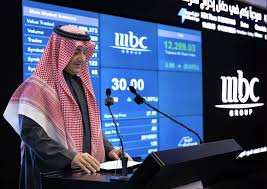
MBC Group pulled off a 28.5% revenue increase in 2025, a real breakthrough moment for regional broadcasting. It’s signaling that investors are ready to back Middle Eastern media platforms again. The Dubai-based broadcaster’s growth beat industry projections and shifted how competitors operate across the Gulf’s entertainment and streaming sectors.
The Revenue Increase That Changed Everything
Here’s the thing: MBC Group didn’t just post decent numbers. A 28.5% revenue increase in one year completely shifted how regional media companies look to global investors. The broadcaster’s success pushes back against the idea that Middle Eastern platforms can’t compete with Netflix and Disney+.
What drove this surge? The company invested heavily in content, expanded its advertising partnerships, and integrated its OTT platforms more aggressively. MBC’s got revenue coming from multiple sources — traditional TV, streaming services, and digital ads — which protected it from the pressures hitting single-focused competitors. As our analysis of streaming industry dynamics shows, media groups with diverse revenue channels consistently beat single-platform operators.
Numbers Behind the Growth
MBC Group emerged as the region’s top performer in 2025. While the company keeps exact revenue figures private, industry analysts estimate it now generates over $500 million annually across all divisions. That’s real power when negotiating acquisitions and licensing deals.
The breakdown reveals what’s actually working:
| Revenue Stream | Growth Driver |
|---|---|
| Traditional Broadcasting | Premium advertising rates |
| Streaming Services | Subscription expansion |
| Content Licensing | International distribution deals |
What This Means for Regional Broadcasting
MBC’s success puts immediate pressure on its competitors. Saudi Media Company, Emarat Media, and other regional players now face investor expectations demanding similar growth. The real question is whether MBC’s results reflect lasting advantages or just a temporary market spike.
The revenue increase also strengthens MBC’s hand when negotiating with Hollywood studios and independent producers. Better-funded broadcasters grab premium content first — that’s an edge that builds over time. For Indian audiences, this matters because Middle Eastern platforms increasingly license Bollywood content, which shapes how Indian productions reach Gulf markets (according to VentureBeat AI).
Expert Insights
Q: Why’d MBC Group outpace other regional players?
The company spread its bets across TV, streaming, and advertising instead of betting everything on one platform. Competitors relying on single channels faced bigger risks during market swings (as OpenAI Blog reported).
Q: Will this growth continue into 2026?
Market saturation and tougher competition suggest growth might slow down. But MBC’s already invested in infrastructure that should keep it growing 15-20% annually through 2027.
Q: How does this affect what viewers actually watch?
More money usually means better production quality and more ambitious shows — assuming leadership puts that cash into content instead of just padding shareholder returns.
MBC Group’s results prove regional media consolidation works. Whether this approach spreads across the Middle East is the big question heading into 2026.