The world has entered its most dangerous geopolitical moment in decades. What began on February 28, 2026, as a US-Israel joint military operation against Iran has now spiralled into a full-scale regional war — with the Strait of Hormuz, the world’s most critical oil chokepoint, at the centre of it all.
Iran-Israel-US War at a Glance — Key Facts (Day 15)
| Detail | Status |
|---|---|
| War Began | February 28, 2026 |
| Trigger | US-Israel joint strikes on Iran (Operation Epic Fury) |
| Iran Supreme Leader | Ali Khamenei killed; son Mojtaba succeeds him |
| Strait of Hormuz | Closed to US/Israeli-linked ships; nearly zero traffic |
| Crude Oil Price | ~$103/barrel — up 40%+ in 15 days |
| Middle East Supply Outage | 8 million barrels/day (could hit 10 Mbd) |
| India Impact | Fuel surcharges on flights; Indian ships partially allowed |
| IEA Emergency Release | Record 400 million barrels triggered |
🔥 What Triggered the Crisis?
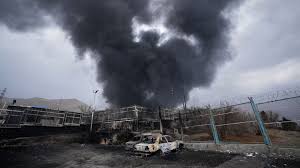
On 28 February 2026, Israel and the United States began a series of strikes against Iran, saying they aimed to induce regime change and target its nuclear and ballistic missile programme. The strikes caused both military and civilian casualties in Iran.
In response, Iran launched missiles and drones on Israel, UAE, Qatar, Kuwait, Bahrain, Jordan, and Saudi Arabia. Shipping through the Strait of Hormuz slowed to a standstill, with 150 freight ships, including many oil tankers, stalled.
The Strait of Hormuz — Why It Matters
The Strait of Hormuz has experienced ongoing geopolitical disruption since February 28, 2026. Tanker traffic dropped first by approximately 70% before falling to near zero. This disruption affected about 20% of the world’s daily oil supply and significant volumes of liquefied natural gas. myKhel
Iran’s Foreign Minister Abbas Araghchi clarified on March 15 that the strait is only closed to American and Israeli ships and tankers, not to others. TOPUPLIV
India’s Exposure — Flight Surcharges & Oil Scramble
India is feeling the heat directly. Crude oil prices surged to around $103 per barrel from $73 per barrel a day before the war began. Indian airlines IndiGo, Air India, and Akasa Air have all introduced fuel surcharges ranging from ₹199 to ₹1,300 on domestic and international routes. Sportskeeda
Two Indian-flagged gas carriers and a Saudi oil tanker carrying 1 million barrels for India were reportedly allowed to pass through the strait myKhel — a sliver of relief, but the situation remains deeply fragile.
Global Economic Fallout
The conflict led to immediate surges in oil and gas prices, widespread disruptions in aviation and tourism, and heightened volatility in financial markets. The UN World Food Programme warned that the escalation is driving significant long-term increases in global food prices, with nearly 50% of global urea and sulfur exports transiting through the Strait of Hormuz. LDShop
For more West Asia conflict coverage, India impact analysis, and geopolitical updates, visit Technosports’ news section and our latest world news coverage