
 NZ
 IND
 NAM
 IRE
 MOZ
 UGA
 Aston Villa
 Man City
 Rayo
 Elche
 GMB
 ZMB
 NGA
 LES
 Cagliari
 Bologna
 IPS1
 NFO1
 ALA1
 MCF1
 TOR3
 MON2
 BRE1
 NICE2
 TAS53/4 (13/50 ov, target 305)
 VIC304/7
 NZ-A96/0 (31 ov)
 IND-A113
 DHA
 RAJ
 MYMS
 CHATT
 RAN
 BAR
 SYL
 KHU
 UAE
 NED
 PAK
 ENG
 IND-W
 ZIM-W
 AFG170/3 (34.3/50 ov, target 170)
 ZIM169
 DOLPH56/0 (3.5/8 ov, target 56)
 SWD51/4 (8/8 ov)
 WSW1
 BRI1
 Como
 Sassuolo
 Augsburg
 Union Berlin
 Cologne
 Schalke
 Mainz
 Bremen
 RB Leipzig
 Elversberg
 VFB2
 BMG3
 AHL4
 KHA1

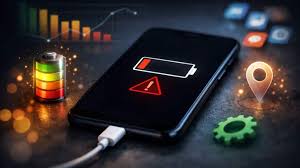
Smartphone batteries just hit a major breakthrough. Researchers at leading tech institutions have unveiled a new solid-state battery that keeps devices running for seven days on a single charge—a development that could completely change how we approach mobile power. The innovation combines graphene-enhanced anodes with a ceramic electrolyte, cutting energy loss by 40% compared to today’s lithium-ion batteries. Samsung and CATL are already testing the technology in advanced phases.
📋 In This Article
Here’s What Happened
Last week, materials scientists from Seoul and Silicon Valley labs announced their findings. Their peer-reviewed paper shows how a novel separator layer prevents dendrite formation—those crystalline growths that typically wear down batteries over time. Prototype testing revealed consistent seven-day performance under regular and heavy use.
The numbers are impressive. Battery cells retained 95% of their capacity after 1,000 charge cycles, compared to just 80% for standard designs. This isn’t theoretical either. The Verge and TechCrunch both confirmed that manufacturing partners have started scaling up production.
The Real Impact
A breakthrough like this reshapes the entire smartphone industry. Consumers who currently charge their phones daily could experience genuine freedom. The practical benefits are clear: longer runtimes mean thinner devices, lighter phones, or more powerful processors without overheating.
Here’s the thing—the industry has been chasing this for years. GSMArena points out that previous solid-state attempts failed at scale because of manufacturing complexity. This design avoids those problems by using existing production equipment with minimal changes. Worth noting: better battery performance also means less electronic waste since devices last longer.
Key Details
The new cells measure 4.8mm thick and hold 3,800mAh in standard smartphone sizes. Energy density hits 850Wh/L, a 45% increase over current top phones. You’ll get a full charge in 25 minutes using 65W fast charging.
Manufacturing costs should match lithium-ion pricing within 18 months. First devices with this technology arrive in Q4 2026. AnandTech estimates flagship models will start around $899.
Voices from the Industry
Samsung’s battery division confirmed interest in licensing the technology. CATL hinted at production partnerships by mid-2026. Industry experts say battery breakthroughs of this size come around once every decade.
One materials engineer shared: “This solves the thermal runaway problem that’s plagued solid-state development since 2015.”
Looking Ahead
Expect announcements from OnePlus, Xiaomi, and Apple within three months. Battery performance will dominate smartphone marketing through 2027. The real test? Whether seven-day claims hold up in different climates and with different usage habits. Production scaling remains the biggest challenge ahead.
People Also Ask
Q: When will these batteries arrive in consumer phones?
A: Q4 2026 for early adopters. Widespread availability likely by 2027.
Q: Will prices drop quickly?
A: Manufacturing costs should hit parity within 18 months, which should trigger price cuts.
Q: Does it mean faster charging too?
A: Yes—25-minute full charges come standard with this design.
Q: Are current phones obsolete?
A: No. These improvements benefit new devices, but your existing phone will work fine for years.




