India is 12 to 18 months away from launching homegrown smartphone brands, according to Union Electronics and IT Minister Ashwini Vaishnaw, who shared this timeline at the World Economic Forum in Davos. This marks India’s transition from manufacturing hub to brand creator, potentially challenging Chinese smartphone dominance.
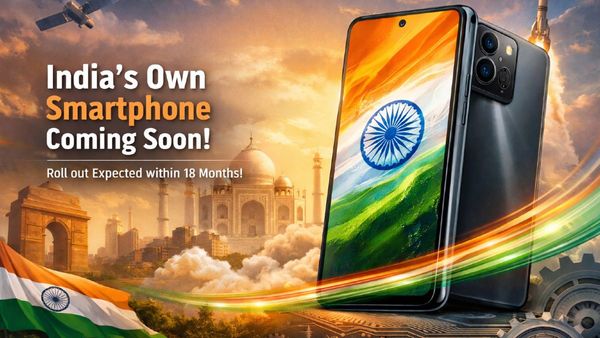
India to Debut Homegrown Phone Brands
The announcement signals a major shift in India’s electronics strategy. The country now has over 300 mobile phone manufacturing units, up from just two in 2014, creating the foundation for end-to-end smartphone development—from design to production.
| India’s Smartphone Journey | 2014 | 2024 |
|---|---|---|
| Manufacturing Units | 2 | 300+ |
| Locally Made Phones | 26% | 99%+ |
| Electronics Sector Value | — | $300B (projected 2026) |
Mature Electronics Ecosystem Enables Brand Creation
Vaishnaw emphasized that India now has a substantial electronics ecosystem developed through years of manufacturing for global tech giants. The government has aligned industry partners on thousands of complex components required for smartphone production, positioning India to compete globally.
The Ministry of Electronics and IT has provided significant incentives for manufacturing, semiconductors, and electronics components, reducing import dependence. Mobile phone exports from India have risen sharply, indicating that phones made in the country are gaining international acceptance.
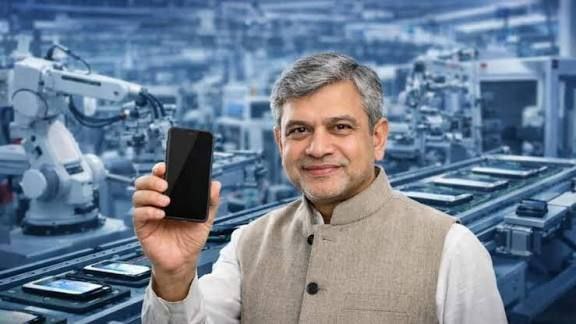
From Assembly to Innovation
India’s transformation reflects deliberate policy support. Government-backed Production Linked Incentive (PLI) schemes have attracted global manufacturers while nurturing domestic capabilities. Officials believe this scale and experience make it possible for Indian companies to move beyond contract manufacturing.
The timing coincides with India’s semiconductor manufacturing progress. Commercial chip production is set to begin in February at one of four approved plants, providing crucial components for indigenous phone brands.
While specific brand names and companies remain undisclosed, industry observers expect private sector players to lead this initiative with government backing. The approach mirrors successful models in India’s smartphone manufacturing ecosystem, where policy support enabled rapid scaling.
This development represents a major step toward reducing dependence on foreign smartphone makers and boosting domestic innovation. With design capabilities, manufacturing infrastructure, and component supply chains in place, India’s homegrown brands could reshape the global smartphone landscape.