

2025 marked the year AI transformed from innovation to infrastructure. From CES showcasing AI PCs to Apple Intelligence’s debut, artificial intelligence reshaped consumer technology, enterprise tools, and hardware. Here’s how AI evolved month by month.

Tech Recap 2025: Monthly Timeline
| Month | Key Developments |
|---|---|
| January | CES 2025 highlights AI PCs, Intel Core Ultra and AMD Ryzen AI chips gain OEM adoption, AI assistants appear in Windows laptops |
| February | Samsung Galaxy S25 launches with on-device AI, real-time translation and AI photo editing go mainstream, Apple AI roadmap discussions heat up |
| March | Apple unveils M3-powered Macs for AI workloads, Google expands Gemini into Search/Gmail/Docs, foldable phone competition intensifies in China |
| April | Microsoft pushes Copilot across Windows/Office/enterprise, AI PCs become distinct product category, Qualcomm strengthens Windows-on-ARM |
| May | Google I/O 2025 focuses on multimodal AI (text/image/video/voice), Android gets deeper OS-level AI integration, AI video tools improve rapidly |
| June | WWDC 2025: Apple introduces Apple Intelligence across iOS/macOS/iPadOS, privacy-focused on-device AI emerges as key differentiator, Vision Pro gains developer support |
| July | NVIDIA solidifies AI hardware dominance in data centers and laptops, RTX 50-series gaming laptops roll out, AI chips become geopolitical priority |
| August | AI-first ultrabooks launch in laptop refresh season, battery efficiency and NPU performance become major selling points, student productivity tools gain traction |
| September | iPhone 17 emphasizes AI photography and personalization, smartphone AI features mature beyond experimental stage, foldables gain better app optimization |
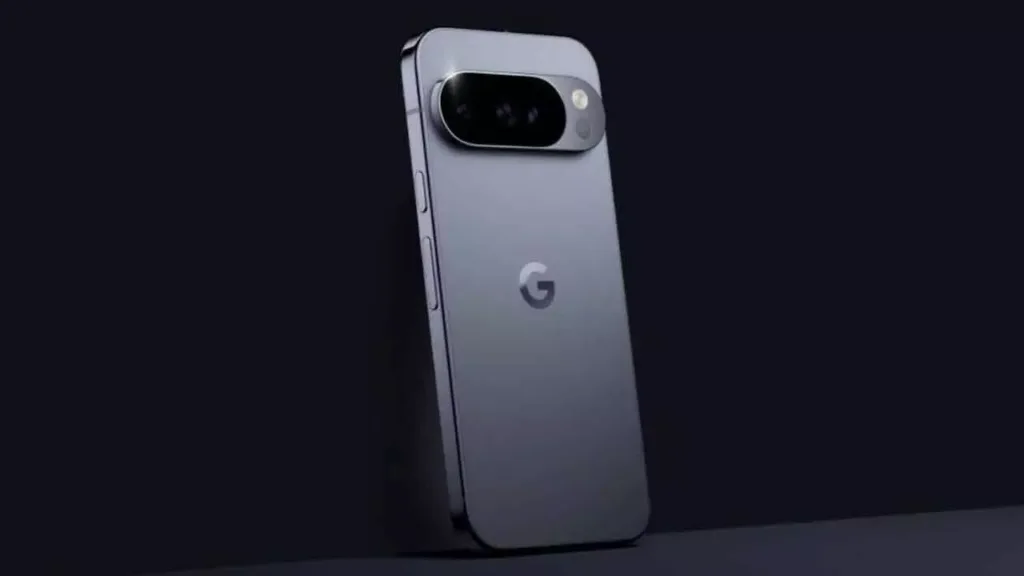
| October | Google Pixel 10 launches with AI-first camera/assistant features, AI regulation discussions intensify globally, cybersecurity tools increasingly rely on AI |
| November | Black Friday shows strong demand for AI laptops/gaming PCs, subscription-based AI tools become more common, AI assistants replace traditional search for many users |
| December | Year-end consensus: AI is infrastructure not optional feature, agentic AI and automation seen as next leap, tech focus shifts to AI agents/robotics/spatial computing for 2026 |

Consumer AI Goes Mainstream
AI PCs became the norm with Intel Core Ultra and AMD Ryzen AI chips powering smarter laptops. Apple Intelligence brought privacy-focused on-device processing to millions of users. Smartphones evolved from AI experiments to AI-first devices, with real-time translation and computational photography becoming standard features rather than novelties.
Enterprise Integration Accelerates
Microsoft Copilot integrated deeply across Windows and Office, transforming workplace productivity. Google Gemini expanded into Search, Gmail, and Docs. AI shifted from optional add-ons to core infrastructure, with agentic AI systems handling complex multi-step workflows autonomously.
Hardware Evolution Continues
NVIDIA solidified dominance in AI hardware with RTX 50-series GPUs and data center solutions. NPUs became standard in laptops, prioritizing battery efficiency over raw power. AI chip development emerged as a geopolitical talking point, reshaping global tech competition and supply chains.
For more technology insights, visit TechnoSports.


