The FIFA World Cup 2026 draw ceremony concluded on Friday afternoon at the John F. Kennedy Center for the Performing Arts in Washington DC, revealing the group stage matchups for the biggest football tournament in history. For the first time, 48 teams will compete for glory across the United States, Canada, and Mexico, with the draw determining 12 groups of four teams that will battle through the opening phase of the expanded tournament.
The elaborate ceremony, which featured performances by Robbie Williams and Nicole Scherzinger along with appearances by sporting legends Tom Brady, Wayne Gretzky, Shaquille O’Neal, and Aaron Judge, finally delivered the information 42 qualified nations and millions of fans worldwide had been waiting for. Six additional spots remain to be determined through March 2026 playoffs, creating placeholder positions in the draw that will be filled following UEFA and intercontinental qualification matches.
Table of Contents
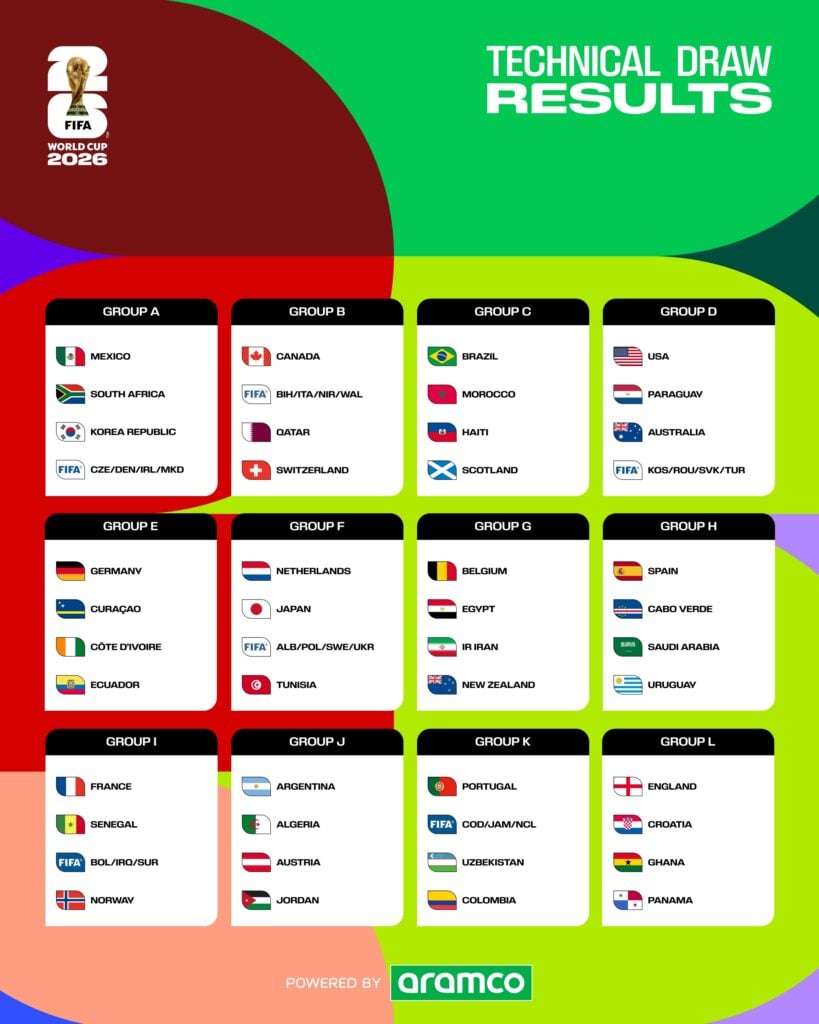
Complete Group Stage Draw Results
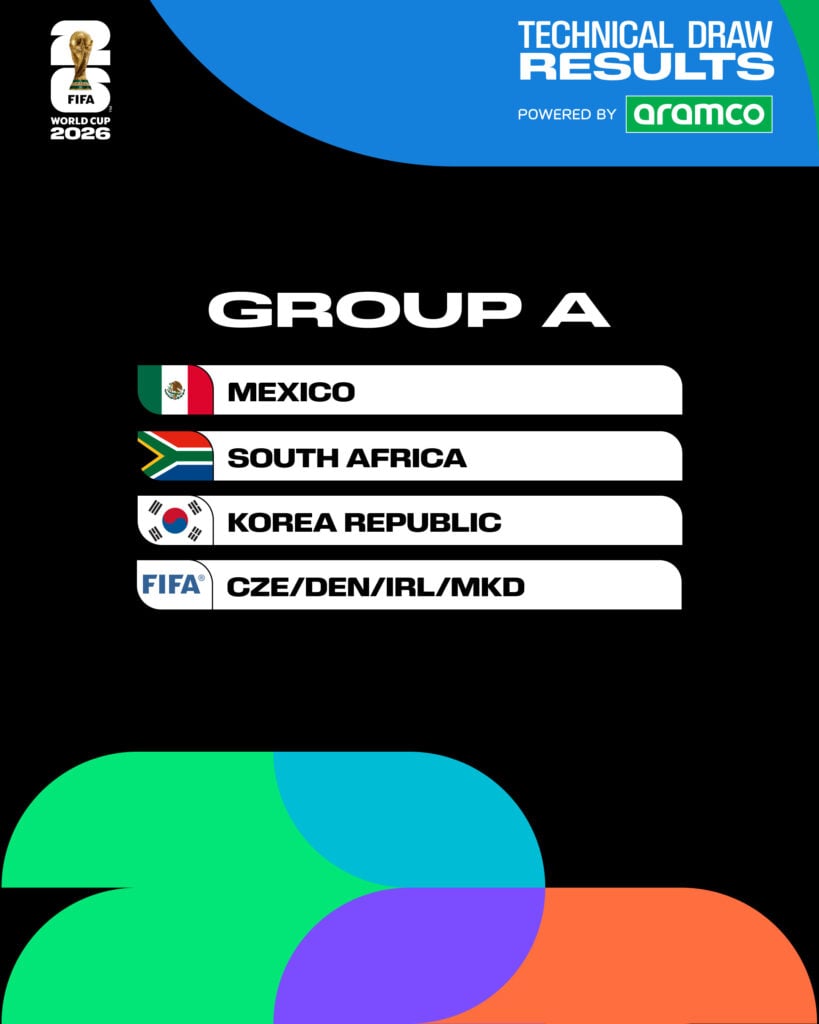
Group A: Mexico, South Africa, Korea Republic, UEFA Playoff D winner (Denmark/North Macedonia/Czech Republic/Ireland)
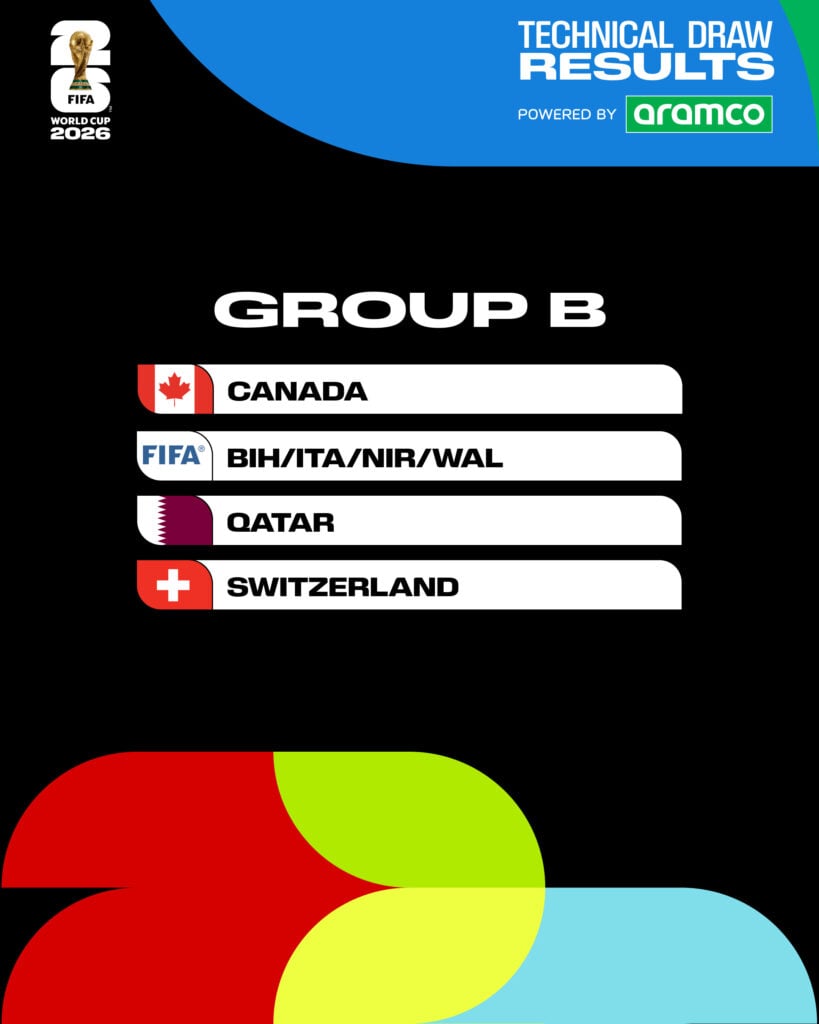
Group B: Canada, UEFA Playoff A winner (Italy/Northern Ireland/Wales/Bosnia-Herzegovina), Qatar, Switzerland
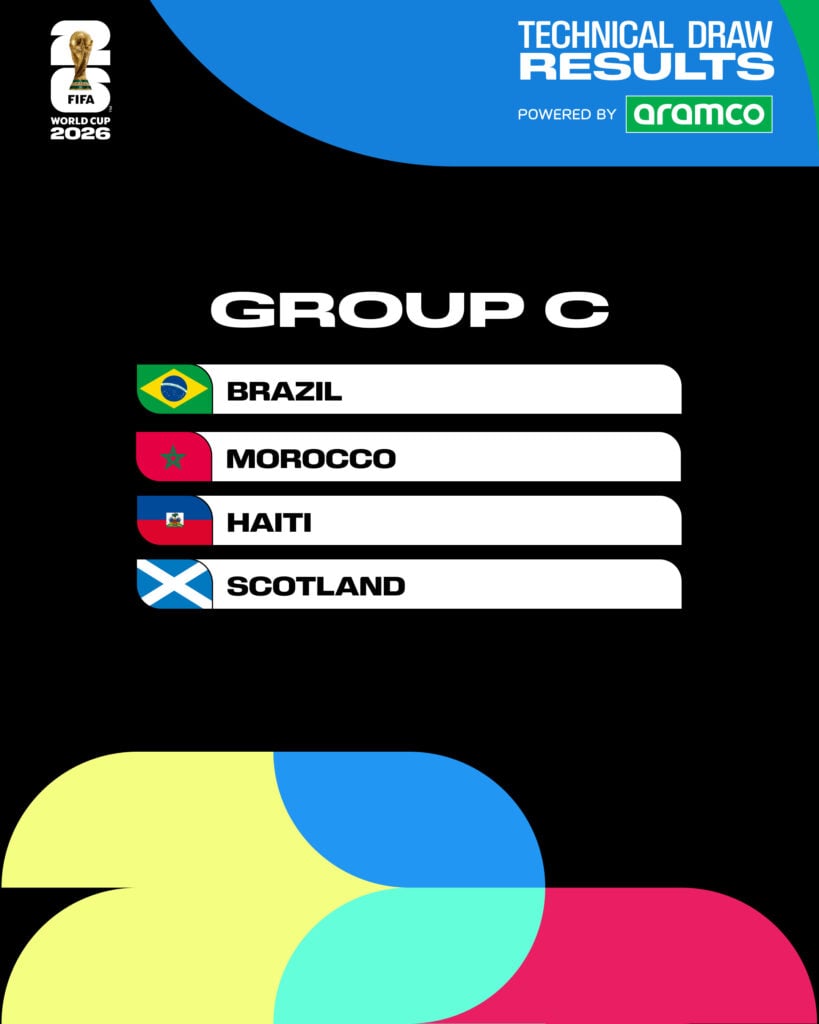
Group C: Brazil, Morocco, Haiti, Scotland
Group D: United States, Paraguay, Australia, UEFA Playoff C winner (Turkey/Romania/Slovakia/Kosovo)
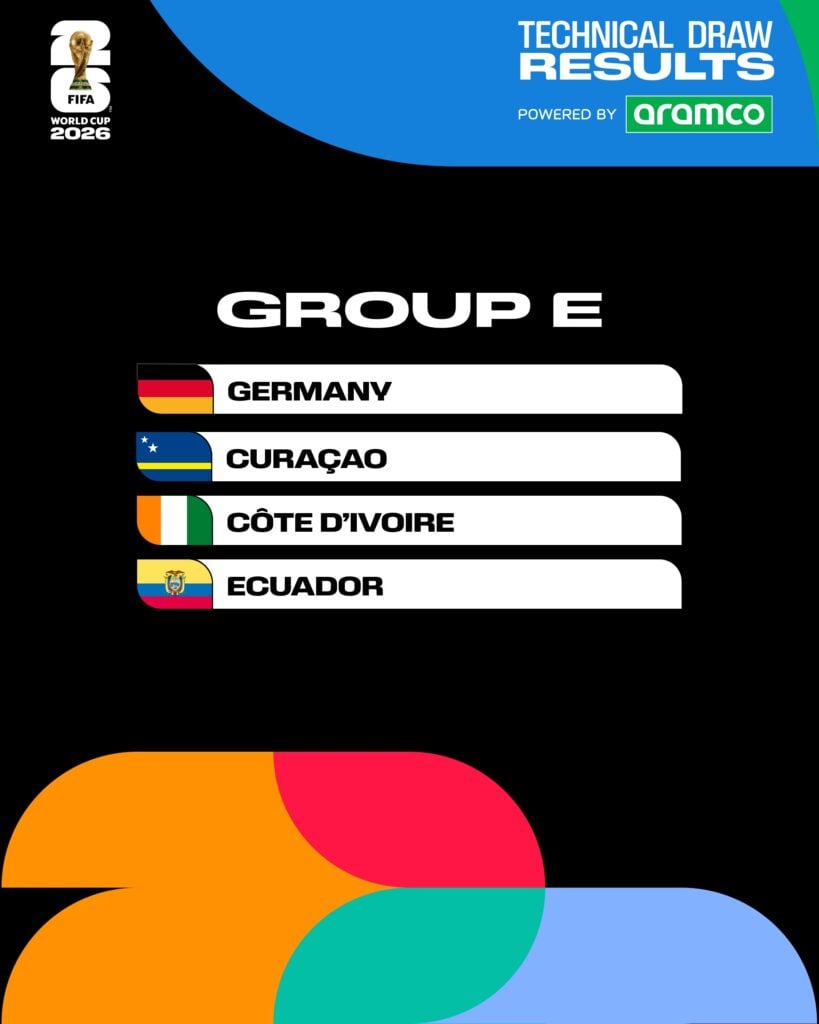
Group E: Germany, Curaçao, Côte d’Ivoire, Ecuador
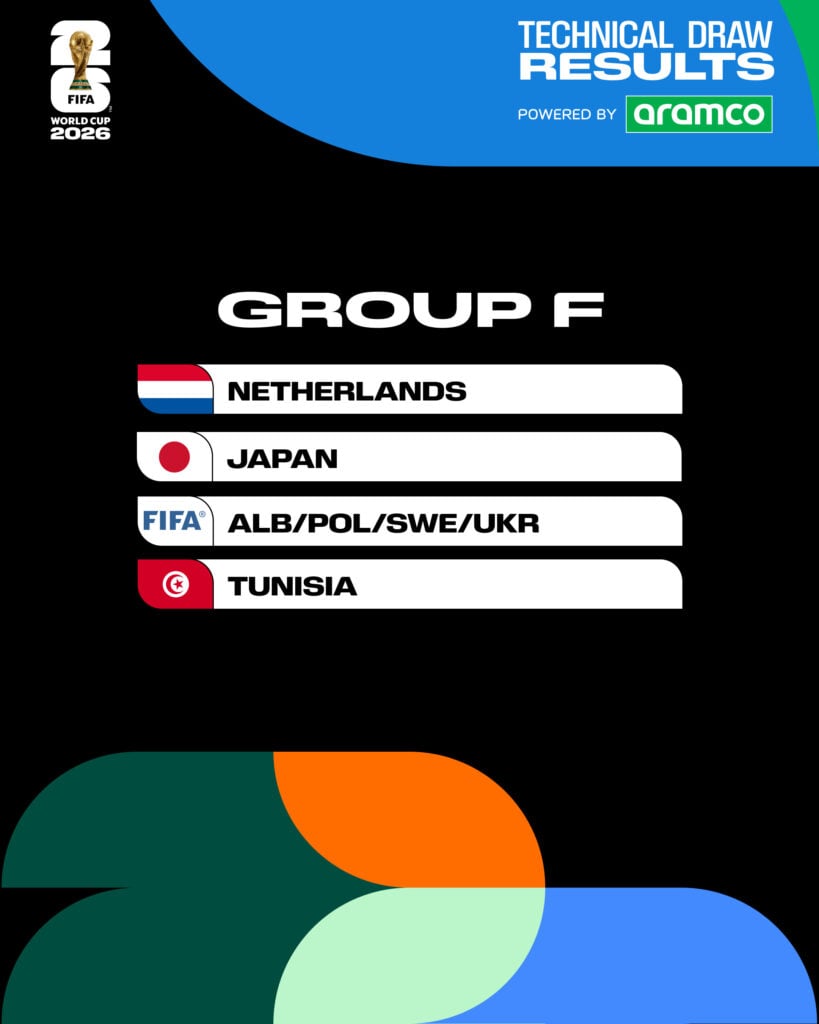
Group F: Netherlands, Japan, Tunisia, UEFA Playoff B winner (Ukraine/Sweden/Poland/Albania)
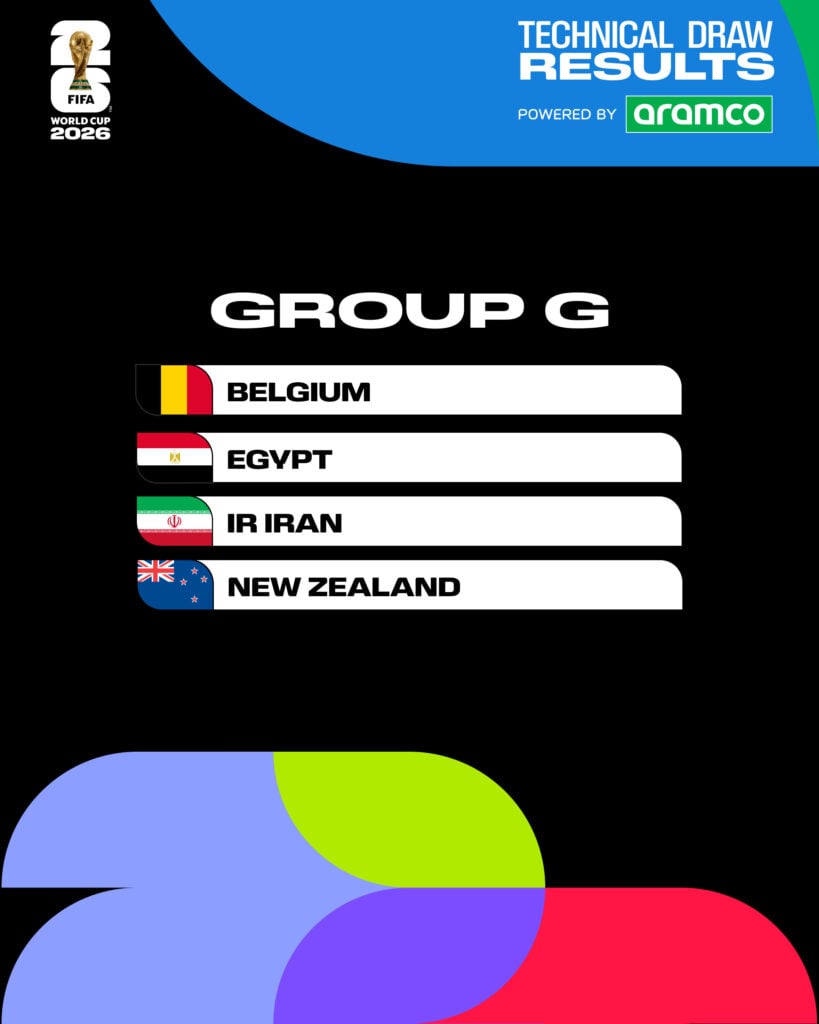
Group G: Belgium, Egypt, Iran, New Zealand
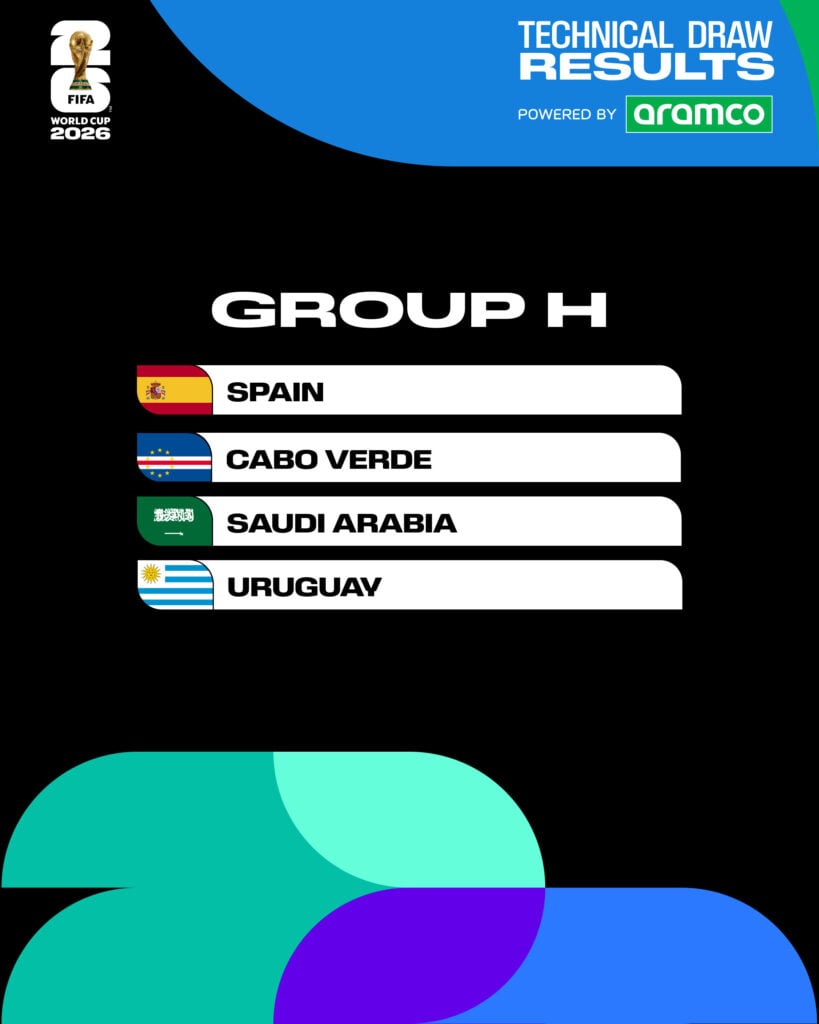
Group H: Spain, Uruguay, Saudi Arabia, Cape Verde
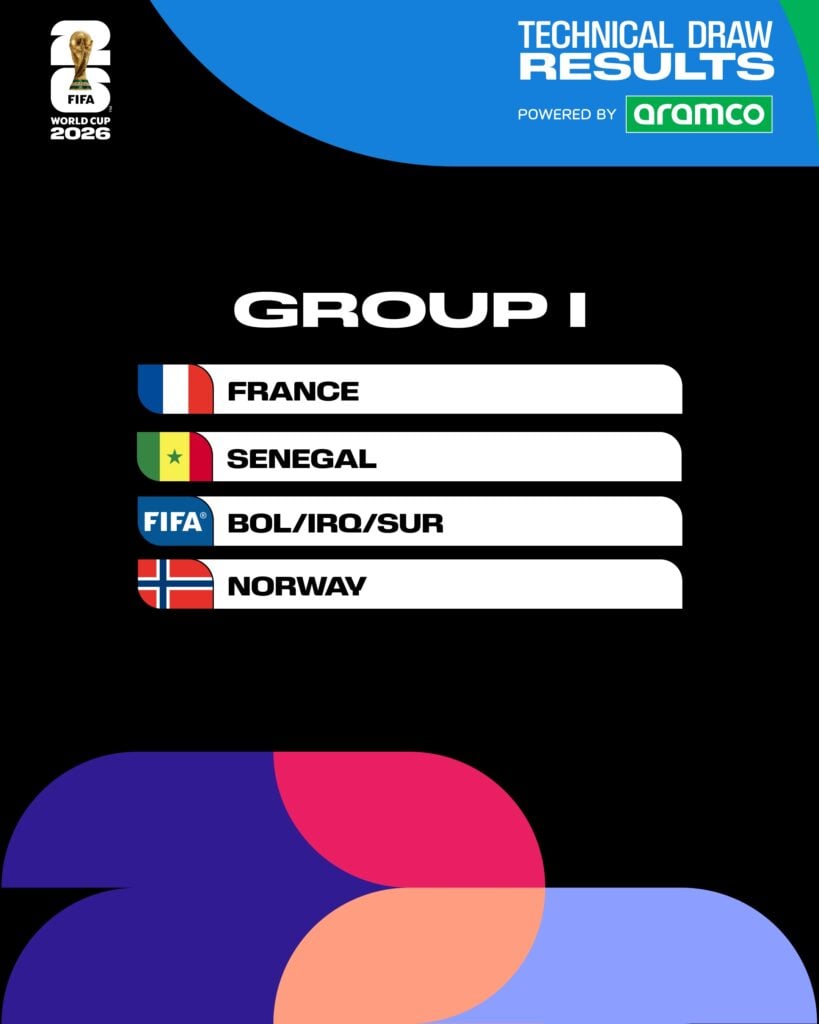
Group I: France, Senegal, Norway, Intercontinental Playoff 2 winner (Bolivia/Suriname/Iraq)
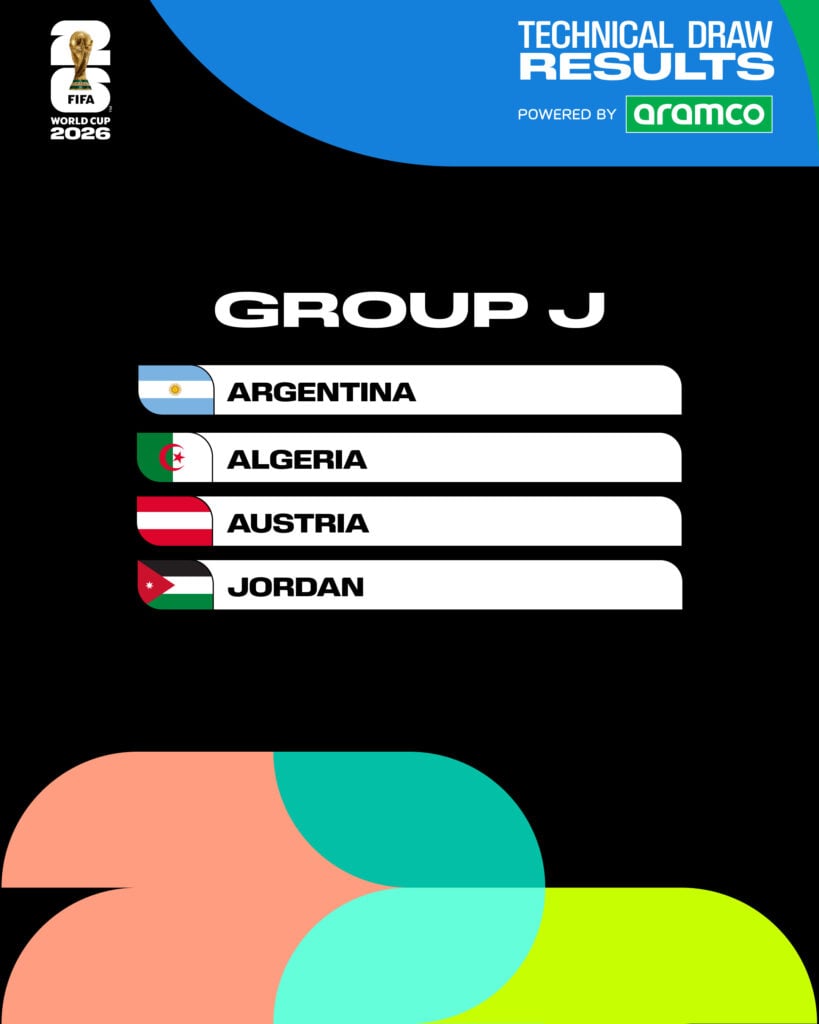
Group J: Argentina, Algeria, Austria, Jordan
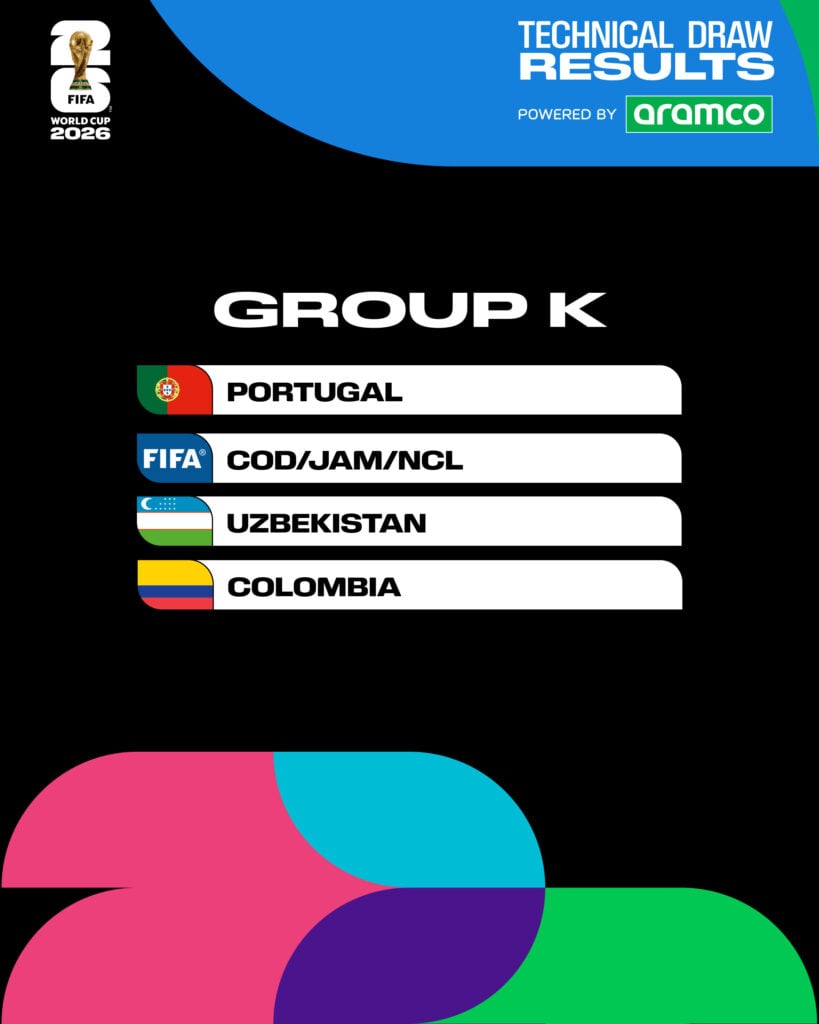
Group K: Portugal, Intercontinental Playoff 1 winner (Jamaica/New Caledonia/DR Congo), Uzbekistan, Colombia
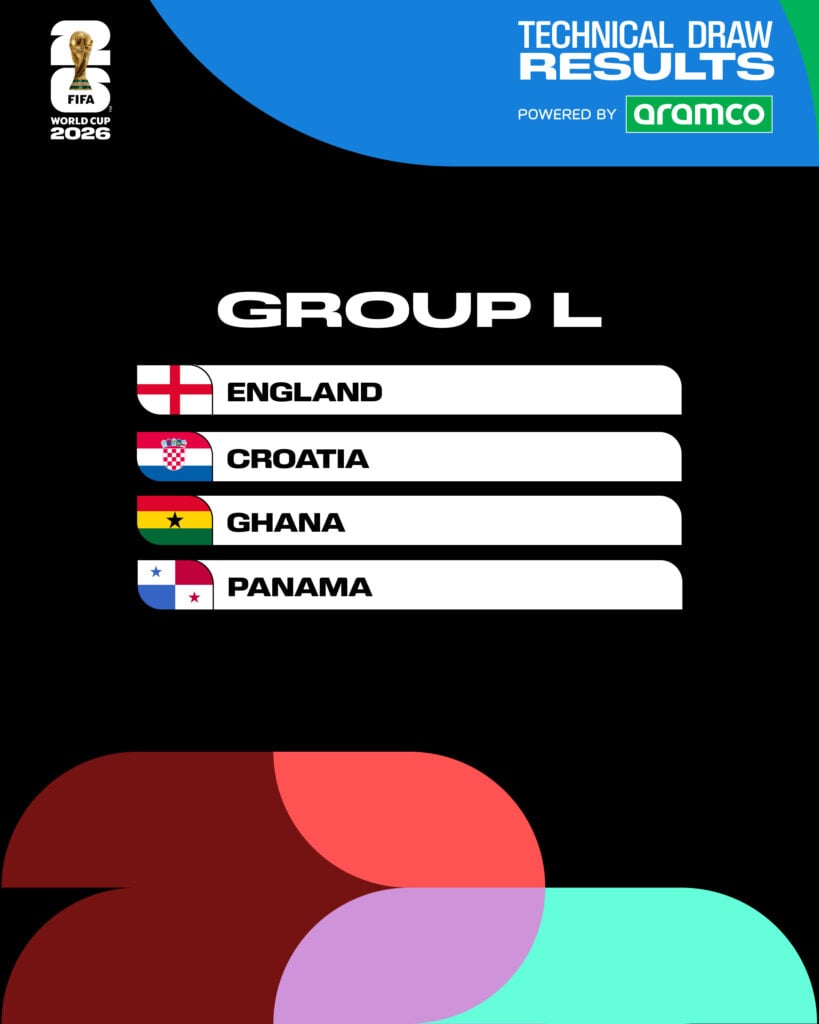
Group L: England, Croatia, Ghana, Panama
Opening Matches and Host Nation Assignments
The tournament will commence on June 11, 2026, with Mexico facing South Africa at the iconic Estadio Azteca in Mexico City, recreating the opening match from the 2010 World Cup in South Africa. This represents Mexico’s third time hosting World Cup matches, having previously staged the tournament in 1970 and 1986.
Canada begins their World Cup campaign on June 12 at BMO Field in Toronto against the winner of UEFA Playoff A, which could be four-time champions Italy, Northern Ireland, Wales, or Bosnia-Herzegovina. The United States also opens on June 12 at SoFi Stadium in Inglewood, California, facing Paraguay.
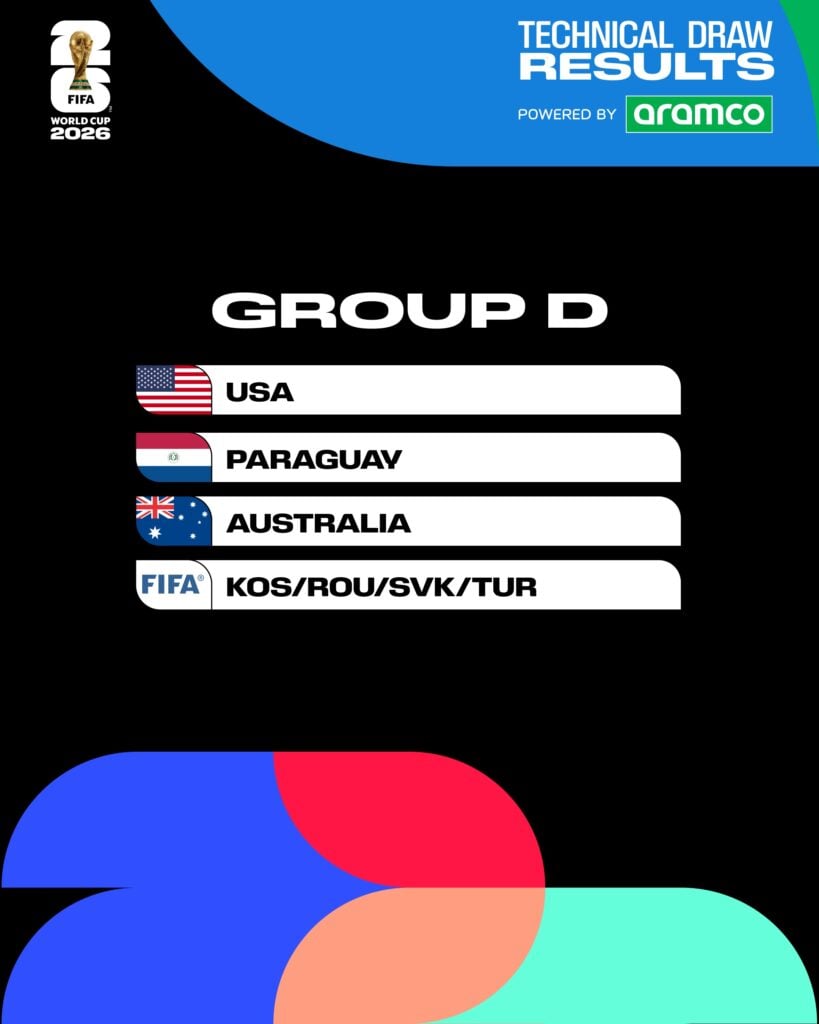
US coach Mauricio Pochettino expressed measured confidence following the draw, stating he has full respect for his team’s group stage opponents but believes the Americans can advance, emphasizing they need to perform and evolve with each gathering. The United States will face Australia on June 18 in Seattle before concluding group play against the UEFA Playoff C winner on June 25 back at SoFi Stadium.
Marquee Matchups and Historical Rivalries
The draw produced several compelling first-round encounters that immediately captured global attention. Defending champions Argentina, led by 39-year-old Lionel Messi in what could be his final World Cup appearance, will begin their title defense against Algeria. The matchup carries echoes of Argentina’s shocking opening defeat to Saudi Arabia at the 2022 tournament, raising questions about whether history might repeat itself against another Arab nation.
France and Senegal will renew their rivalry in Group I, a rematch that brings back memories of their stunning encounter at the 2002 World Cup when Senegal secured a famous 1-0 victory over the reigning champions. This time, France boasts Kylian Mbappé at the peak of his powers, while Senegal remains Africa’s highest-ranked team and a formidable opponent. The group also features Norway’s Erling Haaland, setting up a tantalizing clash between two of the world’s premier strikers.
Spain, considered among the tournament favorites following their Euro 2024 triumph, drew Uruguay in Group H, creating an immediate test between European champions and a South American powerhouse. The group also includes tournament debutant Cape Verde, highlighting the contrasts created by the expanded format.
England faces Croatia in Group L, reigniting a rivalry that saw Croatia eliminate England in the 2018 World Cup semi-finals. The group also includes Ghana and Panama, creating a balanced but competitive path to the knockout stages.
Historic Firsts and Underdogs
The 2026 tournament welcomes several nations making their World Cup debuts, including Cape Verde, Curaçao, Jordan, and Uzbekistan. Most remarkably, Curaçao becomes the smallest nation by population ever to reach the World Cup finals, with just 156,000 inhabitants in the autonomous Caribbean territory within the Netherlands kingdom.
Germany will face Curaçao in what promises to be the ultimate David versus Goliath encounter, with the four-time champions expected to overwhelm the tiny island nation. However, the expanded format provides opportunities for such underdogs to create magical moments that define World Cup lore.
Group of Death Candidates
Multiple groups emerged as potential “Groups of Death”—the informal designation for the tournament’s most competitive groupings. Group C features five-time champions Brazil alongside Africa’s top-ranked Morocco and Scotland, creating a challenging path for all involved. Group I’s combination of France, Senegal, Norway, and a playoff winner presents perhaps the most daunting challenge, with three established powers competing for advancement.
Group L’s pairing of England, Croatia, Ghana, and Panama also generated significant discussion, as did Group A where Mexico, South Africa, and Korea Republic will battle alongside a UEFA playoff winner that could be Denmark.
Potential Messi-Ronaldo Quarterfinal
If Argentina and Portugal both win their respective groups and navigate the Round of 32, Lionel Messi and Cristiano Ronaldo could meet in a July 11 quarterfinal at Kansas City, Missouri. This potential matchup would represent one final chapter in football’s greatest individual rivalry, as both legends approach the twilight of their illustrious careers.
Tournament Format and Advancement
The 32 teams advancing from the group stage will include the top two finishers from each of the 12 groups plus the eight best third-place teams, creating a Round of 32 for the first time in World Cup history. This format change means even finishing third in a four-team group can ensure qualification, dramatically altering tactical calculations for coaches.
Third-place teams will be ranked according to points earned, goal difference, goals scored, team conduct score, and FIFA world ranking to determine which eight advance. This creates scenarios where teams might adjust their approach knowing a strong third-place finish could suffice.
Seeded Bracket Innovation
In a significant format innovation, the four highest-ranked teams—Spain, Argentina, France, and England—were placed in separate quadrants of a tennis-style seeded bracket. If these top four nations finish atop their groups, they will avoid each other until the semifinals. This means defending champions Argentina and top-ranked Spain could only meet in the final at MetLife Stadium on July 19, preserving marquee matchups for the tournament’s latter stages.
Schedule and Venues
FIFA released the complete match schedule on Saturday, December 6, assigning specific venues and kickoff times to all 104 tournament matches across 16 host cities. The tournament spans four time zones, with matches distributed across 11 NFL stadiums in the United States plus three venues in Mexico and two in Canada.
Gillette Stadium in Foxborough, Massachusetts, temporarily renamed “Boston Stadium” for the tournament, will host seven matches including five group stage games, one Round of 32 match, and one quarterfinal. All matches from the quarterfinals onward will be played in the United States.
Playoff Implications
The six remaining qualification spots will be determined through March 2026 playoffs. Four UEFA playoff paths will decide the final European representatives, with notable absentees including four-time champions Italy, who must navigate UEFA Playoff A alongside Northern Ireland, Wales, and Bosnia-Herzegovina.
Two intercontinental playoff paths will determine the final two berths, featuring teams from across all non-European confederations including Jamaica, New Caledonia, DR Congo, Bolivia, Suriname, and Iraq.
Read More: Ruben Amorim’s Set-Piece Revolution Transforms Man United’s Dead-Ball Fortunes
FAQs
What are all the groups for the FIFA World Cup 2026 draw?
The 12 groups are: A (Mexico, South Africa, Korea Republic, playoff), B (Canada, playoff, Qatar, Switzerland), C (Brazil, Morocco, Haiti, Scotland), D (USA, Paraguay, Australia, playoff), E (Germany, Curaçao, Côte d’Ivoire, Ecuador), F (Netherlands, Japan, Tunisia, playoff), G (Belgium, Egypt, Iran, New Zealand), H (Spain, Uruguay, Saudi Arabia, Cape Verde), I (France, Senegal, Norway, playoff), J (Argentina, Algeria, Austria, Jordan), K (Portugal, playoff, Uzbekistan, Colombia), L (England, Croatia, Ghana, Panama).
When does the 2026 World Cup start?
The 2026 World Cup begins on June 11, 2026, with Mexico facing South Africa at Estadio Azteca in Mexico City. The tournament runs through July 19, 2026, with the final at MetLife Stadium in New Jersey.
Which group is the FIFA World Cup 2026 Group of Death?
Group I featuring France, Senegal, Norway, and a playoff winner is considered the toughest, with Group C (Brazil, Morocco, Haiti, Scotland) and Group L (England, Croatia, Ghana, Panama) also strong contenders.
Who does USA play in the 2026 World Cup?
The United States plays Paraguay on June 12 at SoFi Stadium, Australia on June 18 in Seattle, and the UEFA Playoff C winner (Turkey/Romania/Slovakia/Kosovo) on June 25 back at SoFi Stadium.
Can Messi and Ronaldo meet at the 2026 World Cup?
Yes, if Argentina and Portugal both win their groups and advance through the Round of 32, Lionel Messi and Cristiano Ronaldo could face each other in a quarterfinal on July 11 at Kansas City, Missouri.