Xiaomi India and YouWeCan Foundation have successfully concluded Phase 1 of Swasth Mahila Swasth Bharat, screening 150,000 women for breast cancer and detecting 2,210 suspected cases across 15 aspirational districts—now launching Phase 2 to reach 60,000 more women.
Table of Contents

Swasth Mahila Swasth Bharat Phase 1 Impact
| Metric | Achievement |
|---|---|
| Women Screened | 150,000 across 15 aspirational districts |
| Women Educated | 400,000+ on breast health awareness |
| Suspected Cases Detected | 2,210 |
| Treatment Connections | Diagnosed patients linked to proper care centers |
| States Covered | 15 |
| Phase 2 Target | Additional 60,000 women over next 6 months |
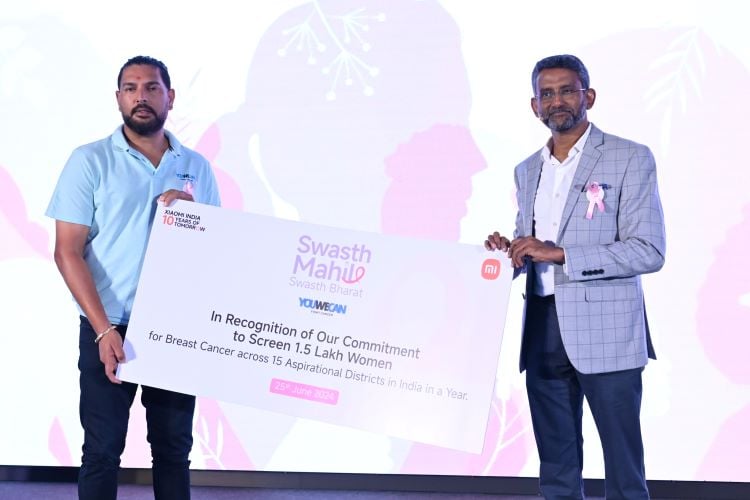
Phase 1 Results: Transformative Ground Impact
Over the past year, the Swasth Mahila Swasth Bharat (SMSB) initiative addressed critical gaps in preventive healthcare access for women in underserved communities. The program educated 4 lakh women about breast health, early detection methods, and self-breast examination techniques—empowering participants with knowledge that can save lives.
Detection and Treatment Pathways: Identifying 2,210 suspected cases represents significant early intervention potential. The initiative didn’t stop at screening—diagnosed patients received connections to proper treatment centers, ensuring screening translates into actionable medical care rather than dead-ending with diagnosis.
Strategic District Focus: Targeting 15 aspirational districts across 15 states ensured resources reached communities facing the greatest healthcare access barriers. These districts typically lack specialized medical infrastructure, making mobile screening camps and awareness drives particularly impactful.
Phase 2: Scaling Impact Through Strategic Pillars
Building on community trust established in Phase 1, SMSB 2.0 will reach an additional 60,000 women within the same 15 districts over the next six months. The expansion focuses on three strategic pillars:
Strengthened Referral Pathways: Improving coordination between screening camps and treatment facilities to ensure diagnosed patients receive timely care without navigating complex healthcare systems alone.
Regular Re-screening Protocols: Establishing periodic follow-ups to detect new cases early among previously screened populations, recognizing that early detection requires ongoing surveillance rather than one-time screenings.
Peer-Led Advocacy: Scaling community-driven awareness by training local influencers and survivors to embed breast health conversations into everyday community life, fostering lasting behavioral change beyond campaign periods.
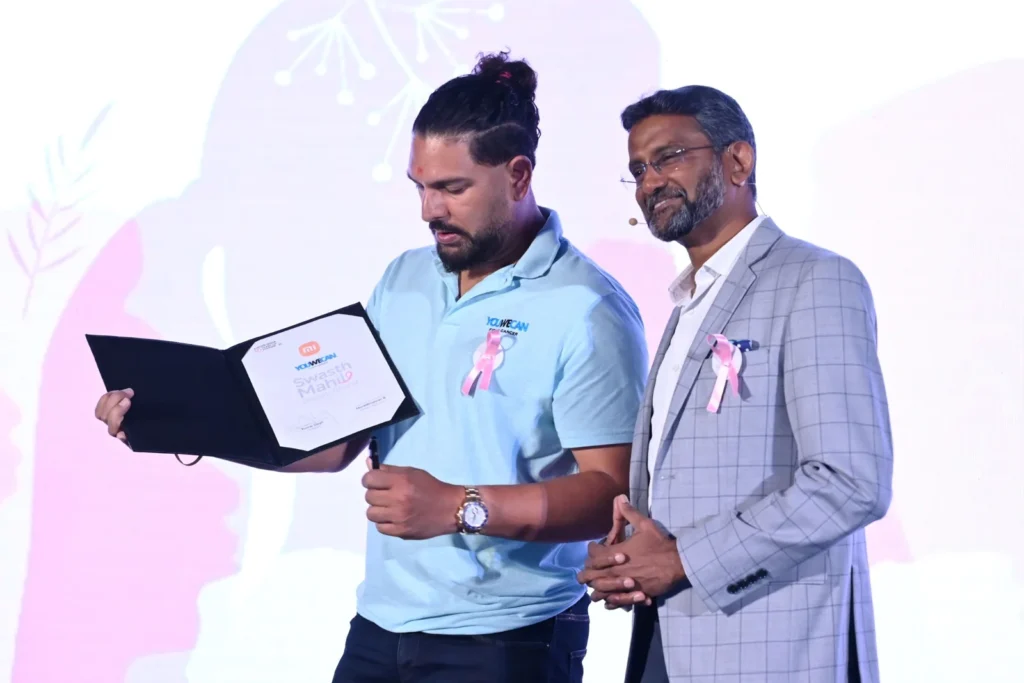
Corporate-Foundation Partnership Model
Xiaomi India COO Sudhin Mathur emphasized the initiative’s simple aim: enabling more women to access early screening, information, and timely support. Yuvraj Singh, YouWeCan Foundation founder, highlighted how partnerships transform awareness into action, noting real change happens when brands and foundations unite for common purpose.
Alignment with Government Programs: SMSB reinforces coordination with the National Programme for Prevention and Control of Cancer, Diabetes, Cardiovascular Diseases and Stroke (NPCDCS), ensuring private-public synergy for sustained impact beyond campaign timelines.
Philosophy of Purposeful Technology: Varun Madan, Xiaomi India’s Chief People Officer, articulated the company’s belief that technology finds highest meaning serving humanity’s deepest needs—empowering women to prioritize health with confidence, strengthening families and national progress.
The initiative exemplifies how technology companies can leverage resources, reach, and community trust to transform health outcomes in India’s underserved regions, bringing dignity and life-saving care where traditional healthcare infrastructure falls short.
Learn more at smsb.youwecan.org and explore Xiaomi’s global initiatives. Stay updated on social impact at TechnoSports.
FAQs
How can women in aspirational districts participate in Phase 2?
Contact details and participation information are available at smsb.youwecan.org—local camps and screening events will be announced through community channels in target districts.
What happens after suspected cases are detected?
The initiative connects diagnosed patients to proper treatment centers and coordinates with NPCDCS referral networks to ensure timely medical care beyond initial screening.