FIFA has officially confirmed that clubs worldwide must release players selected for the 2025 Africa Cup of Nations by Monday, December 15, 2025, bringing clarity to what had been weeks of uncertainty surrounding player availability for Africa’s premier football tournament. The decision, announced on December 3, establishes a firm deadline just six days before the tournament kicks off in Morocco, while also setting out a mediation framework to resolve potential disputes between clubs and national teams.
The world football governing body’s announcement brings relief to many European clubs who feared losing key players as early as December 8, but creates challenges for African national teams who will have limited preparation time before their opening matches. The ruling represents a delicate balancing act between club commitments during the busy December fixture schedule and national team preparation needs.
The December 15 Deadline and Its Implications
FIFA’s decision reduces the mandatory release period by seven days compared to traditional international tournament protocols, applying the same principle used for the 2022 FIFA World Cup in Qatar. In a circular signed by Secretary General Mattias Grafström, FIFA explained that clubs must release AFCON-bound players starting Monday, December 15, 2025, allowing them to retain these players for an additional week beyond initial expectations.
The announcement specifically states that the release period will start on December 15 rather than December 8, which had been the original two-week pre-tournament deadline under FIFA’s standard regulations. This change follows what FIFA described as fruitful consultations led by the organization with key stakeholders, citing the spirit of solidarity demonstrated by the Confederation of African Football to reduce impact on various parties.
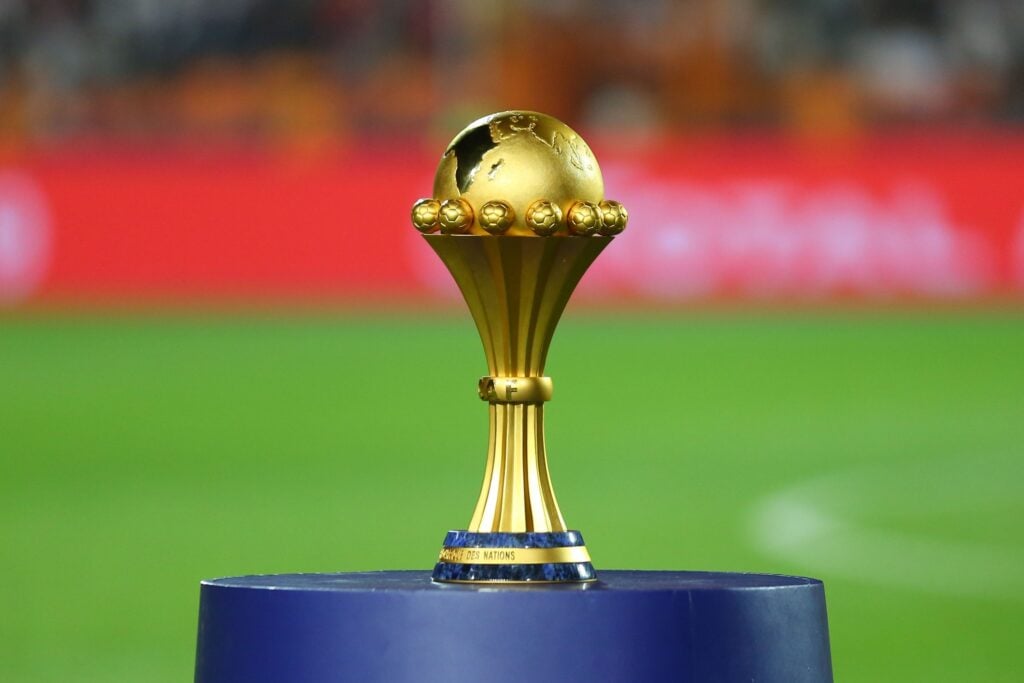
For Premier League clubs, this means AFCON-bound players will be available for the weekend fixtures of December 13-14, providing a crucial boost during one of the busiest periods of the English football calendar. Liverpool will retain Mohamed Salah for their December 13 home match against Brighton, Manchester City can field Omar Marmoush against Crystal Palace, and Sunderland’s seven AFCON participants will be available for the highly anticipated Wear-Tyne derby against Newcastle on December 14.
However, the timing creates complications for some clubs. Manchester United host Bournemouth on Monday, December 15, the exact date players must be released, creating uncertainty about whether Bryan Mbeumo, Amad Diallo, and Noussair Mazraoui will be available for selection. Manager Ruben Amorim now faces difficult decisions about team selection for a match that could see his African stars departing immediately after the final whistle.
FIFA’s Mediation Framework for Disputes
Recognizing that the condensed timeline could create friction between clubs and national federations, FIFA has established a comprehensive mediation framework to handle disputes. The world governing body’s statement outlined specific procedures for resolving conflicts over player release, demonstrating an understanding that the shortened preparation window might generate tensions.
FIFA determined that member associations participating in AFCON 2025 and clubs releasing players should be encouraged to hold bilateral discussions in good faith to find appropriate individual solutions. This represents FIFA’s first attempt at conflict resolution, placing responsibility on the parties involved to negotiate reasonable compromises before escalating matters to the governing body.
If disputes persist after bilateral discussions, FIFA will step in to mediate between clubs and national teams, applying guidelines that account for the specific circumstances of each case. The mediation process will consider several factors including the timing of matches in affected competitions, the stage of these competitions, the historical and planned involvement of players in the matches in question, and any other pertinent factors that might influence a fair resolution.
This mediation framework represents a significant intervention by FIFA in the club-versus-country debate that has plagued African football for decades. Previous AFCON editions witnessed numerous disputes, with some European clubs refusing to release players or delaying their departure until the last possible moment. FIFA’s explicit commitment to mediate provides a neutral arbiter with the authority to enforce solutions, potentially preventing the acrimonious standoffs that characterized past tournaments.
The guidelines also acknowledge the complexity of modern football schedules, recognizing that clubs releasing players during continental competitions deserve special consideration. For instance, clubs competing in the UEFA Champions League knockout rounds or domestic cup competitions might negotiate different arrangements based on the significance of upcoming fixtures.
The Tournament Context: AFCON 2025 in Morocco
The 35th edition of the Africa Cup of Nations will take place in Morocco from December 21, 2025, to January 18, 2026, marking the first time the continental championship will be played over the Christmas and New Year period. Twenty-four nations will compete across six groups, with matches held in six cities featuring nine stadiums throughout Morocco.
Host nation Morocco will kick off the tournament against Comoros at the Prince Moulay Abdellah Stadium in Rabat on December 21. The opening match provides Morocco with a significant advantage as they compete on home soil for only the second time since hosting the 1988 edition. The Atlas Lions enter as favorites, ranked first in Africa and 12th globally by FIFA, as they seek to end a 49-year trophy drought following their sole AFCON triumph in 1976.
The tournament format follows the structure established in 2019 when AFCON expanded from 16 to 24 teams. Each of the six groups contains four teams playing a single round-robin format. The top two teams from each group advance to the round of 16 automatically, joined by the four best third-placed teams based on points, goal difference, and other tiebreaking criteria.
From the round of 16 onward, the tournament proceeds as a straight knockout competition, with ties decided by extra time and penalty shootouts if necessary. The final will be played on January 18, 2026, at the Prince Moulay Abdellah Stadium in Rabat, the same venue hosting the opening match. The third-place playoff is scheduled for January 17 at Mohammed V Stadium in Casablanca.
Defending champions Ivory Coast will face stiff competition in their quest to retain the trophy. The Elephants produced a stunning comeback to defeat Nigeria in the 2024 final played in February after the tournament was delayed from its original January-February 2024 scheduling due to adverse weather conditions in the host country. Ivory Coast are drawn in Group F alongside five-time champions Cameroon, making it one of the tournament’s most competitive groups.
Other powerhouses include seven-time winners Egypt, featuring Liverpool’s Mohamed Salah as captain, drawn in Group B with South Africa, Angola, and Zimbabwe. Three-time champions Nigeria headline Group C alongside Tunisia, Uganda, and Tanzania. Senegal, who won their first AFCON title in 2021, anchor Group D with Democratic Republic of Congo, Benin, and Botswana.
Impact on Premier League and European Clubs
The December 15 release deadline creates significant disruption for clubs across Europe’s top leagues, particularly in England where the festive fixture schedule is notoriously congested. According to various reports, approximately 45 Premier League players could depart for AFCON 2025, affecting 17 of the league’s clubs to varying degrees.
Sunderland faces the most severe impact with seven AFCON-bound players, making them the Premier League’s biggest exporter to the tournament. The Black Cats’ impressive start to the season under Régis Le Bris has relied heavily on African talent, and their ability to maintain their push for promotion during the absence of these key players will test the squad’s depth. However, FIFA’s extended deadline ensures all seven will be available for the crucial Wear-Tyne derby on December 14.
Liverpool manager Arne Slot confirmed that Mohamed Salah will depart on December 15, meaning the Egyptian superstar will be available for four more matches: home to Sunderland, away to Leeds United, away to Inter Milan in the Champions League, and home to Brighton. Salah could potentially miss six to eight matches depending on Egypt’s progress, including crucial Premier League fixtures against Tottenham, Wolves, Leeds United, Fulham, Arsenal, and Burnley.
Slot experimented with life without Salah during Liverpool’s 2-0 victory over West Ham on December 1, resting the Egyptian and deploying Dominik Szoboszlai on the right wing. The trial run provided valuable preparation for the period when Salah will be with Egypt, though Liverpool will hope their talisman returns fit after his debilitating hamstring injury at the 2024 AFCON significantly impacted the club’s title challenge.
Manchester United face their own AFCON challenges with Bryan Mbeumo, Amad Diallo, and Noussair Mazraoui all expected to depart. Manager Ruben Amorim, already navigating United’s worst Premier League finish last season, will need to adjust tactics and rotations to cope with losing three key players during a critical stretch of fixtures including matches against Aston Villa, Newcastle, Wolves, Leeds, Burnley, and Manchester City.
Manchester City will be without Omar Marmoush and Rayan Ait-Nouri, though neither player has been consistently prominent in Pep Guardiola’s starting XI during the current campaign. Tottenham lose midfielders Pape Matar Sarr and Yves Bissouma but benefit from Ghana’s failure to qualify, meaning Mohammed Kudus remains available.
Wolverhampton Wanderers, currently struggling near the relegation zone, could lose up to five players to AFCON, creating severe squad depth issues during their battle to avoid the drop. Other affected clubs include Aston Villa, Bournemouth, Brighton, Crystal Palace, Everton, Fulham, Ipswich Town, Leicester City, Newcastle United, Nottingham Forest, and West Ham United.
In contrast, Arsenal, Chelsea, and Leeds United have no players participating in AFCON 2025, giving these clubs a unique competitive advantage during the tournament period. They can maintain squad continuity, rotate players freely, and build momentum while rivals cope with absences. This represents a significant strategic benefit, particularly for Arsenal and Chelsea as they compete for Champions League qualification and domestic trophies.
The African Perspective: Preparation Challenges
While European clubs celebrate the extended deadline, African national team coaches face significant challenges preparing for the tournament with only six days of full squad training before their opening matches. This compressed timeline represents a substantial reduction from the standard two-week preparation window FIFA regulations typically mandate for major international tournaments.
Morocco coach Walid Regragui and his counterparts across the continent must now develop accelerated training camps that maximize limited time together. Tactical work, team chemistry building, and match preparation that would normally occur over two weeks must be condensed into less than one week, potentially affecting team performance in the early group stage matches.
French news outlet L’Equipe reported growing frustration among African coaches about what they perceive as European club pressure on FIFA to delay player release as long as possible. Some coaches view the decision as evidence of the power imbalance between European club football and African international competitions, arguing that the European Club Association successfully lobbied FIFA to prioritize club interests over proper tournament preparation.
The situation becomes more complicated for players competing in leagues with fixtures scheduled between December 15 and December 21. Some African stars might arrive at training camps fatigued from travel and matches, with minimal recovery time before facing the physical demands of tournament football. Coaches must carefully manage player workloads during the brief preparation window to prevent injuries while ensuring competitive readiness.
For Morocco specifically, the situation presents unique complications. Despite being the host nation and tournament favorites, several Moroccan players compete for top European clubs who will retain them until December 15. Achraf Hakimi’s fitness and availability remains a concern following his injury sustained while playing for Paris Saint-Germain against Bayern Munich, and Regragui expressed confidence about Hakimi’s return during AFCON but acknowledged the uncertainty surrounding his recovery timeline.

Reports also emerged suggesting Moroccan goalkeeper Yassine Bounou might face difficulties joining the Atlas Lions for AFCON as his club, Al Hilal in Saudi Arabia, reportedly seeks to exempt him from the tournament. While some sources indicate Al Hilal could remove Bounou from its squad list this season to release him for AFCON, the situation highlights the ongoing tensions between clubs and national teams despite FIFA’s mediation framework.
Historical Context: The Club Versus Country Debate
The AFCON 2025 player release situation represents the latest chapter in football’s longstanding club-versus-country debate, a conflict particularly acute for African players whose continental championship traditionally falls outside FIFA’s international match calendar windows. Unlike UEFA’s European Championship or CONMEBOL’s Copa América, which are scheduled during summer when European leagues pause, AFCON has historically been held in January-February when European domestic competitions are in full swing.
This scheduling creates inherent friction. European clubs invest heavily in player salaries and development, viewing mid-season absences as disruptive to their sporting ambitions and financial interests. African national federations argue that players have obligations to represent their countries at the continent’s premier tournament, with AFCON holding enormous cultural and sporting significance throughout Africa.
Previous AFCON editions witnessed numerous disputes over player release. Some clubs delayed releasing players or claimed dubious injuries to prevent departures. Others pressured players to skip international duty, creating difficult choices between club loyalty and national pride. In extreme cases, clubs threatened contract disputes or reduced playing time for players who prioritized AFCON participation.
CAF’s decision to shift AFCON from January-February to June-July was intended to eliminate these conflicts by aligning the tournament with European summer breaks. The 2019 AFCON in Egypt successfully adopted this summer scheduling, but subsequent editions reverted to winter dates due to various factors including weather conditions and conflicts with other international tournaments.
The 2025 edition was originally planned for summer to minimize club impact, but FIFA’s expanded Club World Cup scheduled for June-July 2025 forced another rescheduling. The decision to play AFCON over Christmas and New Year represents the first time Africa’s flagship tournament occurs during this period, adding another layer of complexity to the club-country relationship.
FIFA’s December 15 deadline and mediation framework attempt to provide structure and fairness to this perennial conflict. By establishing clear release dates modeled on the 2022 World Cup protocol and offering mediation services for disputes, FIFA seeks to balance competing interests while acknowledging the legitimacy of both clubs’ and national teams’ concerns.
The Economic and Competitive Stakes
The financial and competitive implications of AFCON 2025 extend far beyond individual match results. For Premier League clubs navigating the title race, European qualification, or relegation battles, losing key players during December and January could determine season outcomes worth hundreds of millions of pounds in prize money, broadcasting revenue, and future transfer market positioning.
Liverpool’s title defense could hinge on how successfully they cope without Mohamed Salah, whose 29 goals and 18 assists were instrumental in their 2024-25 Premier League triumph. A slip in form during Salah’s absence might create an insurmountable gap to close after his return, particularly if rivals Arsenal and Chelsea capitalize on their full-strength squads during this period.
For clubs like Wolves fighting relegation, the loss of five players to AFCON could be catastrophic. Premier League survival is worth approximately £100 million when accounting for television revenue, parachute payments, and commercial considerations. Dropping points during this crucial period might ultimately determine whether clubs remain in English football’s top division.
The competitive imbalance created by AFCON participation also affects European competitions. Clubs competing in the Champions League, Europa League, and Conference League must balance domestic and continental commitments while managing squad rotation around player absences. Teams with minimal AFCON representation gain scheduling and selection advantages that could prove decisive in knockout rounds.
For African players themselves, AFCON represents opportunities for national glory, personal achievement, and enhanced reputation on the global stage. Strong tournament performances can lead to lucrative transfers, improved contract offers, and legendary status in their home countries. Players must weigh these opportunities against potential club frustrations and the physical toll of competing in tournaments immediately followed by return to intense domestic schedules.
African national federations face their own economic pressures. AFCON generates substantial revenue through broadcasting rights, sponsorships, ticket sales, and tourism. Morocco’s investment in tournament infrastructure and organization represents hundreds of millions of dollars aimed at showcasing the country’s capabilities ahead of co-hosting the 2030 FIFA World Cup. The success of AFCON 2025 has economic implications extending years beyond the tournament itself.
FIFA’s Broader Regulatory Role
FIFA’s intervention in AFCON 2025 player release reflects the organization’s evolving role as arbiter of football’s increasingly complex global ecosystem. The world governing body must balance diverse stakeholder interests including clubs, leagues, national federations, confederations, players, and commercial partners, each with legitimate concerns and significant financial stakes.
The mediation framework established for AFCON 2025 could set precedents for future international competitions. If FIFA’s approach successfully minimizes conflicts and produces generally acceptable outcomes, similar protocols might be applied to other continental championships, youth tournaments, and international friendly windows. Conversely, if disputes escalate despite mediation efforts, FIFA may need to reconsider its regulatory approach.
FIFA’s decision to reduce the release period by seven days, mirroring the 2022 World Cup precedent, suggests the organization views major tournaments differently than standard international windows. This distinction acknowledges the exceptional nature of continental championships while providing flexibility to accommodate unique circumstances like AFCON’s December scheduling.
The requirement for bilateral discussions before FIFA mediation encourages clubs and national federations to negotiate directly and find mutually acceptable solutions. This approach promotes cooperation and relationship building while reserving FIFA’s direct intervention for cases where parties cannot reach agreement independently. The strategy could strengthen long-term relationships between European clubs and African federations if implemented successfully.
However, critics argue that FIFA’s approach still favors European club interests over African football development. The seven-day reduction in preparation time, they contend, disproportionately affects African teams while providing minimal benefit to clubs who must release players eventually regardless. The power dynamics underlying these debates reflect broader questions about football’s governance, resource distribution, and whose interests receive priority in regulatory decision-making.
Looking Ahead: The Tournament and Its Aftermath
As December 15 approaches, clubs and national teams are finalizing their preparations for a month that will test squad depth, managerial adaptability, and player resilience across multiple competitions. The AFCON 2025 tournament promises compelling football featuring some of the world’s most talented players competing for continental supremacy.
Morocco enters as favorites on home soil, seeking to replicate their impressive 2022 World Cup semi-final run and end decades of AFCON disappointment. Egypt aims for a record-extending eighth title with Mohamed Salah hungry for international success to complement his glittering club career. Senegal, Ivory Coast, Nigeria, Algeria, and Cameroon all harbor realistic championship ambitions, setting up what could be one of the most competitive AFCON editions in recent history.
For participating players, AFCON represents more than football competition. It embodies national pride, cultural identity, and connection to continental heritage. The tournament showcases African talent to global audiences, celebrates the diversity and quality of African football, and provides a platform for players to inspire future generations across the continent.
The tournament’s impact will reverberate beyond the January 18 final. Returning players must quickly reintegrate into club environments, potentially carrying physical fatigue, minor injuries, or emotional exhaustion from intensive tournament football. Clubs eliminated early from AFCON may benefit from fresher players, while those reaching latter stages could struggle with fixture congestion upon return.
FIFA’s mediation framework will face its first real test when inevitable disputes arise. How effectively the organization handles conflicts, whether clubs and national teams engage in good faith negotiations, and what precedents emerge from specific cases will shape international football’s regulatory landscape for years to come.
As African football continues growing in prominence and economic value, the club-versus-country tensions surrounding AFCON will persist until more permanent solutions address underlying scheduling conflicts. Whether that involves calendar restructuring, compensation mechanisms for releasing clubs, or other innovative approaches remains an open question that football’s stakeholders must eventually answer.
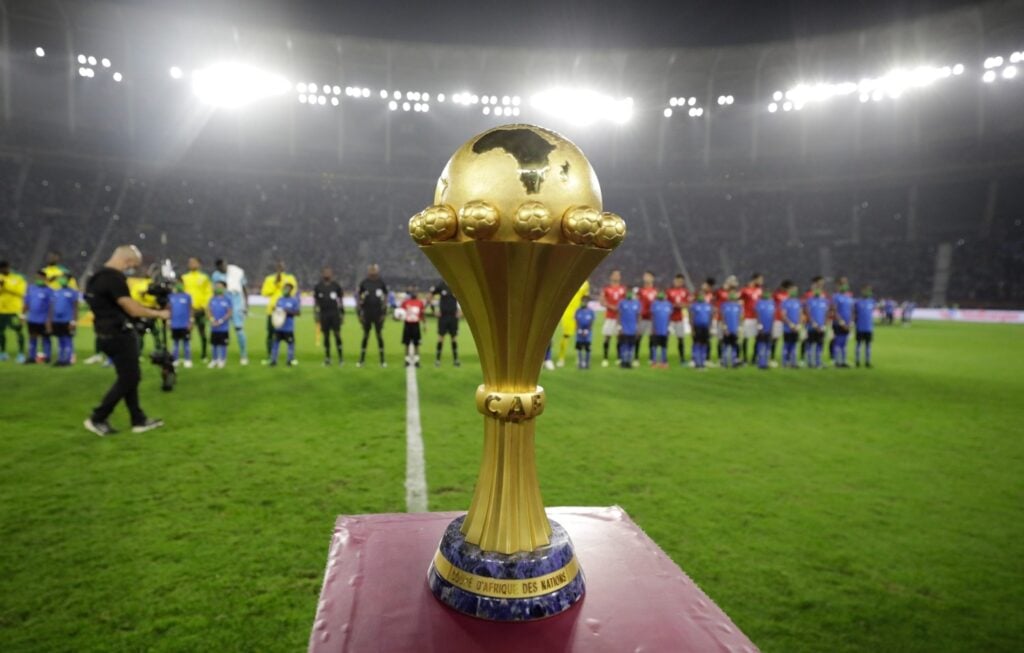
For now, all parties await December 15, when players will depart for Morocco and AFCON 2025 begins in earnest, bringing joy to supporters, challenges to managers, and unforgettable moments to Africa’s greatest football stage.
Read More: Erling Haaland Becomes Fastest Player to Score 100 Premier League Goals in Just 111 Games