
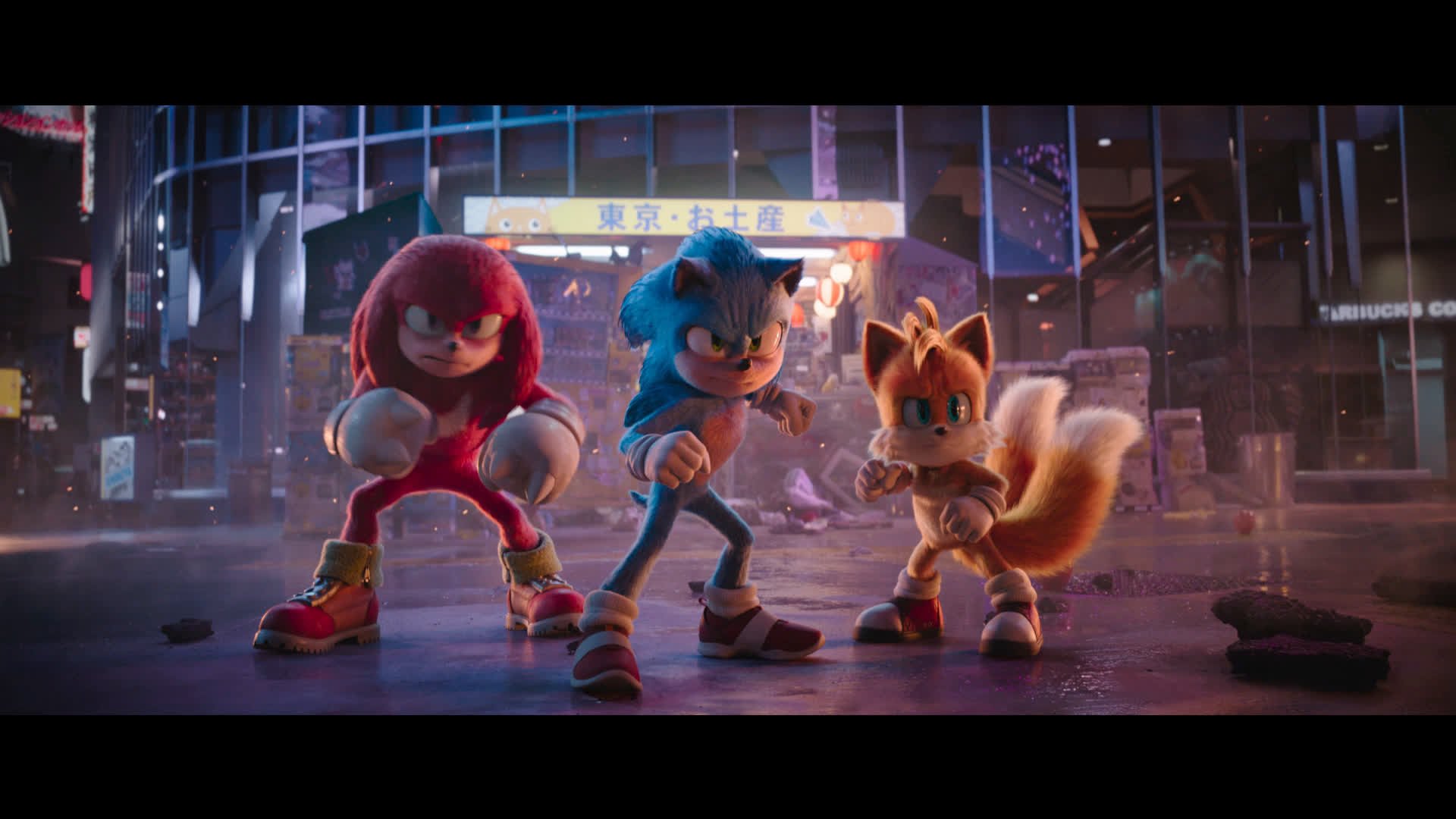
Paramount Pictures has officially staked its claim on the 2028 holiday box office with two major franchise announcements that are set to excite fans of family entertainment worldwide. The studio revealed release dates for both an untitled Sonic Universe Event Film and a brand-new live-action Teenage Mutant Ninja Turtles movie, signaling aggressive expansion plans for two of its most valuable entertainment properties.
On December 2, 2025, Paramount added these highly anticipated projects to its release calendar, with the Teenage Mutant Ninja Turtles film arriving first on November 17, 2028, followed by the Sonic spinoff on December 22, 2028. The announcements come at a time when both franchises are experiencing significant commercial success and renewed audience interest across multiple platforms.
The decision to schedule both releases within weeks of each other during the lucrative holiday season demonstrates Paramount’s confidence in these properties and its strategy to dominate family entertainment during one of the most competitive periods at the box office. With the success of recent entries in both franchises, the studio is betting big on their continued appeal to multigenerational audiences.
Table of Contents
Sonic Universe Event Film: Expanding Beyond the Blue Blur
The mysterious Sonic Universe Event Film represents Paramount’s fifth theatrical entry into the world of Sega’s iconic video game franchise. What makes this project particularly intriguing is that it’s described specifically as a spinoff rather than a direct sequel, setting it apart from the already-scheduled Sonic the Hedgehog 4, which is planned for release on March 19, 2027.
Details about the Sonic spinoff remain tightly under wraps, with Paramount keeping plot specifics and character focus completely confidential. However, the designation as a “Sonic Universe Event Film” strongly suggests this won’t be a traditional narrative following Sonic’s adventures, but rather an expansion of the larger world and supporting cast that has been carefully built across three blockbuster films.
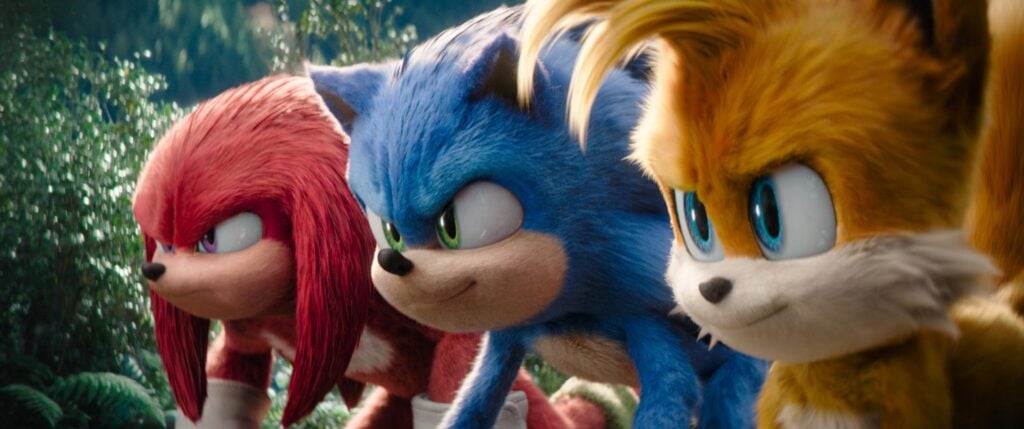
Industry speculation has immediately centered on Shadow the Hedgehog as the most likely candidate for a solo spinoff adventure. The character, voiced by Keanu Reeves, made his franchise debut in Sonic the Hedgehog 3, which was released on December 20, 2024, and quickly became a fan favorite. Shadow’s complex backstory, antihero status, and the star power of Reeves behind the microphone make him an ideal choice for a standalone feature that could explore darker, more mature themes while remaining family-friendly.
Another strong possibility is Miles “Tails” Prower, voiced by Colleen O’Shaughnessey, who has been a beloved sidekick throughout the film series. Much of Tails’ backstory was relegated to brief exposition in previous films, leaving substantial narrative territory to explore. A Tails-focused spinoff could delve into his origins, his experiences being bullied for his twin tails, and his journey from outcast to hero, providing a full-circle character arc that resonates with younger audiences.
The Knuckles option also remains on the table, though the character already received significant spotlight treatment in the Paramount Plus streaming series that debuted in 2024. That six-episode series, starring Idris Elba reprising his role as the red echidna warrior, explored Knuckles adapting to life on Earth. However, the success of that series could justify bringing Knuckles’ story back to the theatrical format with higher production values and a more expansive narrative.
What seems clear is that Paramount is taking inspiration from successful franchise-building strategies employed by Marvel Studios and other cinematic universes. By creating spinoffs that explore supporting characters in depth, the studio can expand its Sonic universe while keeping the main numbered sequels focused on the core trio of Sonic, Tails, and Knuckles together.
The Sonic Franchise’s Remarkable Box Office Success
The confidence behind this spinoff announcement is firmly rooted in the franchise’s extraordinary commercial performance. The first three Sonic films have collectively surpassed one billion dollars at the worldwide box office, establishing the property as one of the most successful video game adaptations in cinema history.
Sonic the Hedgehog 3, in particular, has exceeded expectations since its December 2024 release. The film grossed approximately 492 million dollars worldwide against a production budget of just 122 million dollars, making it the highest-grossing installment in the franchise to date. It opened with 60.1 million dollars domestically in its first weekend, marking the second-best opening in the series behind Sonic the Hedgehog 2’s 72.1 million dollar debut.
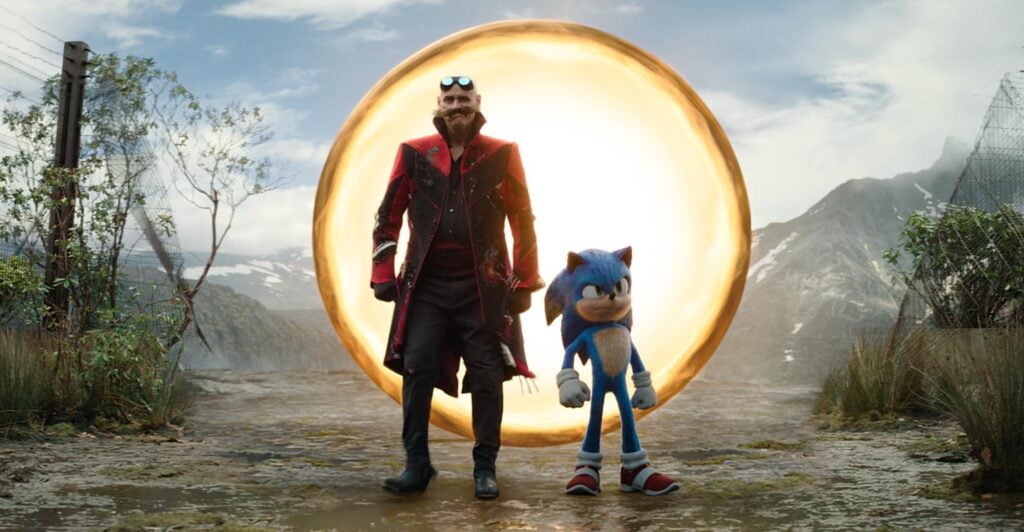
The third film’s success was driven by several factors, including the highly anticipated introduction of Shadow the Hedgehog and the return of Jim Carrey in a dual role as both Dr. Ivo Robotnik and his grandfather, Professor Gerald Robotnik. Critics praised the performances, particularly highlighting Carrey’s comedic energy and Keanu Reeves’ voice work as Shadow, which brought gravitas and emotional depth to the character.
Beyond theatrical success, the Sonic franchise has proven its staying power across multiple media platforms. The Knuckles streaming series demonstrated that audiences have appetite for expanded universe content, while various animated shorts and special presentations have kept fans engaged between major releases. This multimedia approach has created a robust ecosystem that supports continued franchise growth.
The franchise’s appeal spans multiple demographics, from young children discovering Sonic for the first time to adult fans who grew up playing Sega Genesis games in the 1990s. This multigenerational appeal makes Sonic properties particularly valuable to Paramount, as they can draw entire families to theaters rather than targeting narrow age demographics.
Neal H. Moritz: The Producer Behind Both Franchises
One of the most significant aspects of these announcements is that Neal H. Moritz, the veteran producer who has shepherded the Sonic films to their current success, is also taking the helm on the new Teenage Mutant Ninja Turtles live-action project. Moritz, working through his Original Films banner alongside producer Toby Ascher, brings a proven track record of transforming beloved properties into box office juggernauts.
Moritz is perhaps best known for producing the Fast and Furious franchise, which has generated over six billion dollars at the worldwide box office across multiple installments. His ability to maintain franchise momentum, expand universes, and deliver crowd-pleasing spectacle while managing massive budgets makes him an ideal choice to revitalize the Turtles for a new generation.
The producer’s involvement signals Paramount’s intention to apply the successful “Sonic formula” to the Teenage Mutant Ninja Turtles. This approach emphasizes family-friendly entertainment that balances humor, heart, and spectacular action sequences. It respects source material while updating it for contemporary audiences, and it features strong character development alongside visual effects that bring fantastical creatures to life in believable ways.
Moritz’s track record with the Sonic franchise specifically demonstrates his understanding of how to adapt video game properties for cinema. Video game movies have historically struggled at the box office, with many failing to connect with audiences or critics. The Sonic films broke that curse by prioritizing character relationships, emotional stakes, and genuine humor over mere fan service or effects spectacle.
The producer’s comments about the billion-dollar Sonic milestone reflect his approach to franchise stewardship. He emphasized that these films are made “for the fans,” and that “their passion, support and love for these characters is what drives us every day to continue creating the fast, funny, and action-packed stories that make up the ever-expanding Sonic Universe.” This fan-first philosophy will presumably guide his work on the Turtles reboot as well.
Teenage Mutant Ninja Turtles: A Fresh Start for the Heroes in a Half Shell
The new Teenage Mutant Ninja Turtles film will mark the franchise’s first live-action theatrical release since 2016’s Teenage Mutant Ninja Turtles: Out of the Shadows, which was the sequel to the Michael Bay-produced 2014 reboot. That film underperformed both critically and commercially, grossing just 246 million dollars worldwide despite featuring popular characters like Bebop, Rocksteady, and Krang.
The disappointing performance of Out of the Shadows effectively halted live-action development for nearly a decade, with Paramount instead focusing on animated approaches to the property. This strategy paid off handsomely with 2023’s Teenage Mutant Ninja Turtles: Mutant Mayhem, written by Seth Rogen and Evan Goldberg, which grossed 180.5 million dollars worldwide and earned widespread critical acclaim for its unique animation style and heartfelt storytelling.
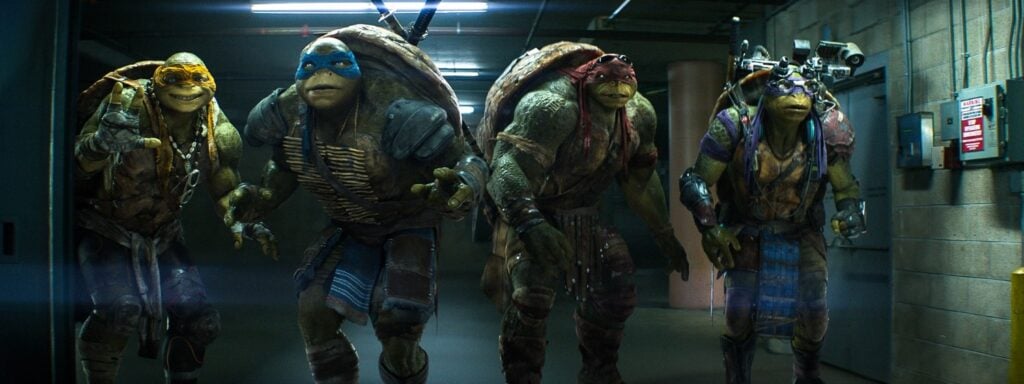
The new 2028 film is being developed as a live-action and CGI animation hybrid, similar to the approach used in the Sonic movies. This format combines the tactile reality of live-action environments and human characters with computer-generated heroes, allowing filmmakers to create expressive, dynamic action sequences while maintaining visual believability. The technique has proven successful not only for Sonic but also for properties like the Paddington films and Peter Rabbit.
Paramount’s vision for the new Turtles film is explicitly family-friendly, targeting the same broad demographic that has embraced the Sonic franchise. The studio wants to reintroduce Leonardo, Donatello, Raphael, and Michelangelo to audiences in a way that honors their legacy while feeling fresh and contemporary. This approach stands in stark contrast to another project that was in development at the studio.
The Last Ronin: The R-Rated Film That Was Shelved
Perhaps the most controversial aspect of this announcement is what it means for another Teenage Mutant Ninja Turtles project that had been generating significant fan excitement. Paramount has officially shelved development on Teenage Mutant Ninja Turtles: The Last Ronin, an R-rated adaptation of the acclaimed IDW comic book series.
The Last Ronin, written by TMNT co-creator Kevin Eastman and Tom Waltz, is set in a dark dystopian future where three of the four turtle brothers have been killed by the grandson of their arch-nemesis Shredder. The sole surviving turtle, whose identity is gradually revealed through the narrative, embarks on a brutal quest for vengeance. The comic series became one of IDW’s best-selling titles, resonating with adult fans who had grown up with the Turtles and wanted more mature storytelling.
Paramount had announced The Last Ronin as a live-action feature in April 2024, with Nobody filmmaker Ilya Naishuller in talks to direct. The project was being developed by former Warner Bros. executive Walter Hamada and screenwriter Tyler Burton Smith, with plans for an R-rating that would allow for the violent, emotionally intense story the source material demands. Fans were extremely excited about the prospect of a Turtles film that didn’t pull punches and could explore genuinely dark themes.
However, sources indicate that Paramount’s new management regime wasn’t comfortable having the first live-action Turtles film in over a decade be an adults-only affair. The studio reportedly wants to establish a successful family-friendly foundation for the franchise before potentially revisiting more mature content. One insider suggested that Paramount “wants to leave the door open to possibly revisit it down the road,” but such a project would not be developed anytime soon.
The decision to shelve The Last Ronin has disappointed many fans who saw it as an opportunity to finally get a Turtles film that matched the darker tone of the original 1984 comic books. The franchise, created by Kevin Eastman and Peter Laird, began as a gritty independent comic with considerably more violence and mature themes than the kid-friendly animated series that made the Turtles a cultural phenomenon in the late 1980s and early 1990s.
Industry observers have noted parallels to other comic book adaptations that successfully targeted adult audiences, such as Logan, which earned 619 million dollars worldwide despite its R-rating and dark subject matter. The success of that film and others like Deadpool demonstrated that superhero and action properties could thrive with mature ratings when the content justified it. Many fans believed The Last Ronin could achieve similar success.
Nevertheless, Paramount’s decision makes strategic business sense. The studio wants to follow the Sonic model of building a broad audience base with family entertainment before potentially fragmenting that audience with specialized content for specific demographics. A successful family-friendly Turtles franchise could eventually support more diverse storytelling approaches, including mature content, once the property has been re-established in the cultural consciousness.
The Turtles Franchise: Enduring Pop Culture Icons
The Teenage Mutant Ninja Turtles have been entertaining audiences for over four decades since their 1984 comic book debut. The franchise has spawned numerous animated television series, seven feature films, extensive toy lines, video games, and countless other merchandise, generating over 1.35 billion dollars at the global box office across all theatrical releases.
The property’s first major breakthrough came with the 1987 animated series, which softened the comic’s darker edges and introduced the color-coded masks that became iconic (Leonardo’s blue, Raphael’s red, Donatello’s purple, and Michelangelo’s orange). This version emphasized the Turtles as fun-loving teenagers who happened to be martial arts experts, establishing the “pizza-eating party dudes” characterization that defined the franchise for a generation.
The 1990 live-action film, produced independently and featuring Jim Henson’s Creature Shop creating practical turtle suits, became a surprise blockbuster, earning 202 million dollars worldwide on just a 13 million dollar budget. At the time, it was the highest-grossing independent film in cinema history. Two sequels followed, though diminishing returns and fading “Turtlemania” ended that initial live-action run in 1993.
After a decade-long absence from live-action, the Turtles returned in 2014 with Michael Bay producing a reboot that featured fully CGI turtles for the first time. Despite controversy over character designs and storytelling choices, the film earned 485 million dollars worldwide. However, the 2016 sequel Out of the Shadows failed to maintain momentum, leading to the current reboot under Neal H. Moritz’s leadership.
The recent success of Mutant Mayhem demonstrated that audiences still have tremendous affection for these characters when they’re presented in fresh, innovative ways. The film’s unique spider-verse-inspired animation style, coming-of-age themes, and focus on the Turtles as actual teenagers navigating both ninja adventures and adolescent insecurity resonated with critics and audiences alike. A sequel, Mutant Mayhem 2, is scheduled for September 17, 2027.
Strategic Release Date Analysis
The selection of November 17, 2028 for the Teenage Mutant Ninja Turtles release date and December 22, 2028 for the Sonic spinoff release date represents calculated positioning within the holiday box office landscape. These dates place both films in prime position to capture family audiences during the most lucrative moviegoing period of the year.
The Turtles film arrives in mid-November, traditionally a strong corridor for family entertainment that allows films to build momentum through Thanksgiving and into December. This positioning gives the film several weeks to establish itself before facing increased competition during the Christmas frame. The strategy mirrors successful November launches like Disney’s Frozen franchise and various Pixar releases.
The Sonic spinoff follows five weeks later, arriving just before Christmas when schools are closed and families are actively seeking entertainment options. This date has historically proven successful for family films, from Disney animated features to the Sonic films themselves. Sonic the Hedgehog 3 utilized a December 20, 2024 release date to great effect, capitalizing on the extended holiday period.
By spacing the releases five weeks apart, Paramount reduces direct cannibalization while maintaining a consistent presence in the family entertainment space throughout the crucial November-December corridor. Each film can serve as counter-programming for audiences who have already seen the other, potentially driving overall box office performance for both properties.
The 2028 timeframe also provides ample production time for both projects. With announcements coming in late 2025, filmmakers have approximately three years for script development, pre-production, principal photography, and extensive post-production work. Given the heavy reliance on CGI characters and effects in both franchises, this timeline is appropriate for achieving the quality standards audiences now expect.
Expanding Cinematic Universes: The New Franchise Model
Both the Sonic spinoff and the new Turtles film reflect broader industry trends toward building interconnected cinematic universes rather than standalone film series. This approach, popularized by Marvel Studios’ unprecedented success, allows studios to maximize intellectual property value by creating multiple entry points and revenue streams within a single franchise ecosystem.
For the Sonic franchise, this universe-building is already well underway. The main numbered sequels tell Sonic’s core story, while the Knuckles streaming series explored supporting characters in episodic format, and the upcoming spinoff film will presumably focus on other beloved characters from the extensive video game catalogue. This multi-pronged approach keeps the franchise visible in multiple media spaces simultaneously, maintaining audience engagement between major theatrical releases.
The Teenage Mutant Ninja Turtles franchise offers similar expansion opportunities. The core four turtle brothers provide built-in sequel potential, while supporting characters like April O’Neil, Casey Jones, Master Splinter, and the vast rogues gallery of villains offer numerous spinoff possibilities. The property’s success across animation and live-action formats also allows Paramount to develop simultaneous projects targeting different demographics, much like Sony’s approach with Spider-Man.
The risk inherent in this universe-building strategy is franchise fatigue, where audiences tire of seeing the same characters and worlds repeatedly. Studios must balance consistent presence with giving franchises time to breathe, ensuring that each new entry feels like an event rather than an obligation. The three-year gap between Sonic 4 in 2027 and the spinoff in 2028 suggests Paramount is mindful of not oversaturating the market.
Another challenge is maintaining quality across expanded universes. As franchises grow, creative control becomes distributed among multiple directors, writers, and production teams. Ensuring consistent tone, characterization, and quality standards while allowing individual films their own identity requires careful oversight. Neal H. Moritz’s role as producer across both announced 2028 releases suggests Paramount recognizes the importance of unified creative vision.
The Future of Video Game Adaptations in Cinema
The Sonic franchise’s success represents a broader renaissance for video game adaptations in Hollywood. For decades, video game movies were considered box office poison, with properties like Super Mario Bros., Street Fighter, and countless others failing to capture what made their source material compelling. The tide began turning with films like Detective Pikachu and especially 2023’s The Super Mario Bros. Movie, which earned 1.36 billion dollars worldwide.
These successes demonstrated that video game adaptations could work when filmmakers prioritized character development and emotional storytelling over merely recreating gameplay mechanics on screen. The best video game movies understand that what makes games engaging—player agency, progression systems, reward loops—doesn’t automatically translate to passive viewing experiences. Instead, successful adaptations identify the core emotional appeal of their source material and build cinematic narratives around those themes.
The Sonic films achieved this by focusing on Sonic’s loneliness and desire for connection rather than just his speed. The first film’s “buddy cop” dynamic between Sonic and Tom Wachowski grounded the fantastical premise in recognizable human emotions. Subsequent films deepened these themes while introducing new characters and relationships, creating a narrative tapestry that feels cinematic rather than merely adapted from games.
The Teenage Mutant Ninja Turtles franchise, while originating as a comic book rather than a video game, has followed similar principles in its most successful iterations. The property works best when emphasizing the brotherhood between the four turtles, their found family relationship with Splinter, and their struggle to find belonging in a world that sees them as monsters. These universal themes transcend the property’s origins.
As more video game adaptations enter development across Hollywood—including projects based on The Legend of Zelda, Mass Effect, Ghost of Tsushima, and countless others—the lessons learned from successful franchises like Sonic will guide creative approaches. The 2028 Sonic spinoff and its reception will likely influence how studios think about expanding video game properties beyond their central characters and narratives.
| Category | Sonic Franchise | Teenage Mutant Ninja Turtles |
|---|---|---|
| Worldwide Box Office | $1+ billion (3 films) | $1.35+ billion (7 films) |
| Last Live-Action Film | Sonic 3 (December 2024) | Out of the Shadows (2016) |
| 2028 Release Date | December 22, 2028 (spinoff) | November 17, 2028 (reboot) |
| Producer | Neal H. Moritz | Neal H. Moritz |
| Format | Live-action/CGI hybrid | Live-action/CGI hybrid |
| Target Audience | Family-friendly (PG) | Family-friendly (PG) |
| Next Scheduled Release | Sonic 4 (March 19, 2027) | Mutant Mayhem 2 (Sept. 17, 2027) |
What This Means for Paramount’s Future
These announcements signal Paramount’s commitment to franchise filmmaking and family entertainment as core pillars of its theatrical strategy. In an era where streaming has fundamentally altered the entertainment landscape, studios are increasingly focused on event films that justify theatrical exhibition—properties with built-in audiences, high production values, and communal viewing appeal that home viewing cannot replicate.
For Paramount specifically, both the Sonic and Teenage Mutant Ninja Turtles franchises represent rare wholly-owned intellectual properties with proven commercial appeal across multiple demographics. Unlike licensed properties where profits must be shared with rights holders, or director-driven original films with uncertain box office prospects, these franchises offer predictable revenue streams with substantial upside potential.
The studio’s 2024-2025 slate has been dominated by franchise plays and IP-driven content, from Top Gun: Maverick becoming their highest-grossing film ever at 1.49 billion dollars worldwide to the successful launch of Sonic 3. By doubling down on Sonic and Turtles for 2028, Paramount is betting that family franchises will remain theatrical draws even as the broader industry continues evolving.
This strategy also positions Paramount competitively against other studios with strong family entertainment portfolios. Disney and Universal have historically dominated this space with their animation studios and established properties. Paramount’s success with Sonic and the potential revival of Turtles give the studio competitive weapons in this lucrative market segment.
The November-December 2028 corridor will be intensely competitive, with every major studio likely targeting the holiday season. Paramount’s early date-staking demonstrates confidence that both properties can hold their own against whatever competition emerges. The studio is essentially declaring that Sonic and Turtles are tentpole-level franchises worthy of premium release dates and maximum marketing support.
FAQs
When is the Sonic spinoff release date?
The Sonic Universe Event Film has been scheduled for release on December 22, 2028. This spinoff is separate from Sonic the Hedgehog 4, which is planned for March 19, 2027, and represents the franchise’s fifth theatrical entry. Paramount has not revealed plot details or which characters will be featured, but industry speculation suggests Shadow the Hedgehog or Tails could be the focus of this standalone adventure.
When is the Teenage Mutant Ninja Turtles release date?
The new live-action Teenage Mutant Ninja Turtles film is scheduled to release on November 17, 2028. This will be the first live-action theatrical release for the franchise since 2016’s Out of the Shadows. The film is being produced by Neal H. Moritz and will be a family-friendly live-action/CGI hybrid featuring Leonardo, Donatello, Raphael, and Michelangelo.
What happened to The Last Ronin R-rated Teenage Mutant Ninja Turtles movie?
Paramount has shelved development on The Last Ronin, an R-rated adaptation of the darker comic book series. The studio decided it didn’t want the first live-action Turtles film in over a decade to be an adults-only affair, preferring instead to establish a family-friendly foundation with the Neal H. Moritz-produced reboot. Sources indicate Paramount may revisit The Last Ronin in the future but has no immediate plans to develop it.
Who is producing both the Sonic spinoff and new Turtles movie?
Neal H. Moritz, the veteran producer behind the Fast and Furious franchise and the successful Sonic the Hedgehog trilogy, is producing both films. Working through his Original Films banner with producer Toby Ascher, Moritz is tasked with applying the successful “Sonic formula” to the Teenage Mutant Ninja Turtles franchise, emphasizing family-friendly entertainment with heart, humor, and spectacular action sequences.
Why are both films being released so close together in 2028?
Paramount strategically scheduled both releases during the lucrative November-December holiday corridor when families actively seek entertainment options. The Teenage Mutant Ninja Turtles film arrives first on November 17, allowing it to build momentum through Thanksgiving, while the Sonic spinoff releases five weeks later on December 22, capitalizing on the Christmas holiday period. This spacing reduces direct competition between the films while maintaining Paramount’s presence in family entertainment throughout the holiday season.