


Samsung faces unprecedented production costs for the Galaxy S26 Ultra, with the Snapdragon 8 Elite Gen 5 chipset alone expected to cost $280—accounting for 46% of the phone’s estimated $613 bill of materials (BOM). Add TSMC’s 8-10% price hikes and Qualcomm’s $16.25 royalty per device, and the Korean giant’s profit margins face serious pressure.
Table of Contents
Galaxy S26 Ultra Cost Breakdown
| Component | Cost | % of BOM |
|---|---|---|
| Snapdragon 8 Elite Gen 5 | $280 | 46% |
| Qualcomm Royalty Fee | $16.25 | Per unit |
| Remaining Components | $333 | 54% |
| Total BOM (Estimated) | $613 | 100% |
Note: TSMC’s upcoming price hikes may push chip costs even higher before launch.
For more smartphone technology news, follow TechnoSports daily.
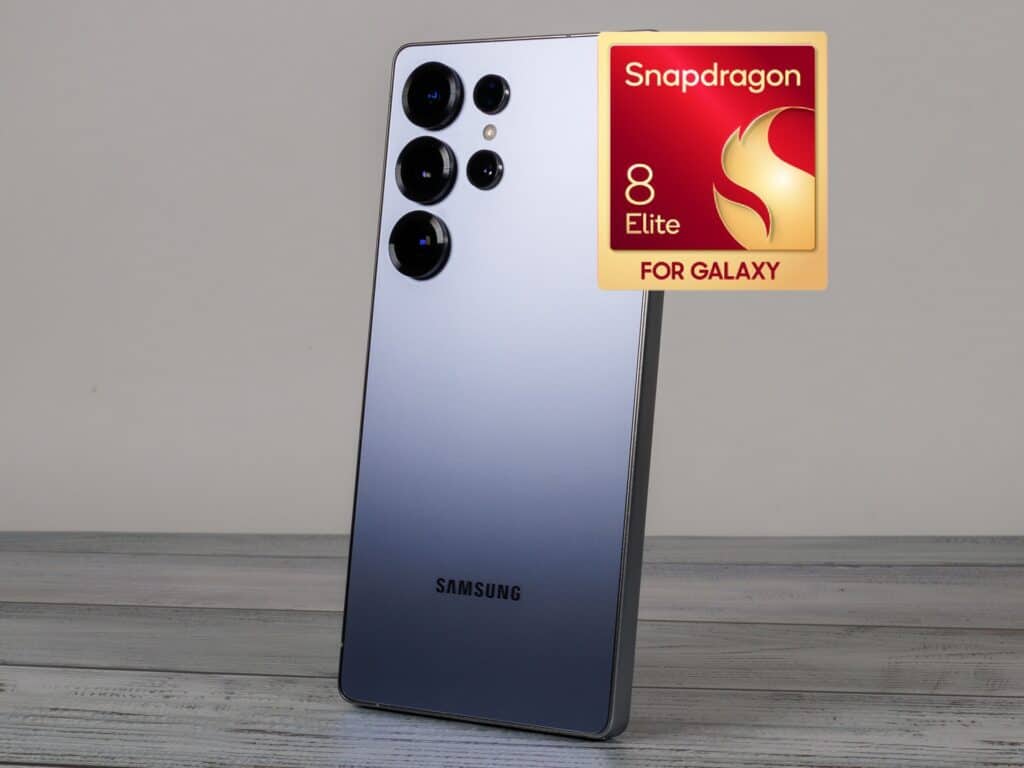
Why Costs Are Skyrocketing
TSMC’s Price Hikes: The chipmaker informed major clients of 8-10% increases for sub-5nm fabrication processes effective 2026, directly impacting Snapdragon 8 Elite Gen 5 pricing.
Qualcomm’s Licensing Stranglehold: Samsung’s 2022 patent agreement extends through 2030, locking the company into $16.25 royalties per smartphone. In H1 2025 alone, Qualcomm netted $365 million from 22.5 million Galaxy S25 devices sold.
RAM & Storage Inflation: Mobile DRAM prices rose 12% compared to last year’s average, while camera modules increased 8%—both critical components in flagship smartphones.
Expected Retail Pricing
Despite ballooning production costs, Samsung will likely maintain competitive pricing:
| Model | Expected Price |
|---|---|
| Galaxy S26 | $799 (base) |
| Galaxy S26 Plus | $999 |
| Galaxy S26 Ultra | $1,299-1,399 |
However, the Ultra model could see a $100 price bump to $1,399, making it the most expensive Galaxy S flagship yet.
For tech reviews and buying guides, check our smartphone section.
Qualcomm’s Golden Goose
Samsung’s multi-year, multi-region agreement signed in 2024 guarantees Qualcomm access to its latest Snapdragon flagship chips. This partnership, while ensuring cutting-edge performance, creates financial dependency Samsung struggles to escape despite Exynos improvements.
The Numbers Game:
- 22.5M Galaxy S25 units sold (H1 2025)
- $365M earned by Qualcomm via royalties alone
- $16.25 per device licensing fee
- Agreement extends through 2030
Launch Timeline Update
| Milestone | Date |
|---|---|
| Production Start | December 2025 (Ultra priority) |
| Official Launch | Late January 2026 |
| Market Availability | Mid-February 2026 |
Samsung prioritizes Ultra production to maximize profit margins before scaling to base and Plus models in January 2026.

What You’re Paying For
The Galaxy S26 Ultra justifies its premium with:
Hardware Upgrades:
- Snapdragon 8 Elite Gen 5 (3nm process)
- 5,500mAh battery with 60W fast charging
- Enhanced 200MP main camera (1/1.1-inch Sony sensor)
- Privacy display technology
- Full Qi2 magnetic wireless charging
Software Innovation:
- Galaxy AI 2.0 with on-device processing
- Real-time translation improvements
- Advanced photo remastering
- Voice cloning capabilities
For comprehensive mobile gaming and tech analysis, explore TechnoSports.
The Exynos Exception
While the S26 Ultra uses Snapdragon globally, base and Plus models may feature Samsung’s Exynos 2600 (2nm GAA process) in select regions—primarily Europe. This dual-chip strategy aims to reduce costs but creates performance disparities across markets.
Exynos 2600 Challenges:
- Current yield rate: 30% (target: 60% for mass production)
- Manufacturing on 2nm GAA technology
- Design completion deadline: Q3 2025
- European markets likely recipients
Investment Perspective
For Early Adopters: Expect cutting-edge specs but prepare for potential $100 price increase. The Ultra remains Samsung’s most capable smartphone.
For Budget-Conscious Buyers: Wait until March 2026 for discounted Galaxy S25 Ultra or consider base S26 models launching later.
For Tech Enthusiasts: The $280 chip investment delivers industry-leading performance, but whether that justifies flagship pricing depends on individual priorities.
The Bottom Line
Samsung’s $280-per-chip expenditure on Galaxy S26 Ultra reflects the escalating cost of premium smartphone manufacturing. Combined with Qualcomm royalties and component inflation, the company faces a profitability squeeze—likely passed to consumers through higher retail prices.
Track official announcements on Samsung’s website and stay updated with daily tech news at TechnoSports!
Disclaimer: Pricing and specifications are based on industry reports and leaks. Official details await Samsung’s January 2026 launch event.